Have you been lifting the same weight for months at the gym?
Many people track their protein carefully, yet their workout performance stays stuck.
Pre-workout creatine is a compound that supports energy production in muscle cells and may help maintain the strength needed to repeat high-intensity strength training.
But it’s easy to get confused about when and how to take creatine.
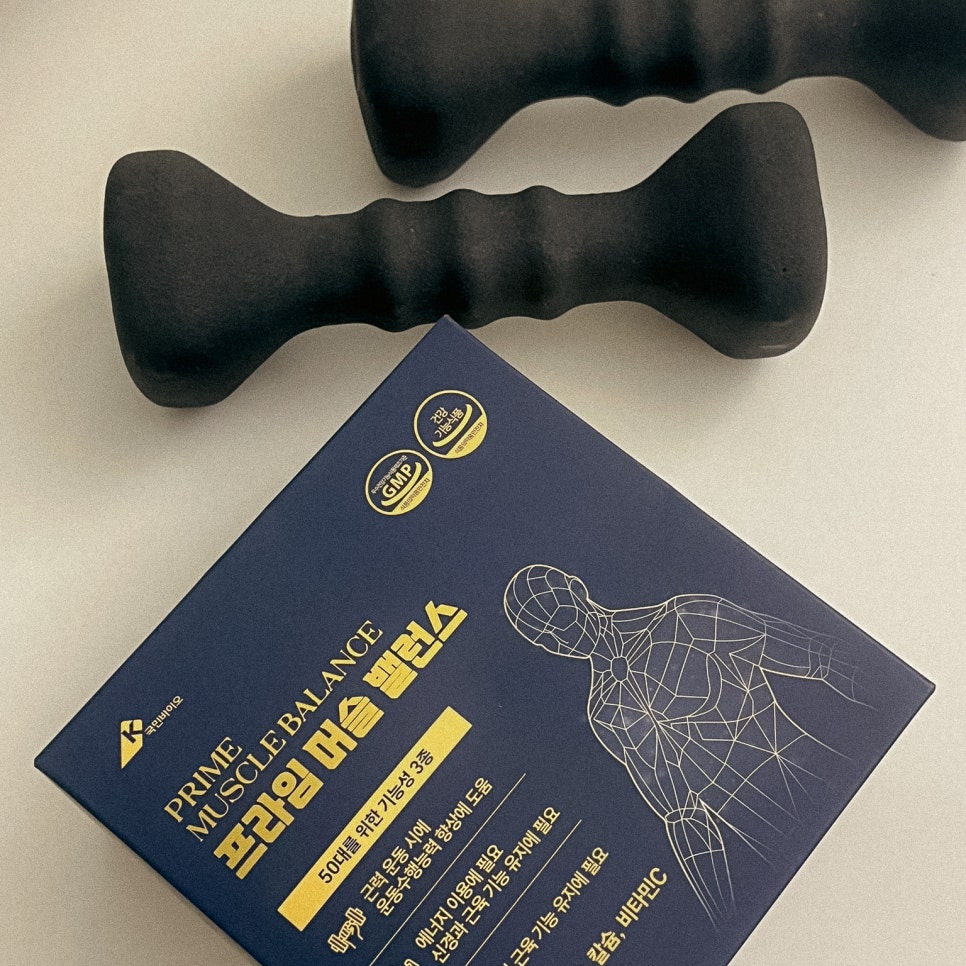
As I got more into working out, I started researching nutrition and supplements one by one.
And one of the most common recommendations I came across was pre-workout creatine.
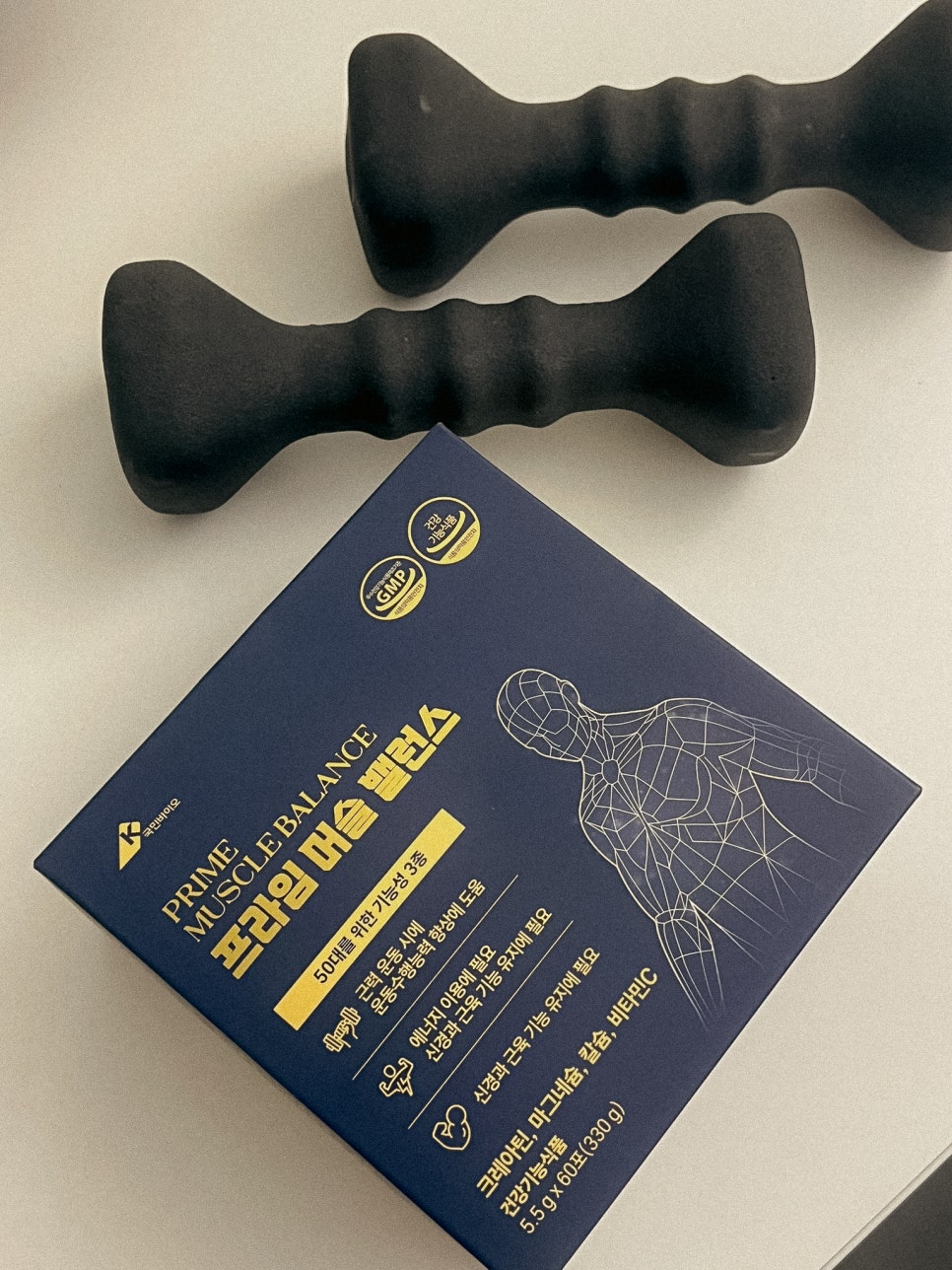
In this post, I’ll cover why pre-workout creatine is worth taking, the synergy it creates when paired with protein, and share my hands-on review of Kookmin Bio’s Prime Muscle Balance.
Why Should You Take Pre-Workout Creatine?
To put it simply, creatine helps replenish the energy your muscles need during repeated strength training, which is why pre-workout creatine may help.
Creatine is a compound that supports energy production in muscle cells and is used during high-intensity, repetitive exercise.
Most of the creatine in your body is stored in skeletal muscle, and it can also be obtained from foods like meat and fish.
However, it’s not easy to get enough from food alone, so people who work out regularly often turn to supplements as well.

✔ Creatine isn’t something that works right after you take it — what matters more is taking it consistently every day to maintain your muscle stores.
✔ So there’s no need to stick strictly to taking it before a workout — the key is fitting it into your daily routine.
That’s why it’s widely used not only by weightlifters, but also by anyone doing high-intensity, repetitive training.
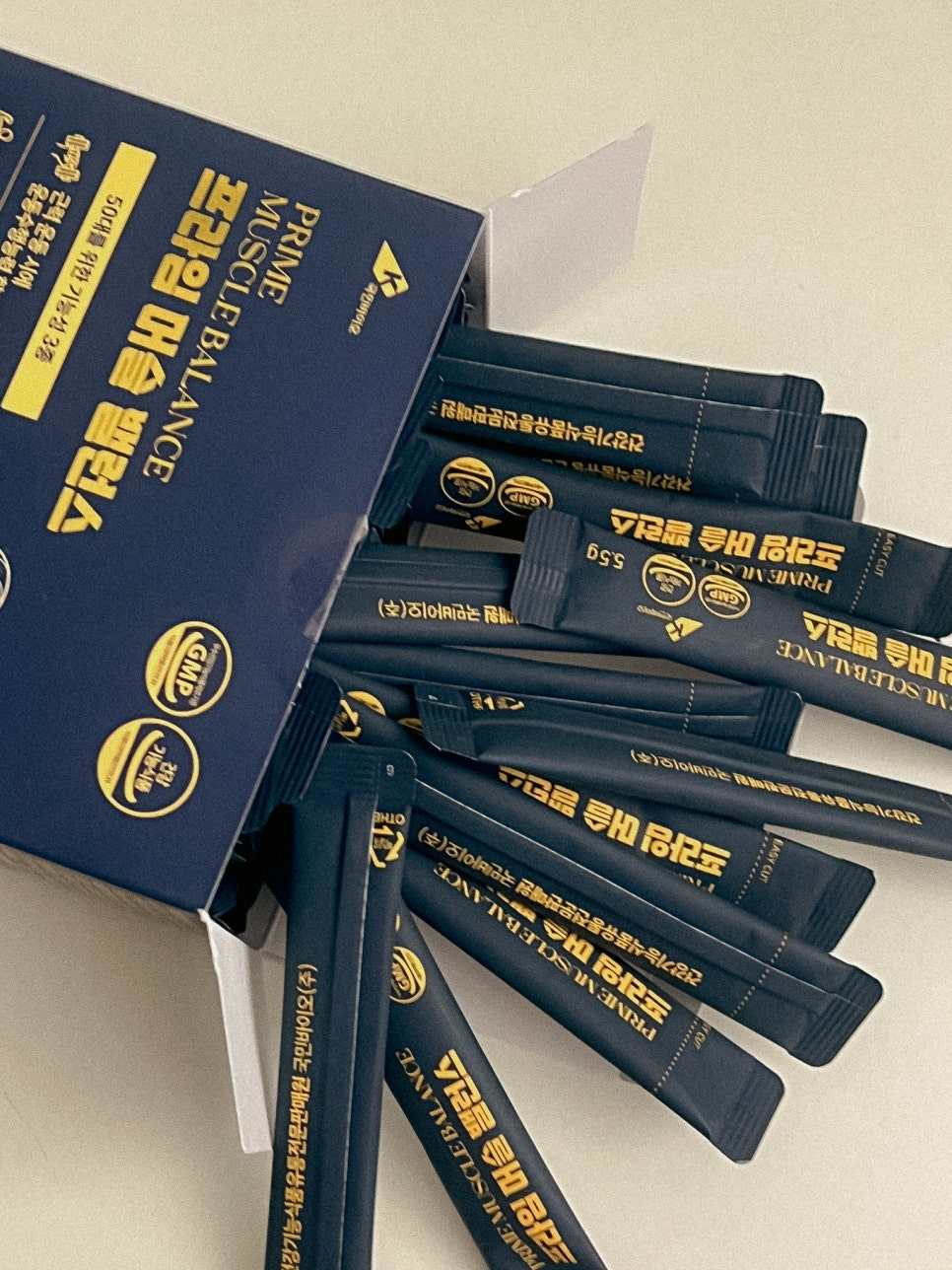
What’s Inside Kookmin Bio Prime Muscle Balance?
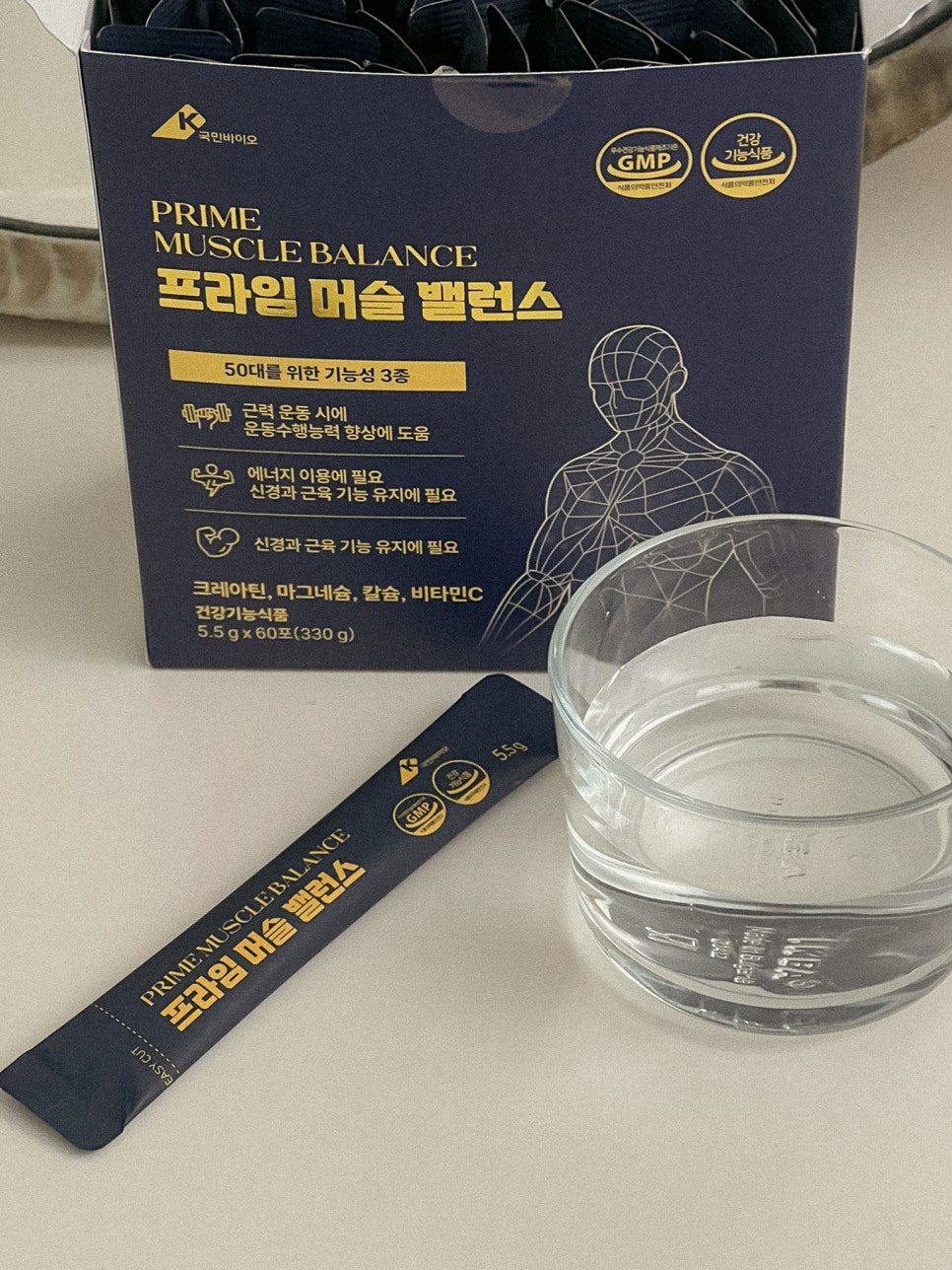
Kookmin Bio Prime Muscle Balance is a health functional food formulated with 3,000mg of creatine plus magnesium, calcium, and vitamin C.
Prime Muscle Balance is a health functional food formulated based on data on Korean life-stage nutrition and dietary habits, manufactured to meet the standards of Korea’s Ministry of Food and Drug Safety (MFDS).
It’s also worth noting that it’s classified as a health functional food rather than a general processed food, and that it’s produced in a GMP-certified facility.
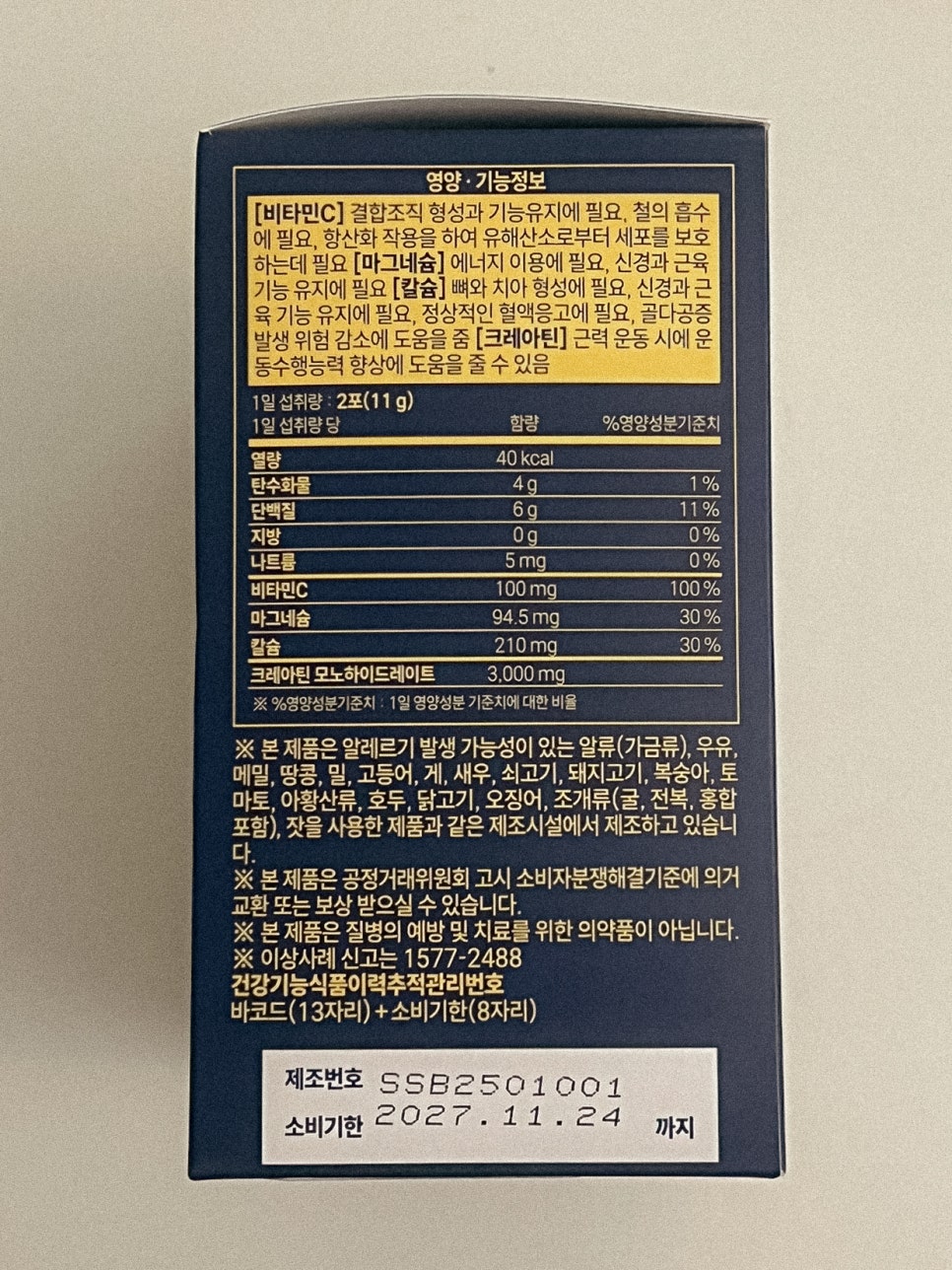
| Key Ingredient | MFDS-Recognized Function & Role |
|---|---|
| Creatine (3,000mg) | May help improve exercise performance during strength training |
| Magnesium | Needed for energy utilization and maintaining nerve and muscle function |
| Calcium | Involved in maintaining nerve and muscle function, signal transmission, and muscle contraction |
| Vitamin C | May help protect cells through antioxidant action |

The ZERO formulation process, which removes unnecessary additives, also stands out.
✅ Sweeteners
✅ Coloring agents
✅ Synthetic flavors
✅ Silicon dioxide
✅ HPMC
✅ Carboxymethylcellulose
✅ Magnesium stearate
Since this is a product you take every day, I appreciated being able to check details like these additives.
What’s the Synergy Between Protein and Creatine?
Protein is a nutrient that builds muscle, while creatine may help improve high-intensity exercise performance — which is why the protein and creatine combination works so well together.
Taking protein and creatine together means using pre-workout creatine to support performance, then replenishing muscle-building nutrients with protein after your workout.
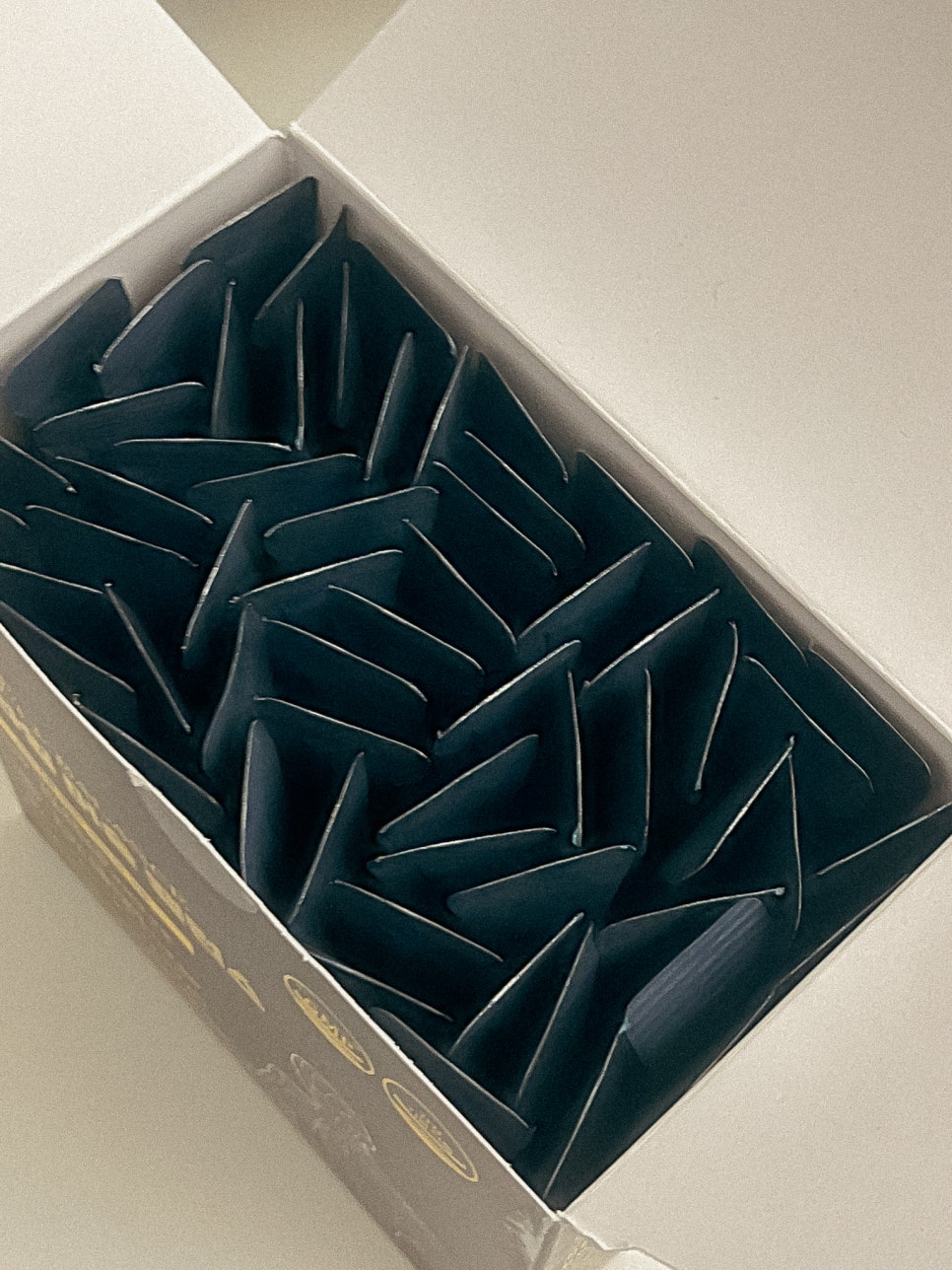
✔ Creatine → may help improve high-intensity exercise performance
✔ Protein → a nutrient needed for building and maintaining muscle
✔ Taking both together makes it easy to manage everything from workout performance to post-workout nutrition in one routine.
How Should You Take Creatine, and What Precautions Should You Know?
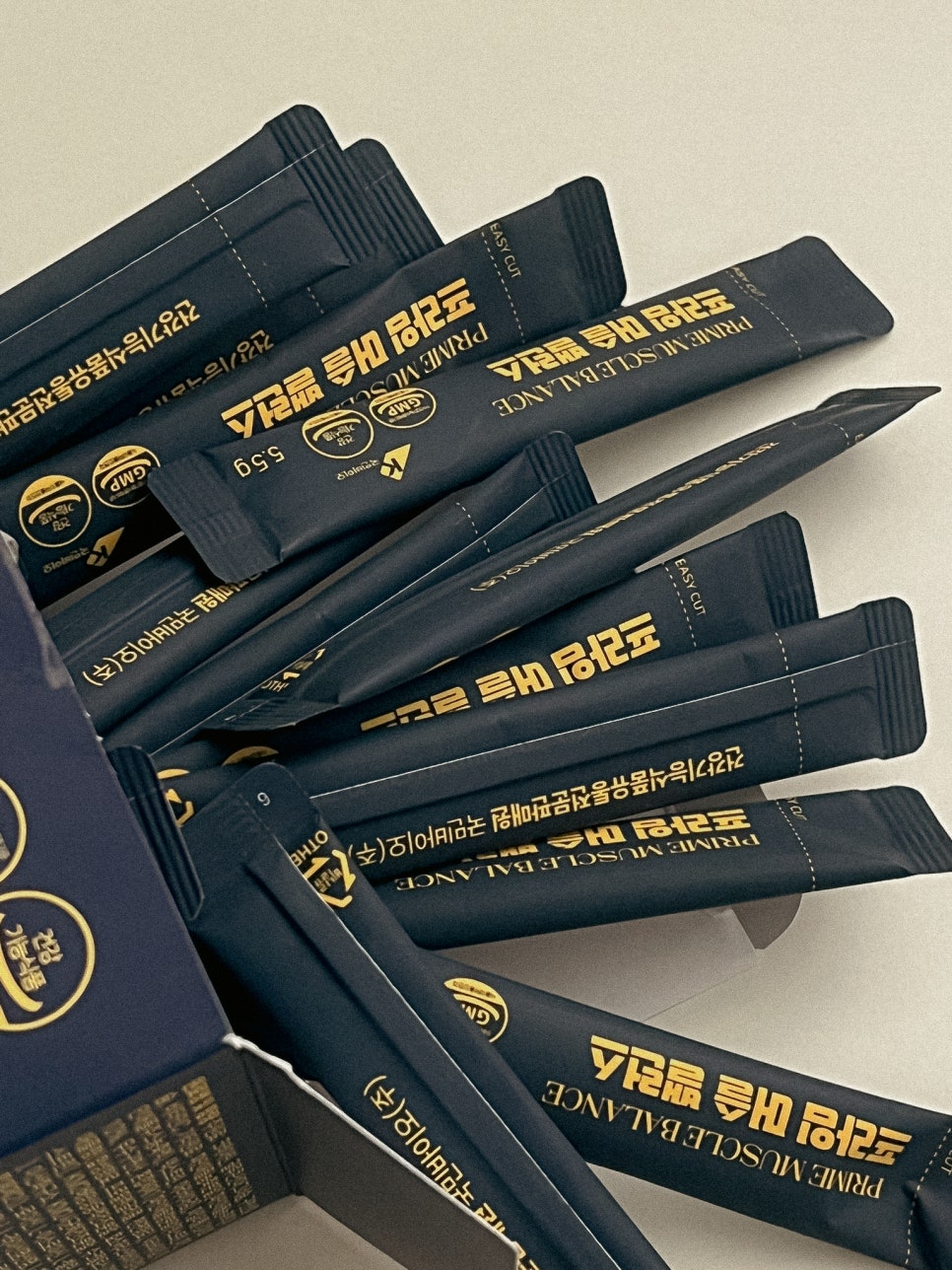
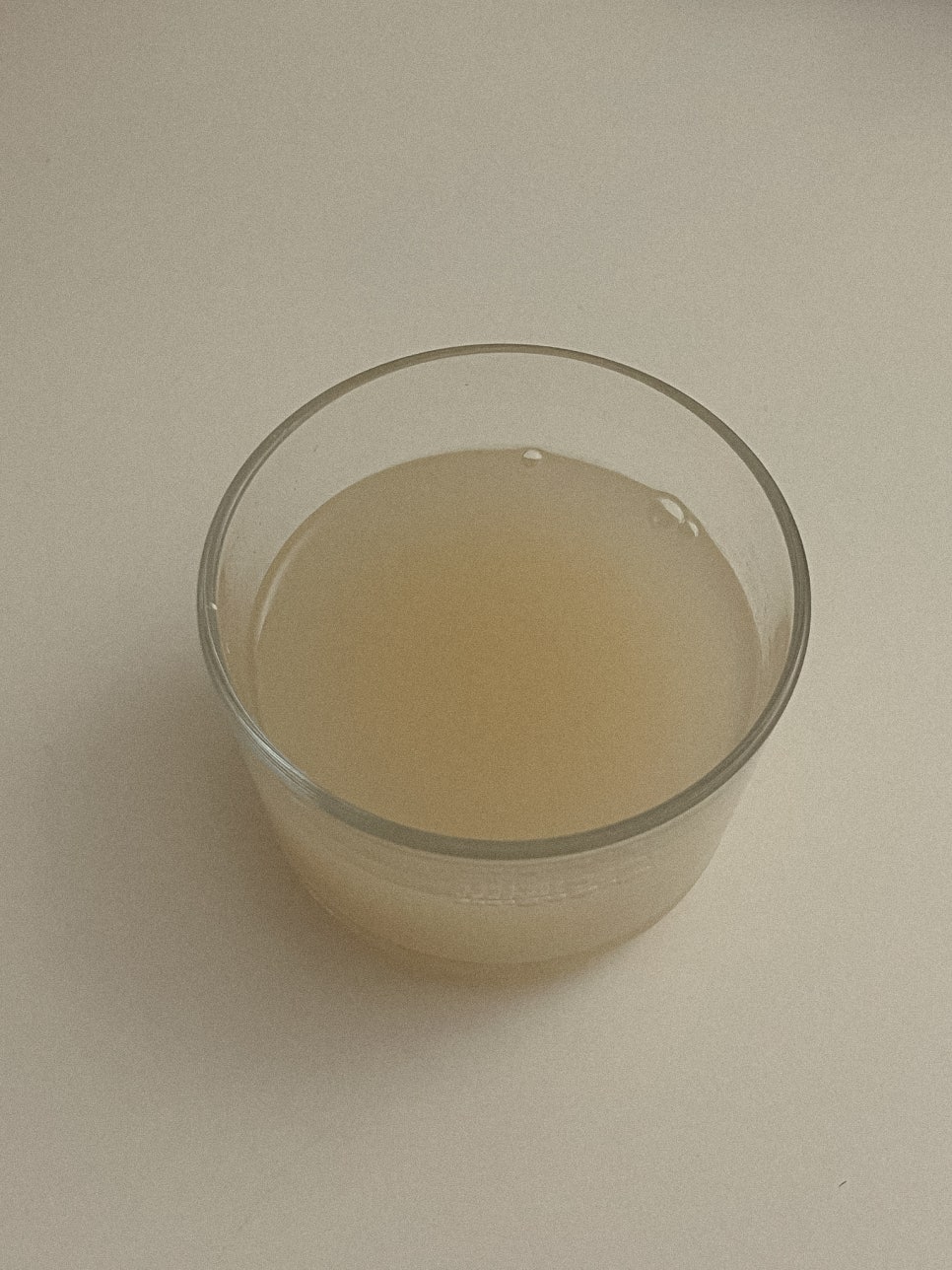
Prime Muscle Balance comes in a pineapple flavor that’s easy to drink, with a simple routine — mix one packet (5.5g) with water, twice a day.
Some people may have been put off by the fishy or chalky taste that’s typical of creatine.
But when I tried it myself, it tasted refreshing, almost like a regular drink, so it felt easy to keep up with every day.
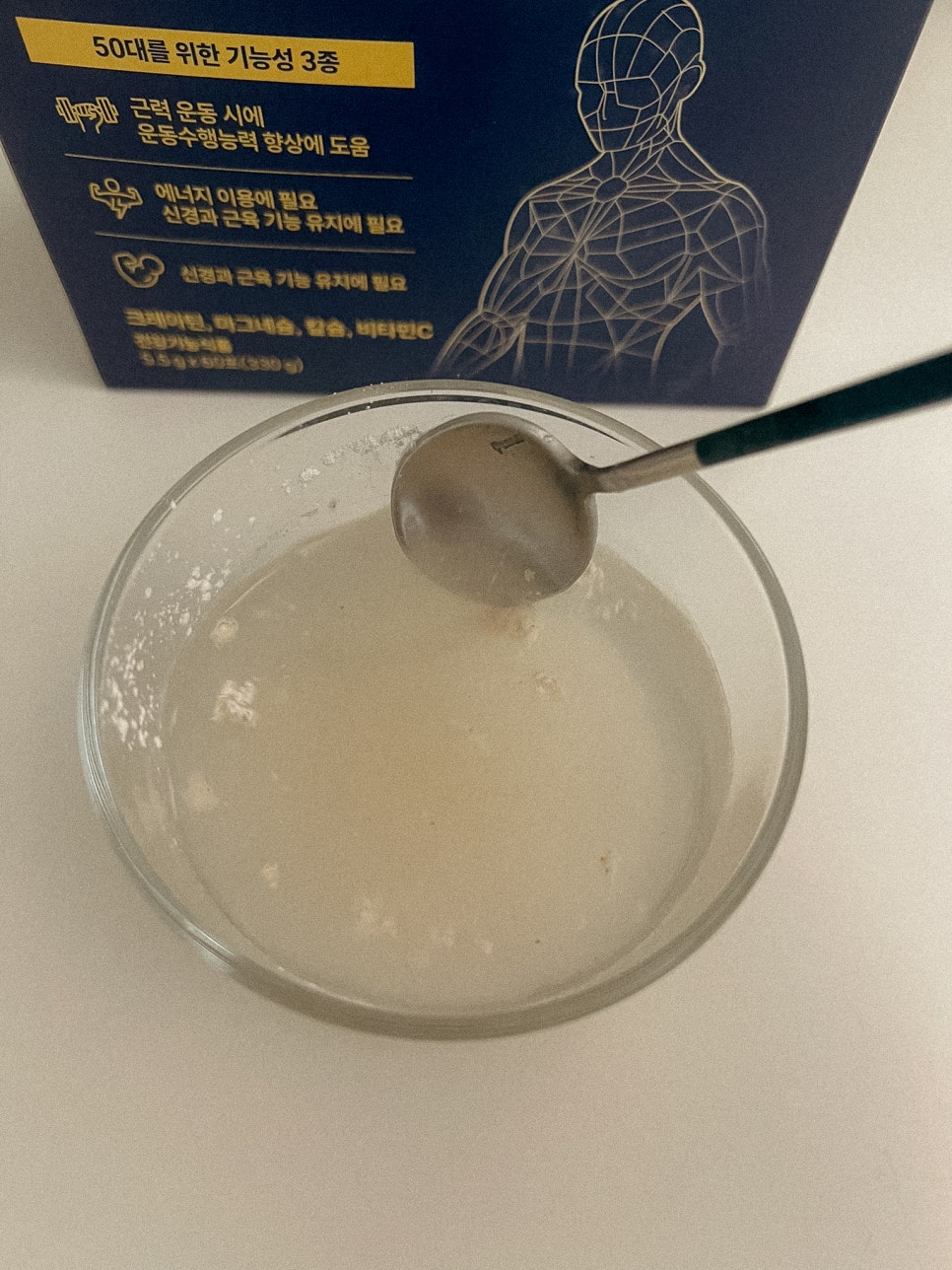
The directions are simple, too.
Just mix one packet (5.5g) into 300–350ml of water and shake — twice a day, and you’re done.

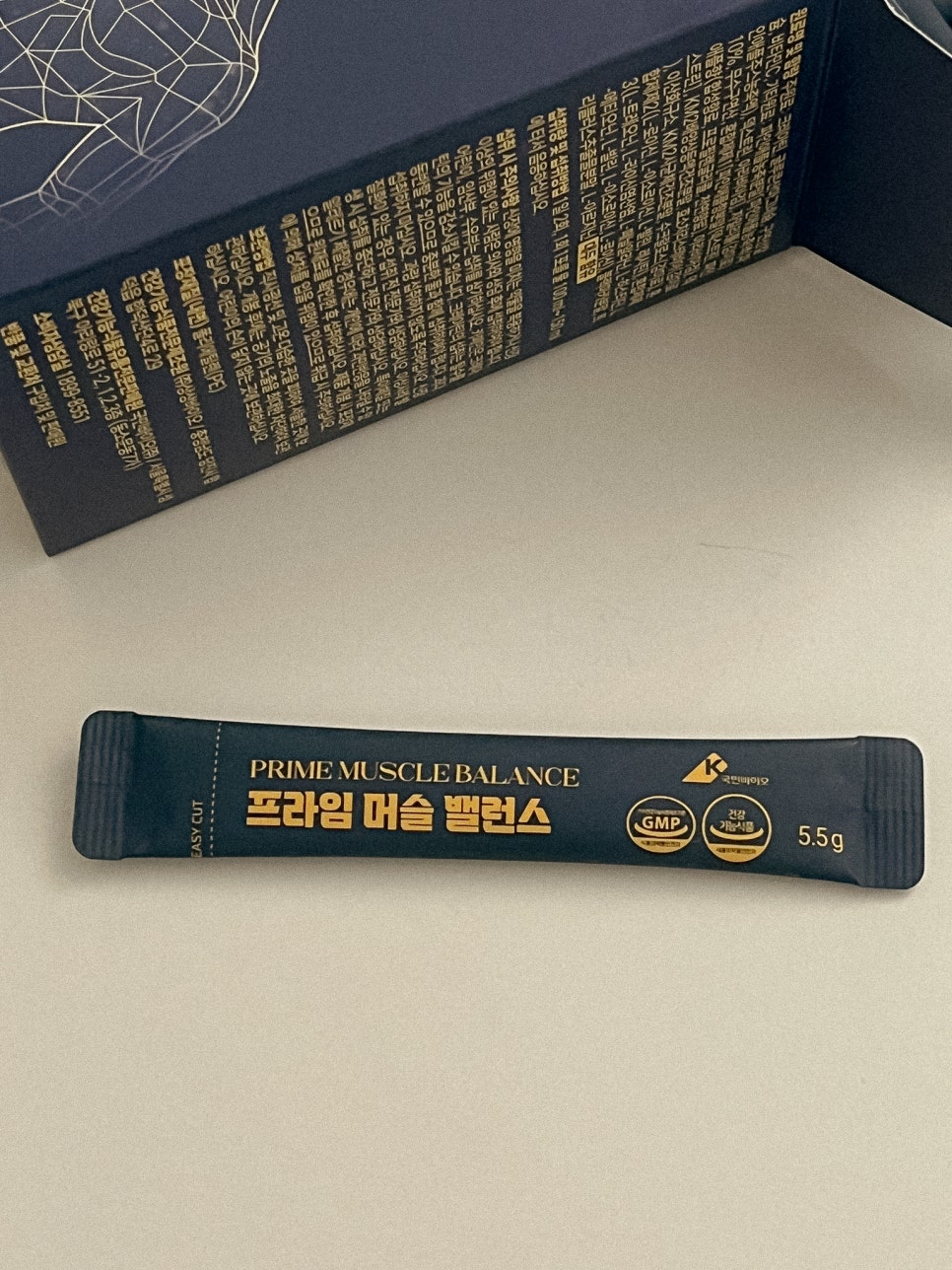
Since each packet is individually wrapped, it’s easy to toss one in your bag and bring it along every time you head to the gym.
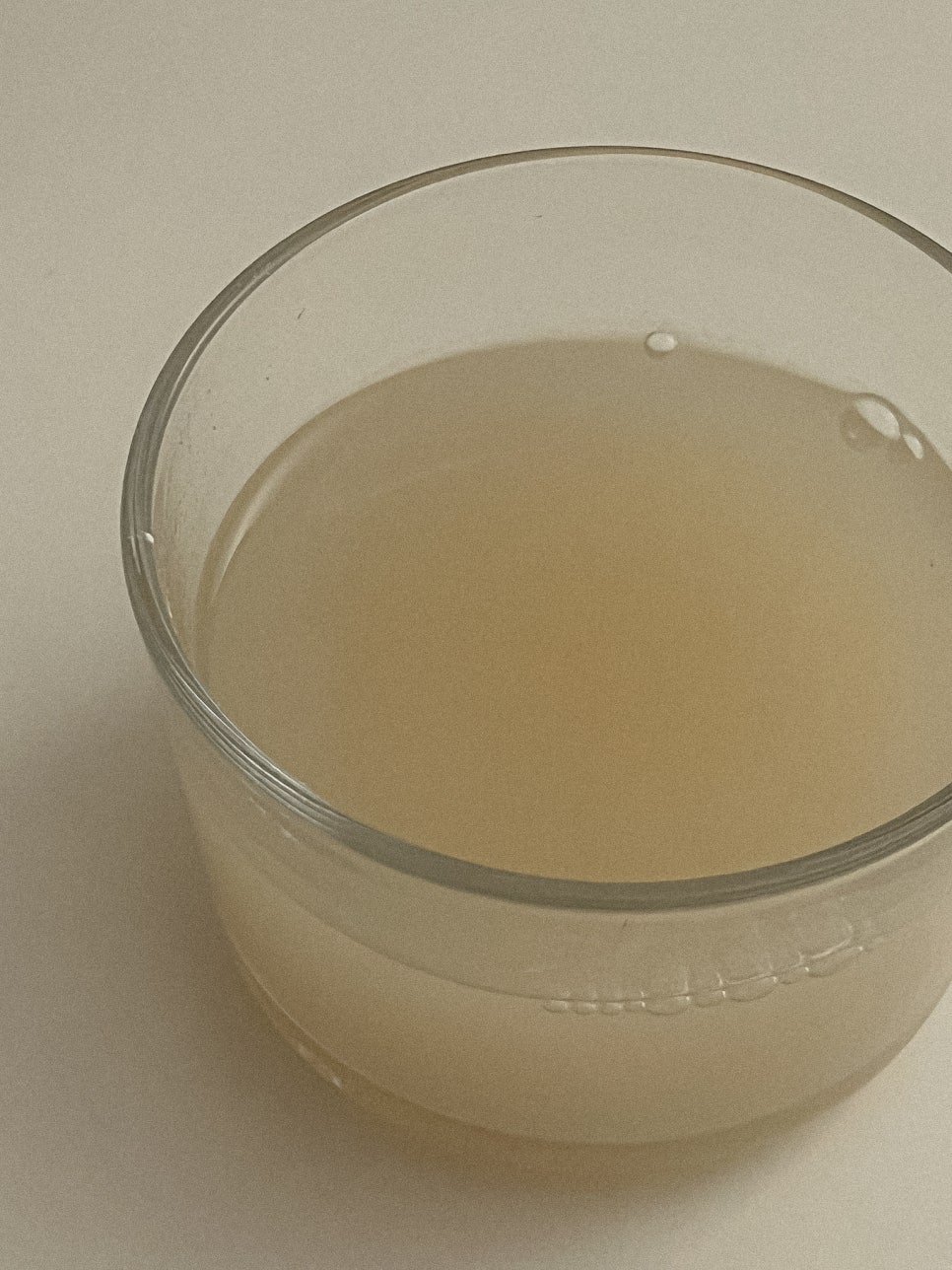
If you’re looking for a product you can stick with long-term — one that also holds up on taste and portability — this one is worth a look.
If you’re curious about Kookmin Bio’s full product lineup, you can check it out on the Kookmin Bio homepage.
⚠ When taking creatine, it’s best to drink plenty of water. Pay extra attention to hydration while you work out.
⚠ If you have kidney issues or are taking kidney-related medication, it’s safest to consult a healthcare professional before use.
⚠ Pregnant or breastfeeding women should avoid taking this product.

Rather than drinking a large amount of water all at once, sipping steadily before and after your workout can help you stay hydrated too.
Frequently Asked Questions
1. Do I have to take creatine before a workout?
No. Since it’s more important to take creatine consistently every day to maintain your muscle stores, there’s no need to strictly stick to taking pre-workout creatine.
2. Can I take protein and creatine together?
Yes, you can. Protein supports muscle composition while creatine supports workout performance — since they play different roles, there’s no issue taking them together.
3. How much should I take per day?
Prime Muscle Balance is designed around one packet (5.5g) taken twice a day. According to related research, long-term maintenance doses of around 3–5g per day are also reported to be used safely.
4. Are there any side effects from taking creatine?
Bloating or muscle cramps have been reported in some cases, and staying well-hydrated may help ease these effects. Those with kidney disease or who are pregnant should consult a healthcare professional before use.
5. Who might benefit from taking creatine?
It’s especially popular among those doing high-intensity, repetitive strength training, such as weight training.
References
· Lee Kyung-gyu (Pharmacist, Academic Committee Member, Korean Society of Sports Pharmacy), “Creatine, the Muscle’s Battery — How to Take It for Best Results,” Yakup Gongnon (Korea Pharmaceutical Affairs News), 2026. Read more
· DoctorNow, “How Much Water Should You Drink When Taking Creatine?”, DoctorNow Pharmacist Consultation. Read more
This article is intended for general health information purposes only and is not a substitute for individual diagnosis or treatment. Please consult a healthcare professional if you have any health concerns.