Have you ever added black soybeans to your rice every day, only to end up feeling bloated?
Surprisingly, a lot of people trust that they’re “good for you,” eat them without any prep, and end up struggling with indigestion.
But to actually get the full black soybean benefits, you first need to know the type of bean and how to prepare it correctly.
This guide covers black soybean benefits and side effects, plus the difference between the often-confused medicinal black soybean and wild black soybean.
We’ll go through it step by step — from key compounds like anthocyanins, to the recommended daily intake, to the easiest way to eat them without stomach trouble.


① The core of black soybean benefits comes from the anthocyanins in the skin.
② Medicinal black soybean and wild black soybean actually refer to the same bean.
③ Eating them raw can cause digestive trouble, so they should always be cooked first.
What Exactly Is Black Soybean?
Black soybean is a general term for legumes with dark black skin, used both as a food and in traditional herbal medicine.
Far more than a simple bean you toss into a pot of rice, it’s one of the classic “black foods” that has long been used in traditional Korean medicine.
It’s commonly known under several names — seoritae, seomok-tae, wild black soybean, and more.
Despite the different names, they all share one thing in common: they’re legumes with a black outer skin.
Because of this, shoppers often find it confusing to figure out exactly which bean they should be buying.


What Are the Benefits of Black Soybean, and What Role Do Anthocyanins Play?
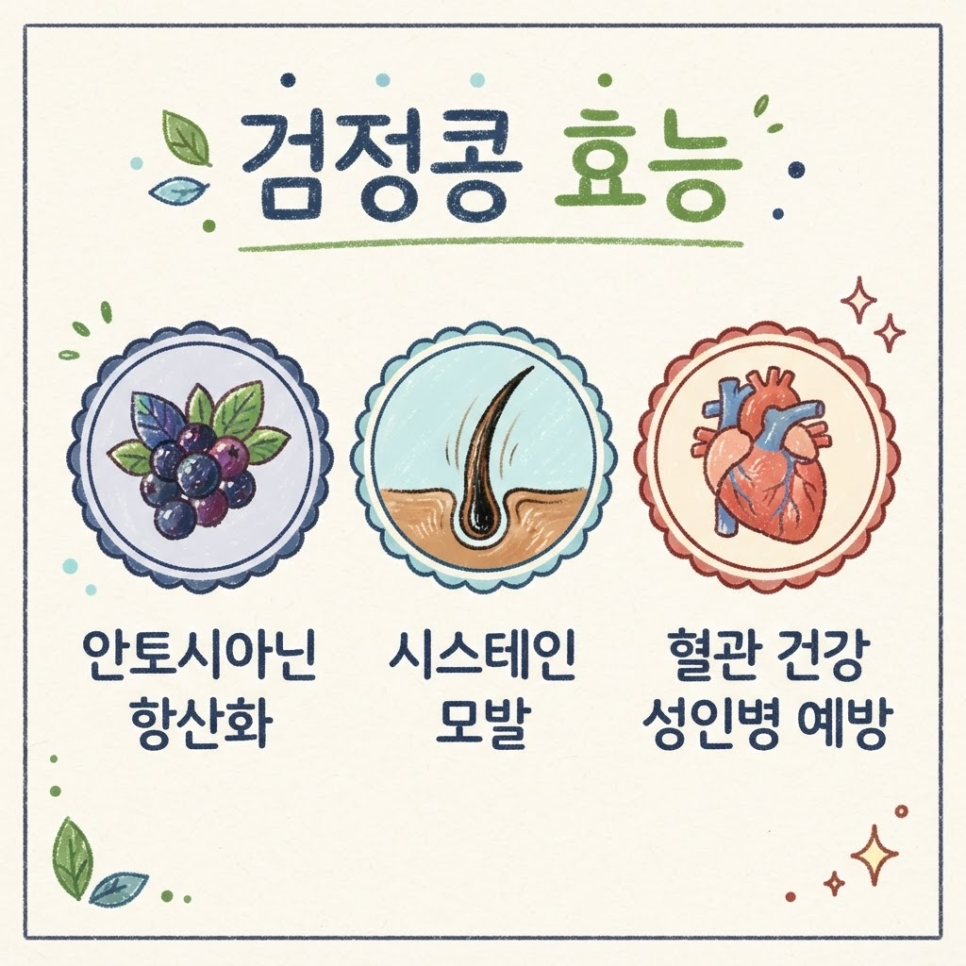
Black soybean benefits center on the anthocyanins found in the bean’s skin.
Anthocyanins are antioxidant pigments that help neutralize free radicals in the body and may help slow cellular aging.
According to Korea’s official Korea Policy Briefing, the anthocyanins abundant in dark-colored grains are known to support antioxidant activity and may help lower cholesterol and support blood vessel health.
Black soybeans also contain cysteine, an amino acid involved in hair growth, along with isoflavones, often called plant-based estrogens.
Isoflavones have been reported to help ease menopausal symptoms in women.
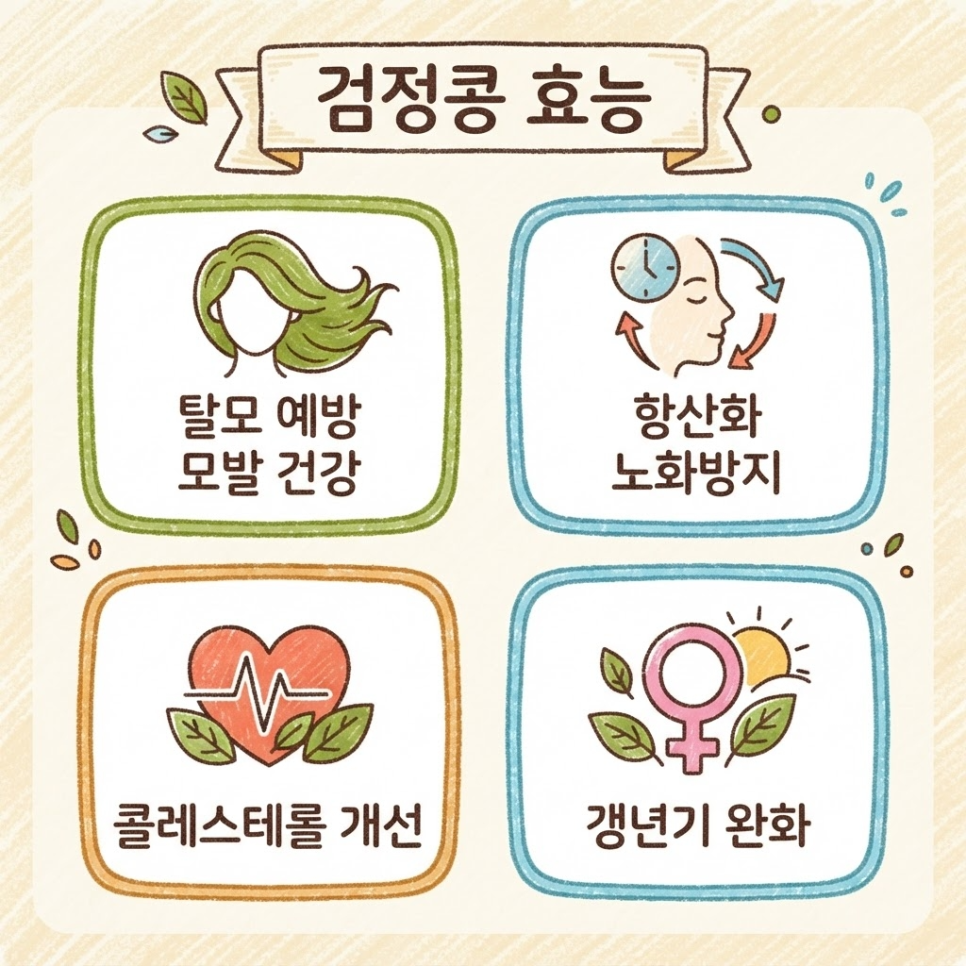
✔ May support anti-aging through antioxidant activity
✔ May help support healthy cholesterol levels
✔ May help ease menopausal symptoms in women
✔ May help support healthy hair
That said, these potential benefits don’t mean black soybeans can treat or prevent disease — they’re best understood as a supporting part of a balanced diet.
Are Medicinal Black Soybean and Wild Black Soybean Really the Same Bean?
To answer that right away: medicinal black soybean and wild black soybean are simply two names for the same bean.
It’s called “wild black soybean” (literally “rat’s-eye bean” in Korean) because the small, glossy beans resemble a rat’s eyes, and it earned the nickname “medicinal black soybean” because it’s widely used as an herbal remedy in traditional Korean medicine.
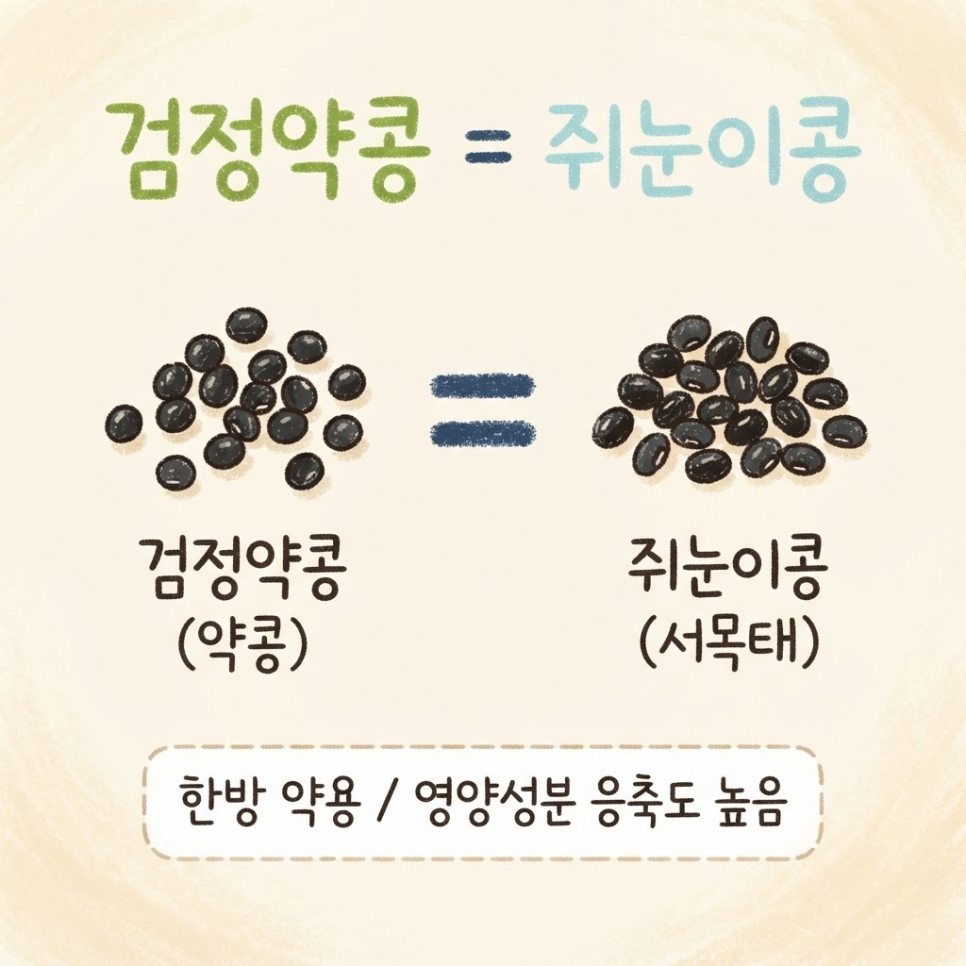
Even though it’s smaller in size, it’s said to have a higher concentration of nutrients than seoritae.
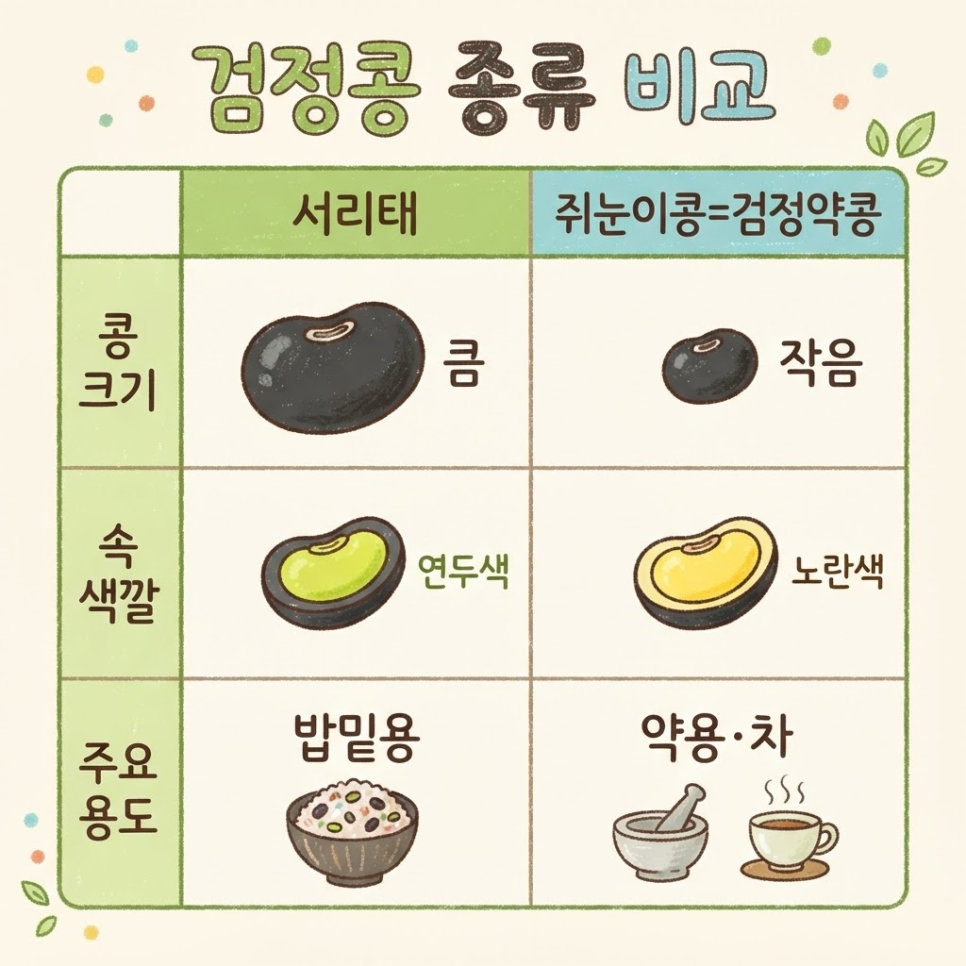
Here’s a table comparing the two beans:
| Category | Seoritae | Wild Black Soybean (Medicinal Black Soybean) |
|---|---|---|
| Size | Relatively large | Very small |
| Interior color | Light green | Yellow or light green |
| Main uses | Cooking with rice, braised side dishes (kongjaban) | Herbal remedies, tea, roasted snacks |
What Are the Side Effects of Black Soybean, and How Can You Eat It Safely?
Most black soybean side effects show up when the beans are eaten raw or in excessive amounts.
Eating raw beans can lead to poor digestion and bloating.
Cooking the beans improves both digestion and nutrient absorption.
Black soybeans are also considered a “cooling” food in traditional Korean medicine, so if you tend to run cold, it’s best to stick to moderate portions.
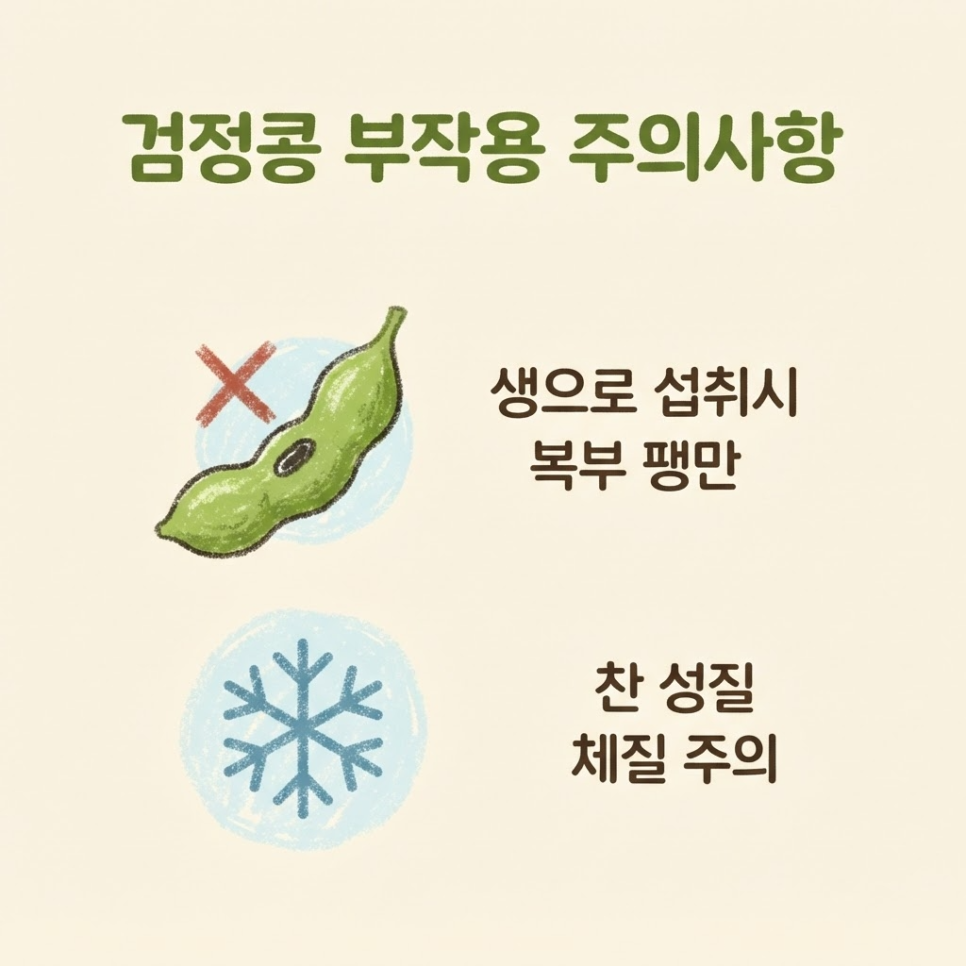
✅ Have you cooked the beans thoroughly instead of eating them raw?
✅ Are you sticking to the recommended daily intake (about 30g)?
✅ If your stomach is sensitive, are you roasting the beans and drinking them as tea?

Overeating can lead to digestive discomfort, so about one handful a day is a good amount to aim for.
I’ll admit, when I first started, I just roasted the beans and ate them plain, and it left my stomach in rough shape.
These days I lightly roast them and steep them in hot water as tea instead, and it’s much easier on my stomach with no discomfort.
If you have a sensitive digestive system, I’d definitely recommend trying this method.

When choosing a bean product to eat every day, it’s also worth getting into the habit of checking the origin and how it was processed.
If you’d like to compare health ingredients more closely, it’s worth checking out the Kookmin Bio homepage for more information.
Frequently Asked Questions
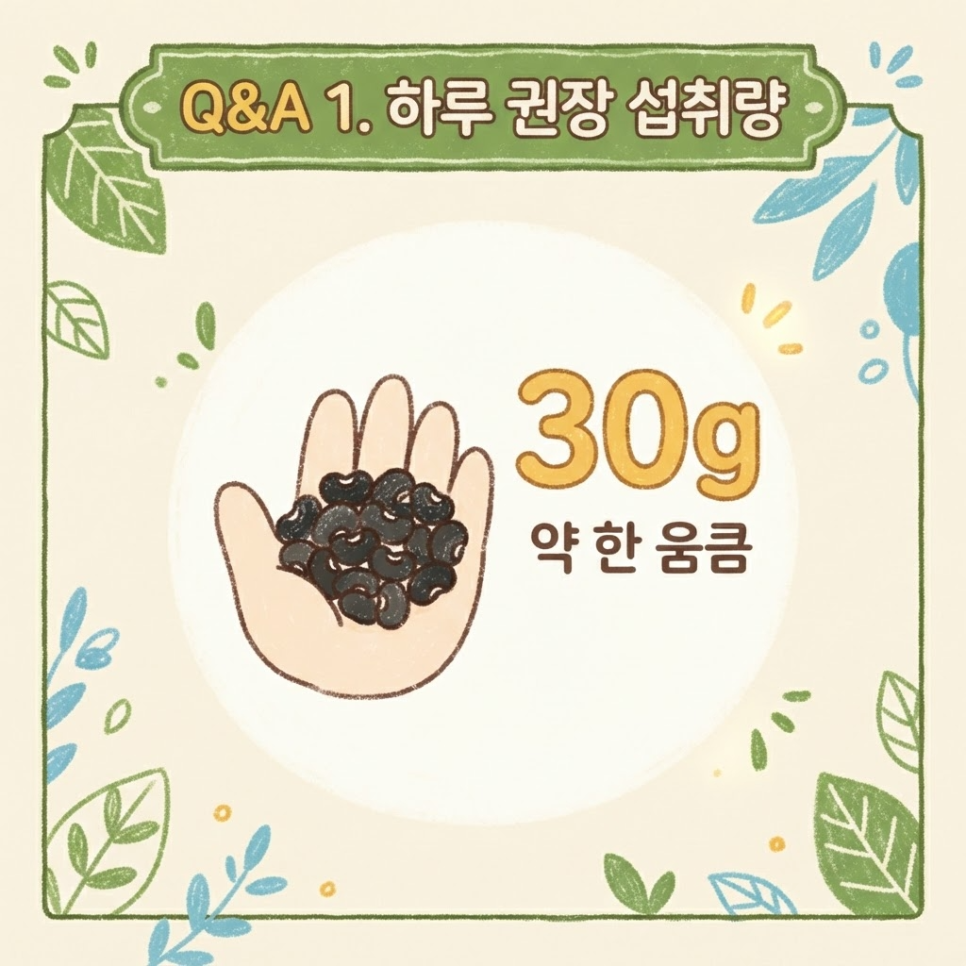
1. What is the recommended daily intake of black soybean?
For adults, about 30g a day — roughly one handful — is appropriate. Eating too much can lead to digestive issues.
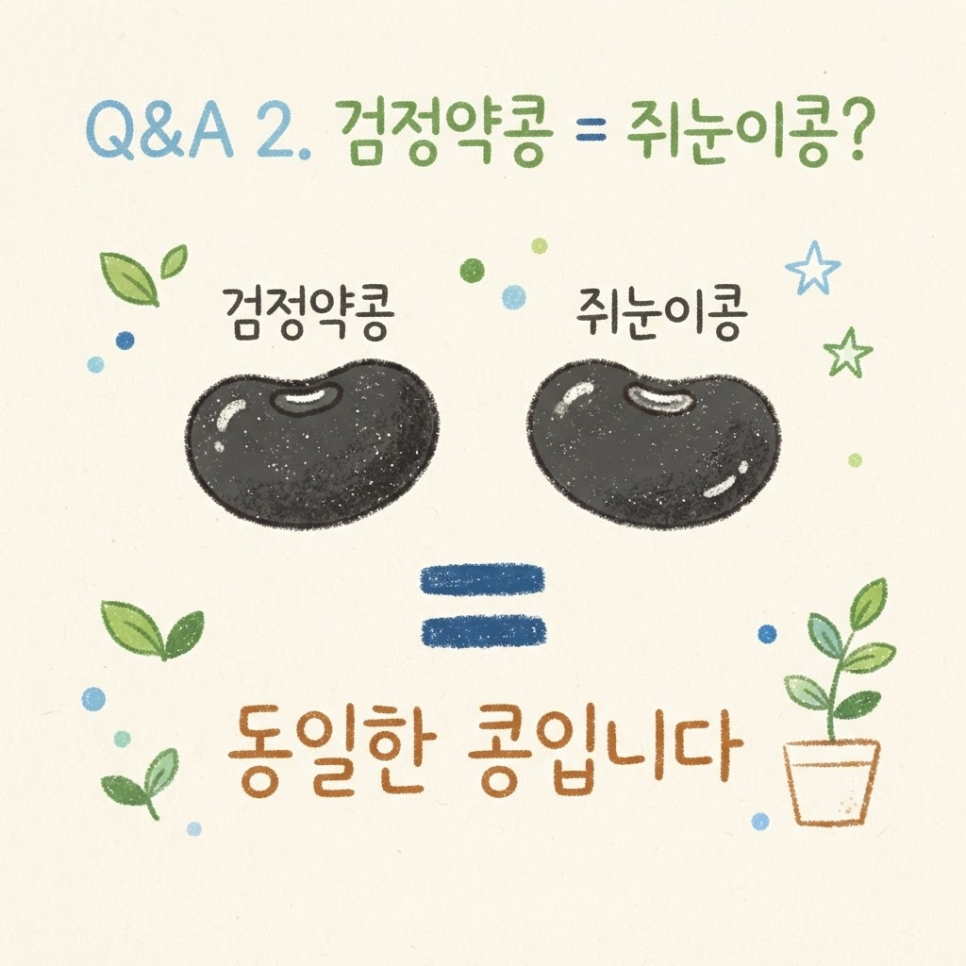
2. Are medicinal black soybean and wild black soybean completely different beans?
No. “Medicinal black soybean” is simply the herbal-medicine name for wild black soybean — the two terms refer to the exact same bean.
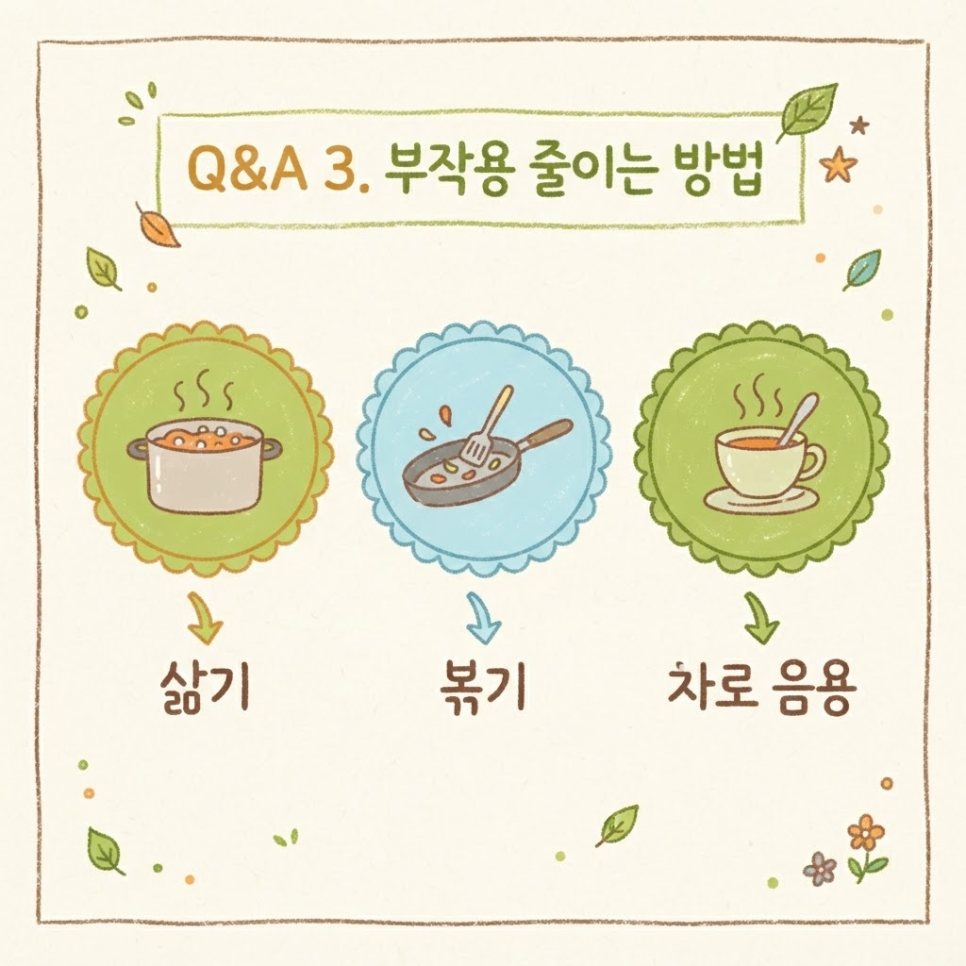
3. How can I minimize black soybean side effects when eating it?
Never eat it raw — always boil or roast it thoroughly first. Steeping it as a warm tea is also a good option.
4. Which is better, seoritae or wild black soybean?
It depends on how you plan to use it. Seoritae works best for cooking with rice or making kongjaban (braised soybeans), while wild black soybean is better suited to herbal use or tea.
References
· Korea Policy Briefing, “Black Rice, Black Soybean, Black Sesame: What Are the Benefits of Black Grains?,” Ministry of Culture, Sports and Tourism, 2024. View source
· Han Dong-ha, “Black Soybeans Said to Help With Hair Loss — Which Kind Should You Eat for the Best Results?,” Health Kyunghyang, 2022. View source
This article is intended for general health information purposes only and is not a substitute for individual diagnosis or treatment. If you have a health concern, please consult a medical professional.