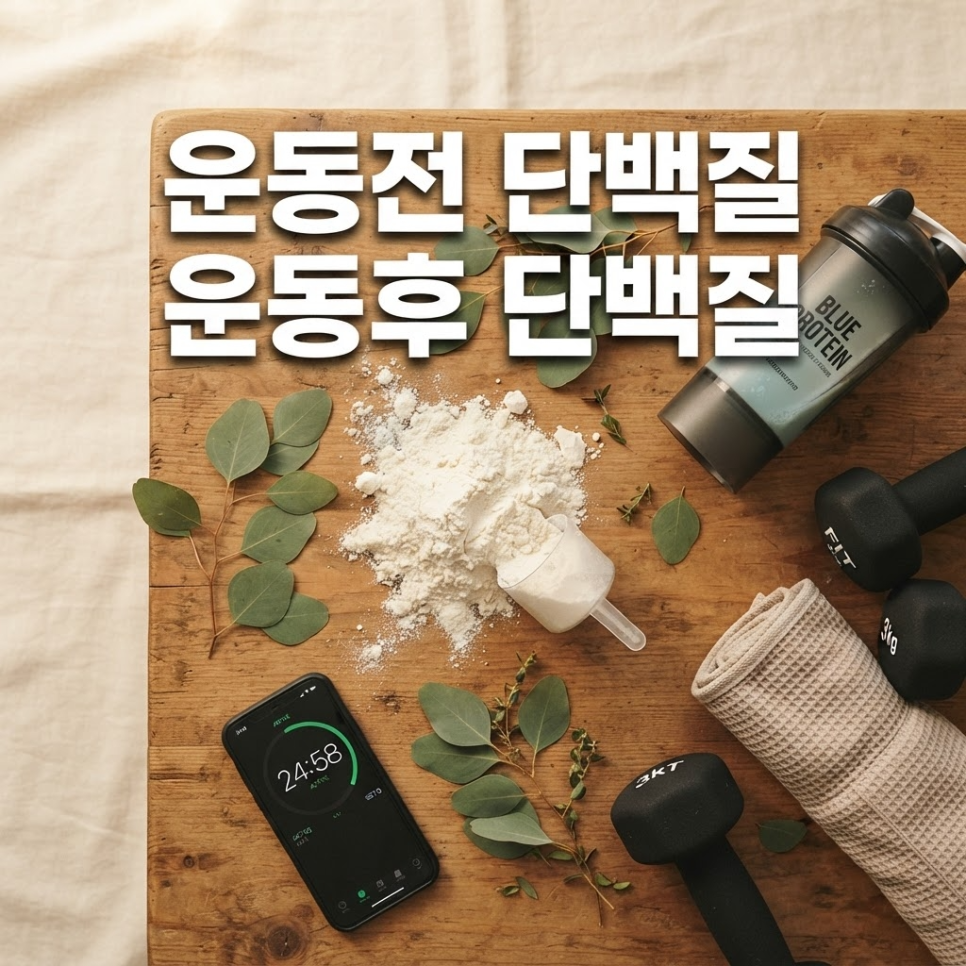
A lot of people still believe you have to rush and drink a protein shake the moment they finish working out.
When I first started lifting, I thought I had to time my post-workout protein timing down to the minute, too.
As it turns out, though, your total daily protein intake and how you spread it out matter far more than nailing an exact minute.
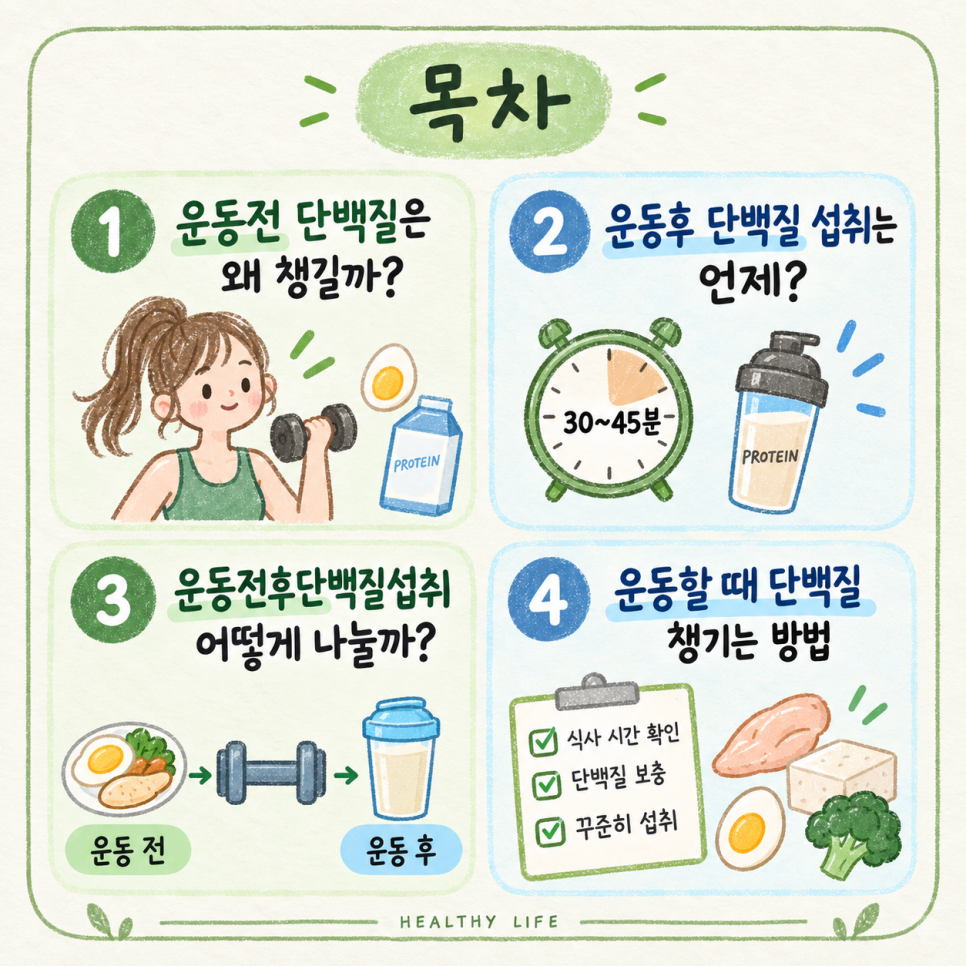
In this post, we’ll compare when and how to time protein before and after a workout.
We’ll also cover how to spread your protein out across the day and how much is generally recommended based on your body weight.
How Much Protein Should You Eat Before a Workout, and When?
Rather than aiming for a fixed clock time, it’s more useful to base your pre-workout protein around when you last ate.
Pre-workout protein intake is the process of supplying your body with amino acids ahead of time so they’re ready to be used during exercise.
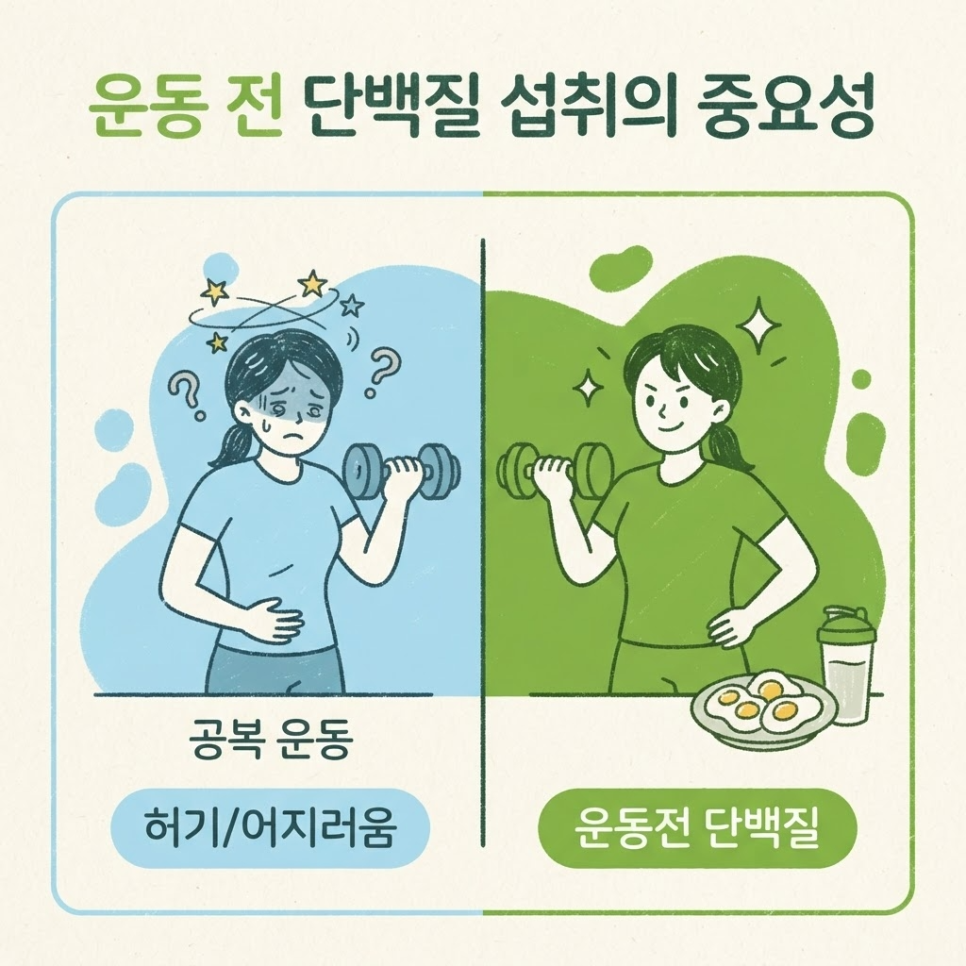
I used to think it was fine to train on an empty stomach, but on days with a long gap since my last meal, I sometimes got unusually hungry or lightheaded partway through my workout.
If it’s been quite a while since your last meal, having a light source of protein beforehand can be a good option.
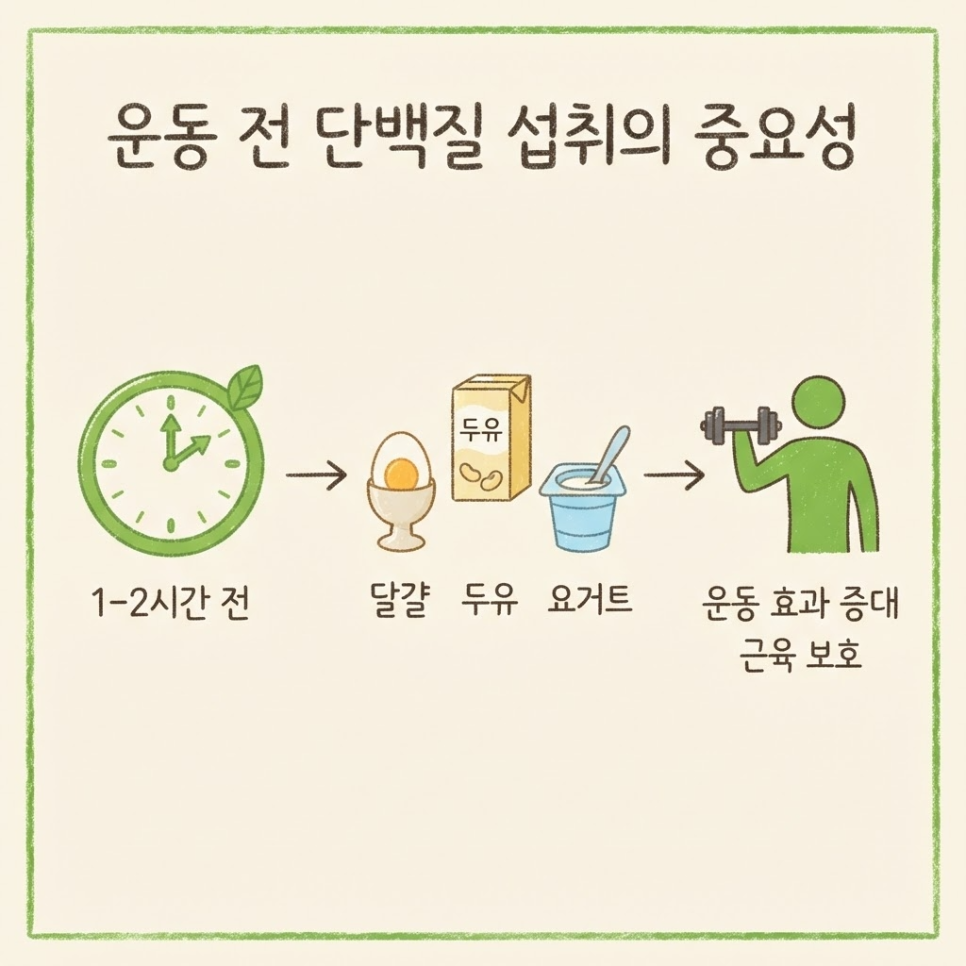
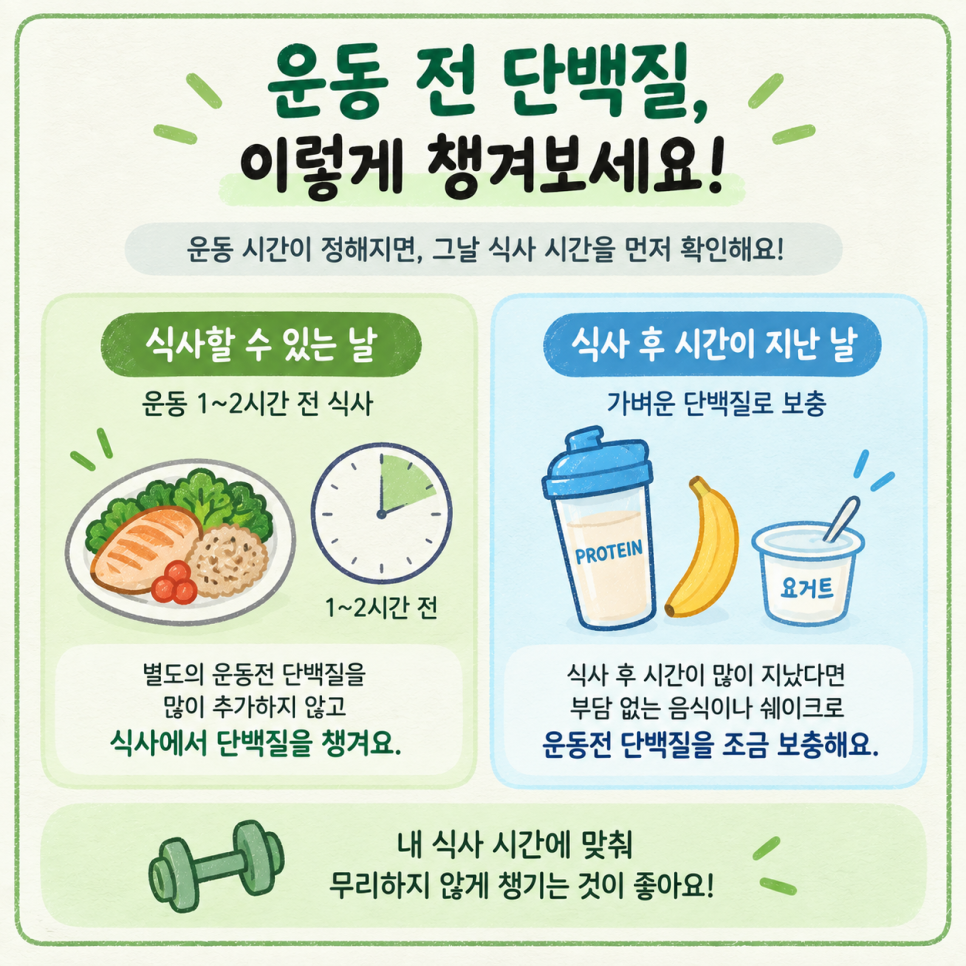
✔ If you can eat 1–2 hours before working out, easy-to-digest foods like eggs, soy milk, or yogurt are good sources of protein.
✔ On busy days, a convenient option like a protein shake works just as well.
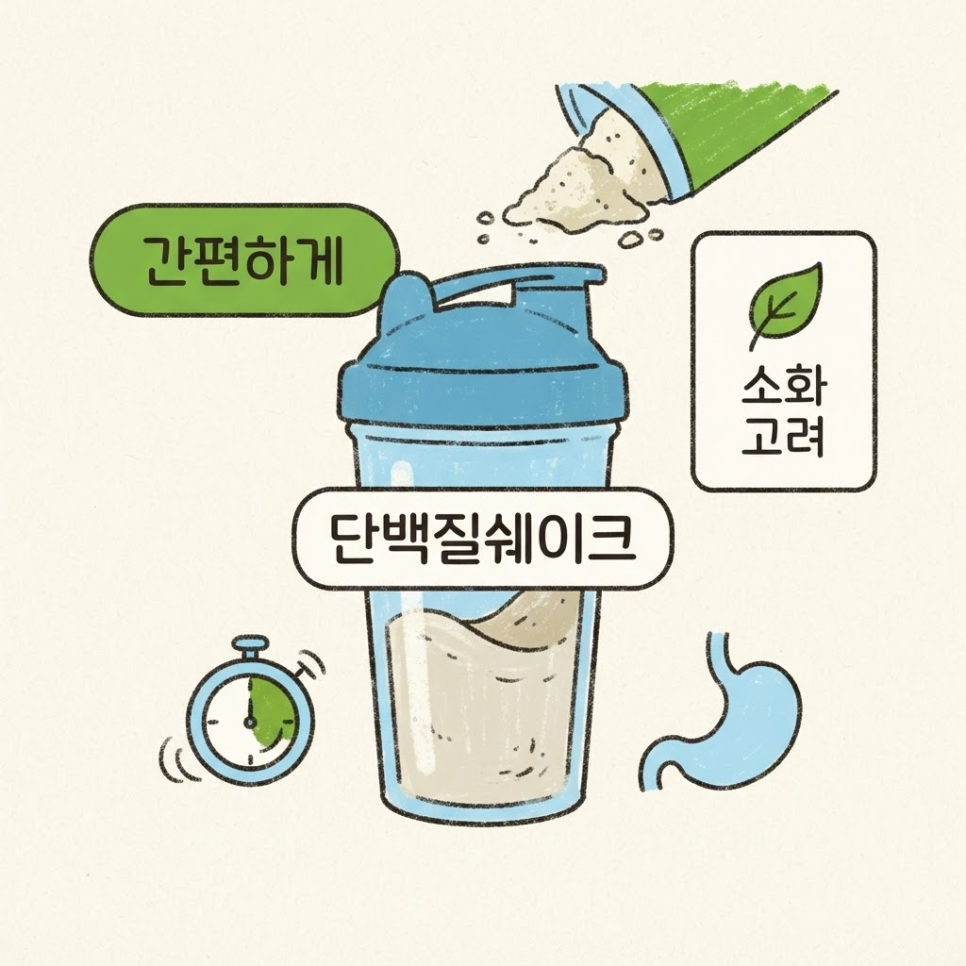
⚠ Eating too much protein right before a workout and exercising immediately can leave you feeling bloated.
⚠ It’s best to adjust the amount based on your usual digestion and workout timing.
Is There Really a 30-Minute “Golden Window” for Post-Workout Protein?
Recent studies generally agree that missing the 30-minute mark doesn’t meaningfully affect muscle growth.
Post-workout protein intake is the process of supporting the muscle protein synthesis response triggered by exercise, through food or a supplement.
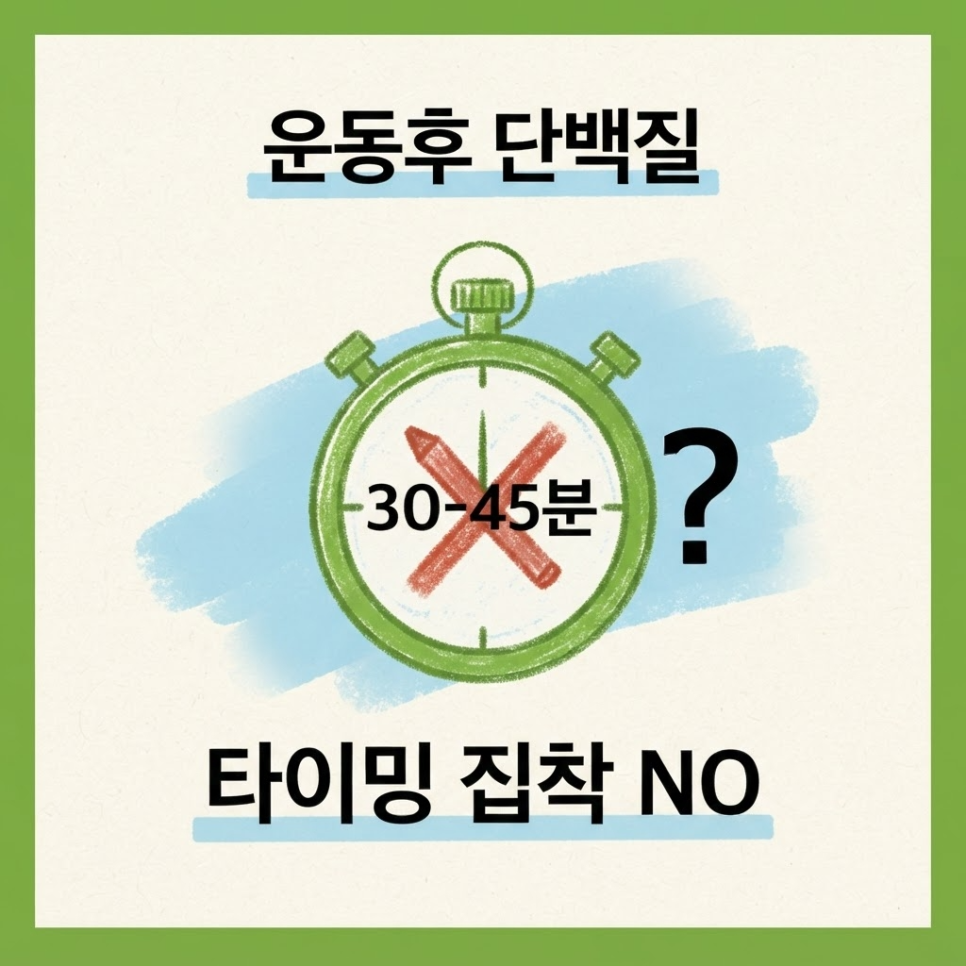
There used to be a common belief that you absolutely had to eat within 30–45 minutes of finishing a workout.
Because of that, not eating right away could leave you feeling like you’d missed your window.
But there’s no need to rush or watch the clock that closely.
Muscle protein synthesis stays elevated for a while after resistance training, so getting protein in through a meal or shake sometime after your workout is generally enough.
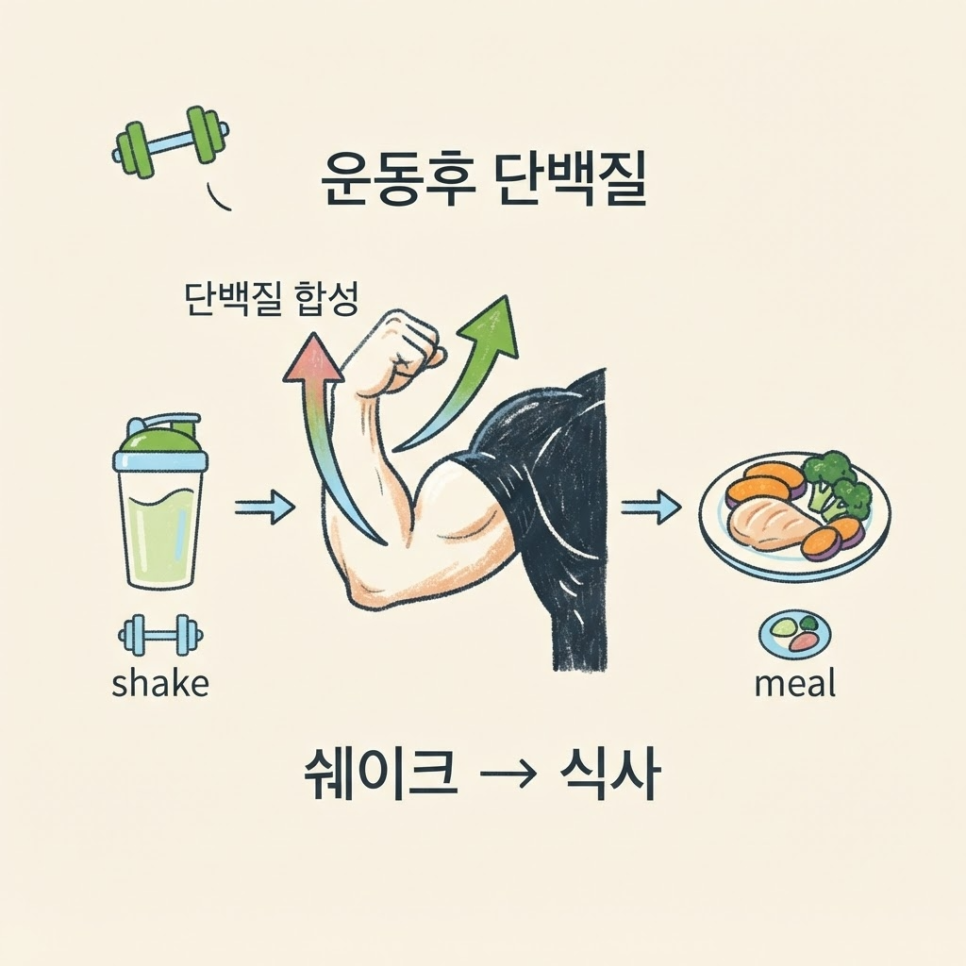
✅ The International Society of Sports Nutrition (ISSN) has stated that protein intake before and after exercise can work together to support muscle protein synthesis.
✅ Related research suggests the so-called “anabolic window” isn’t limited to 30 minutes — it may extend over several hours after a workout.
How Should You Split Protein Timing Before and After a Workout?
The most important thing is not loading up on protein all at once.
Pre- and post-workout protein timing refers to a plan for spreading your total daily intake evenly across your pre-workout, post-workout, and regular meals.
Rather than eating almost nothing in the morning and loading up only after an evening workout, it’s better to spread protein fairly evenly across breakfast, lunch, dinner, and your pre- and post-workout meals.
Eating protein before your workout doesn’t mean you can skip it afterward, and getting your post-workout protein right doesn’t cover your entire day’s nutrition needs, either.
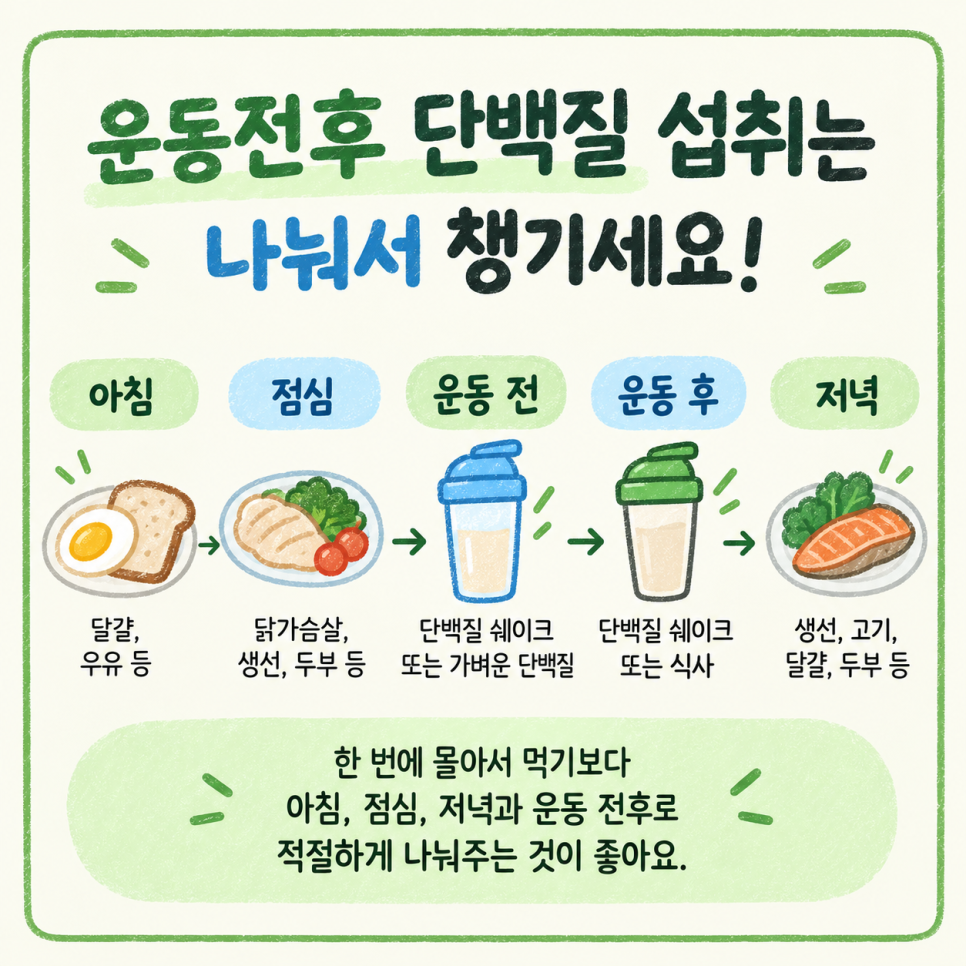
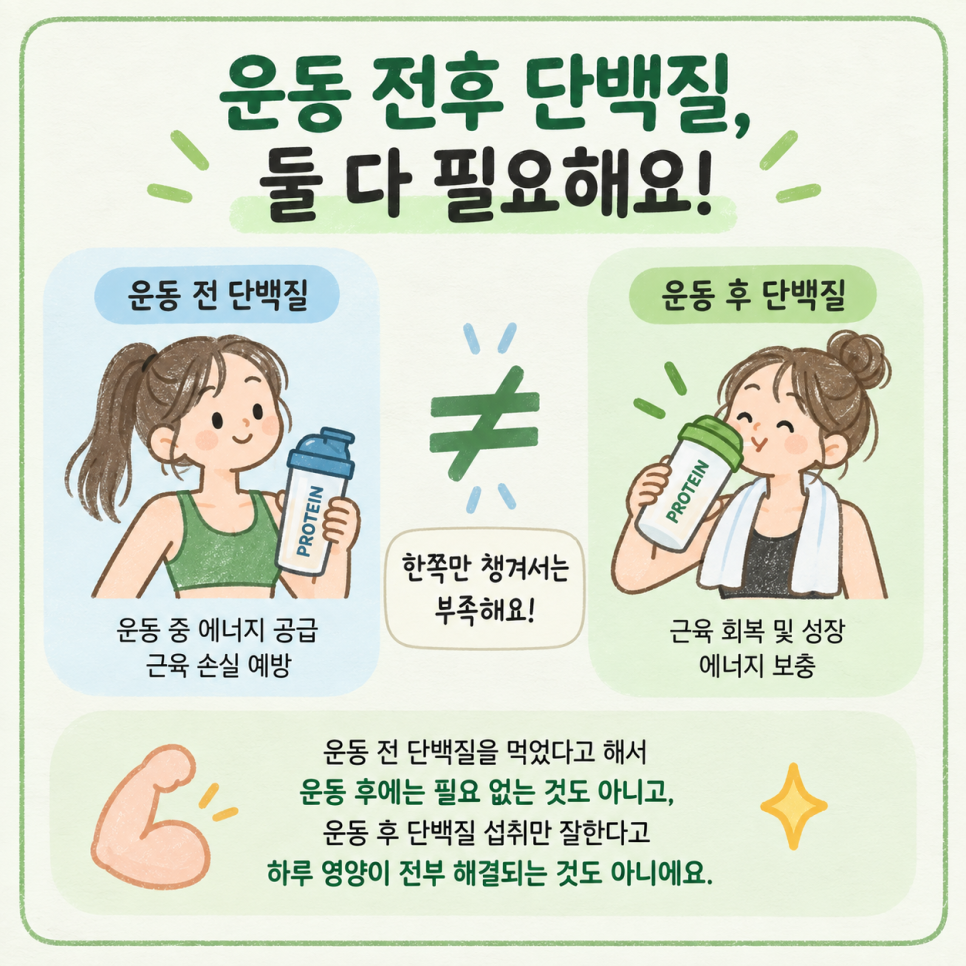
| Category | Purpose | Recommended Foods | Timing Tips |
|---|---|---|---|
| Pre-Workout Protein | Supplies amino acids in advance | Eggs, soy milk, yogurt | When 1–2+ hours have passed since your last meal |
| Post-Workout Protein | Supports the muscle protein synthesis response | Meat, fish, tofu, eggs, shakes | Don’t obsess over minutes — around your next meal is fine |
✔ Even if you had protein before your workout, you should still get protein afterward, too.
✔ Distributing protein across your whole day’s meals is thought to help more with preventing muscle loss.
How Many Grams of Protein Per Kilogram of Body Weight Should You Eat Daily?
If you exercise regularly, the first step is figuring out your total daily protein target based on your body weight and activity level.
As a general guideline, people who train consistently often use around 1.2–2.0g of protein per kilogram of body weight, adjusted for their goals and workout intensity.
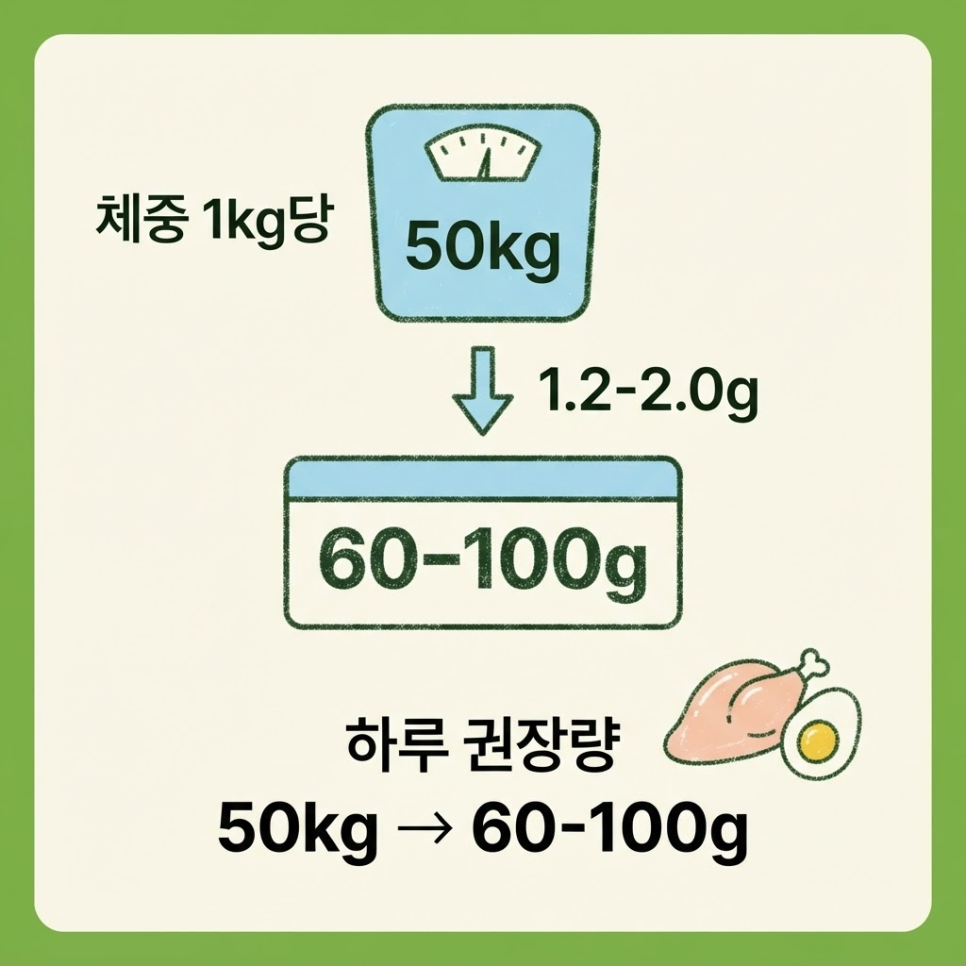
- 50 kg (110 lb) body weight → about 60–100g per day
- 60 kg (132 lb) body weight → about 72–120g per day
- 70 kg (154 lb) body weight → about 84–140g per day
Rather than automatically aiming for the upper end, it’s better to adjust both the amount and timing of your pre- and post-workout protein to match your usual eating habits and workout intensity.
Timing Protein Around Your Own Schedule
On days when you can eat 1–2 hours before your workout, you don’t need extra pre-workout protein — getting it from that meal is enough.
On days when it’s been a while since you last ate, topping up with a light snack or a shake can help.
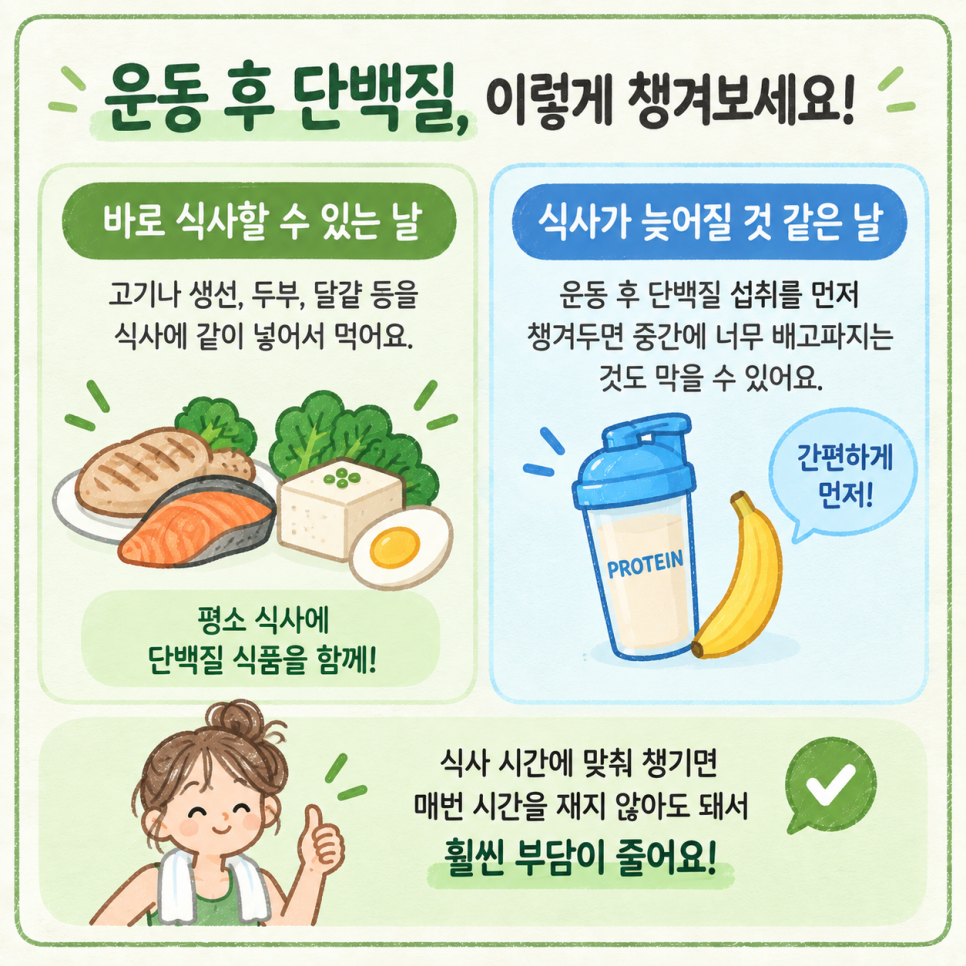
On days you can eat right after your workout, add foods like meat, fish, tofu, or eggs to that meal.
If your next meal is going to be delayed, having some protein soon after your workout can help keep you from getting overly hungry in the meantime.
If you’d like exact protein content for specific products, you can check the product details on the Kookmin Bio homepage.
✅ First, check whether you ate 1–2 hours before your workout
✅ If it’s been a while since your last meal, add a light food or shake for pre-workout protein
✅ Don’t obsess over the 30-minute window — it’s fine to wait for your next meal
✅ Spread protein evenly across your three daily meals plus before/after workouts
✅ Use 1.2–2.0g per kg of body weight as a guide for your daily total
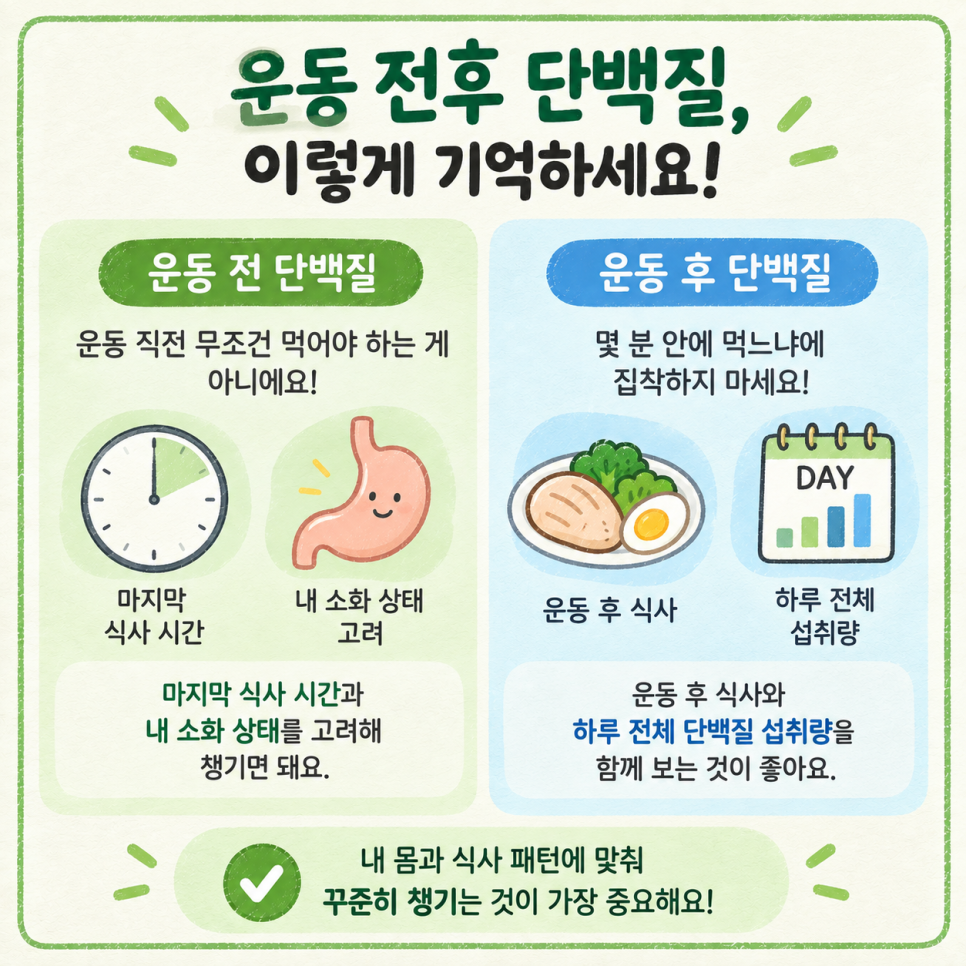
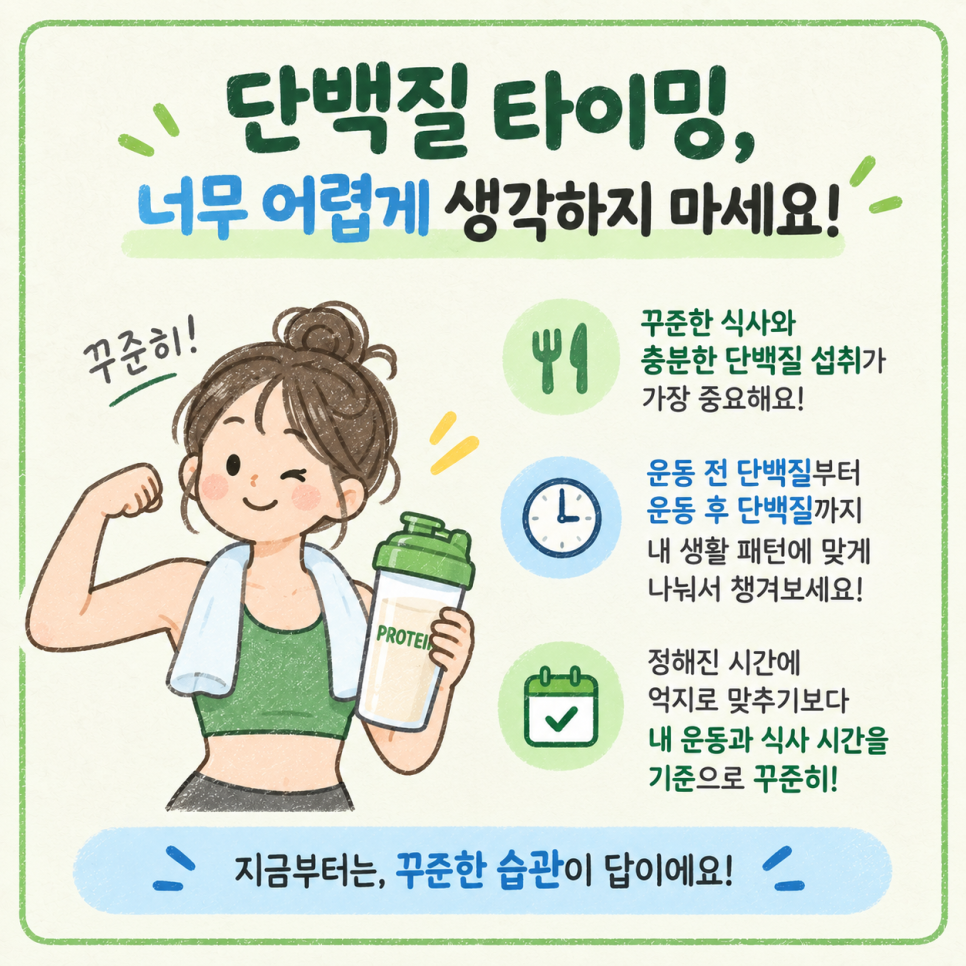
Pre-workout protein doesn’t have to be eaten right before you exercise — it’s about factoring in when you last ate and how your digestion feels.
The same goes for post-workout protein: what matters most is looking at your post-workout meal and your total daily intake together, rather than fixating on the exact number of minutes.
Frequently Asked Questions
1. Do I have to eat protein before working out?
Not necessarily — if it’s been a while since your last meal, a light amount is generally enough.
2. How soon after a workout do I need to eat protein?
Not necessarily within 30 minutes. Muscle protein synthesis stays elevated for several hours after exercise, so you can take your time.
3. Can I get all my daily protein in one meal?
Spreading it across your three meals and around your workouts is generally considered more favorable for maintaining muscle than loading up all at once.
4. How do I calculate protein intake based on body weight?
If you train regularly, a common guideline is about 1.2–2.0g per kilogram of body weight, adjusted for your workout intensity and goals.
5. Is it bad to eat a lot of protein before working out?
Eating a large amount can leave you feeling bloated if you exercise before it’s digested, so it’s best to adjust the portion based on your usual digestion.
References
· Jäger R, et al., “International Society of Sports Nutrition Position Stand: protein and exercise”, Journal of the International Society of Sports Nutrition, 2017. View study
· Aragon AA, Schoenfeld BJ, “Nutrient timing revisited: is there a post-exercise anabolic window?”, Journal of the International Society of Sports Nutrition, 2013. View study
This article is intended for general health information purposes only and is not a substitute for individual diagnosis or treatment. If you have a health concern, please consult a medical professional.