That heavy, gassy feeling in your lower belly when you’re too nervous to even go to the bathroom — stubborn constipation like this is something most of us have dealt with at least once.
Taking probiotics helped for a bit, but the relief never lasted — I’ve been there too, back to square one after just a few days.
As it turns out, an effective chronic constipation treatment isn’t just about probiotics.
It really comes down to identifying the cause behind each specific symptom.

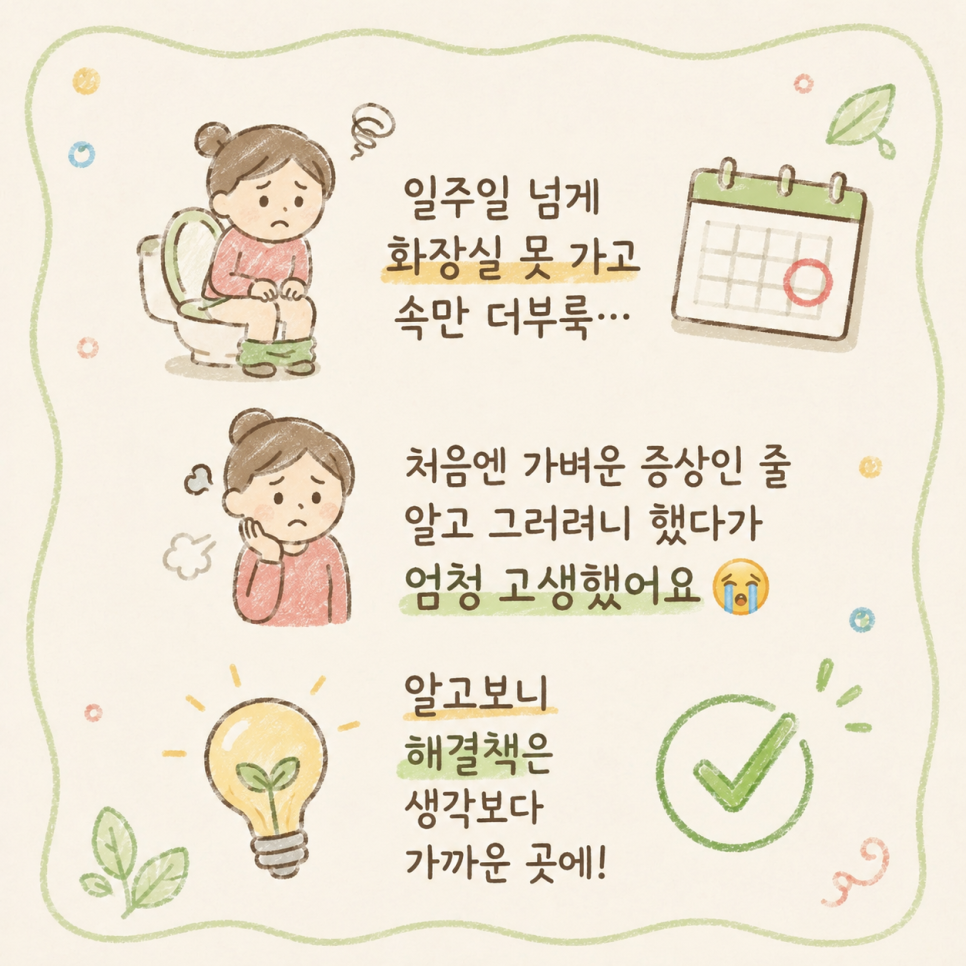
Have you ever gone more than a week without a bowel movement, feeling bloated the entire time?
I used to brush it off as a minor issue too, until it turned into a real struggle.
It turned out the answer was closer than I expected.
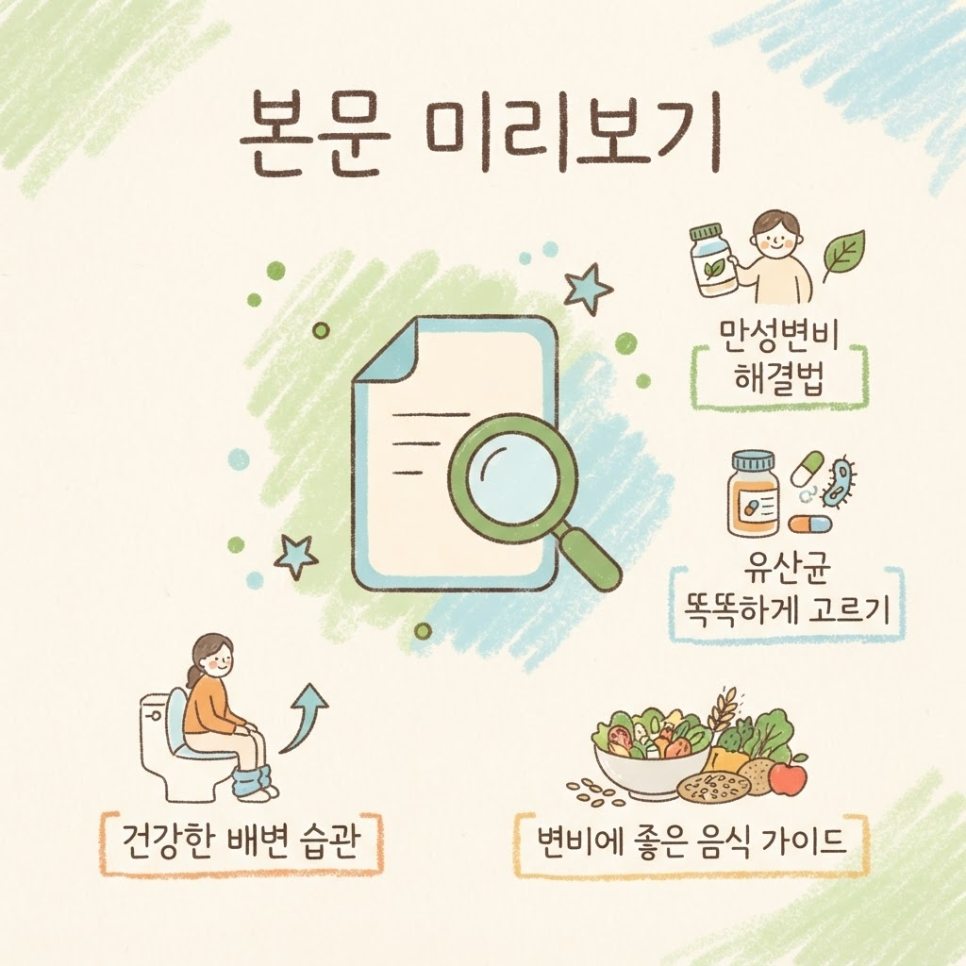
This article covers the core principles of a chronic constipation treatment that actually resolves recurring bowel issues,
plus how to choose the right probiotics for chronic constipation based on your symptoms, and the best foods for chronic constipation that support healthy bowel movements.
Start with the self-check list below to see where you stand.

How Can You Self-Diagnose Chronic Constipation Symptoms?
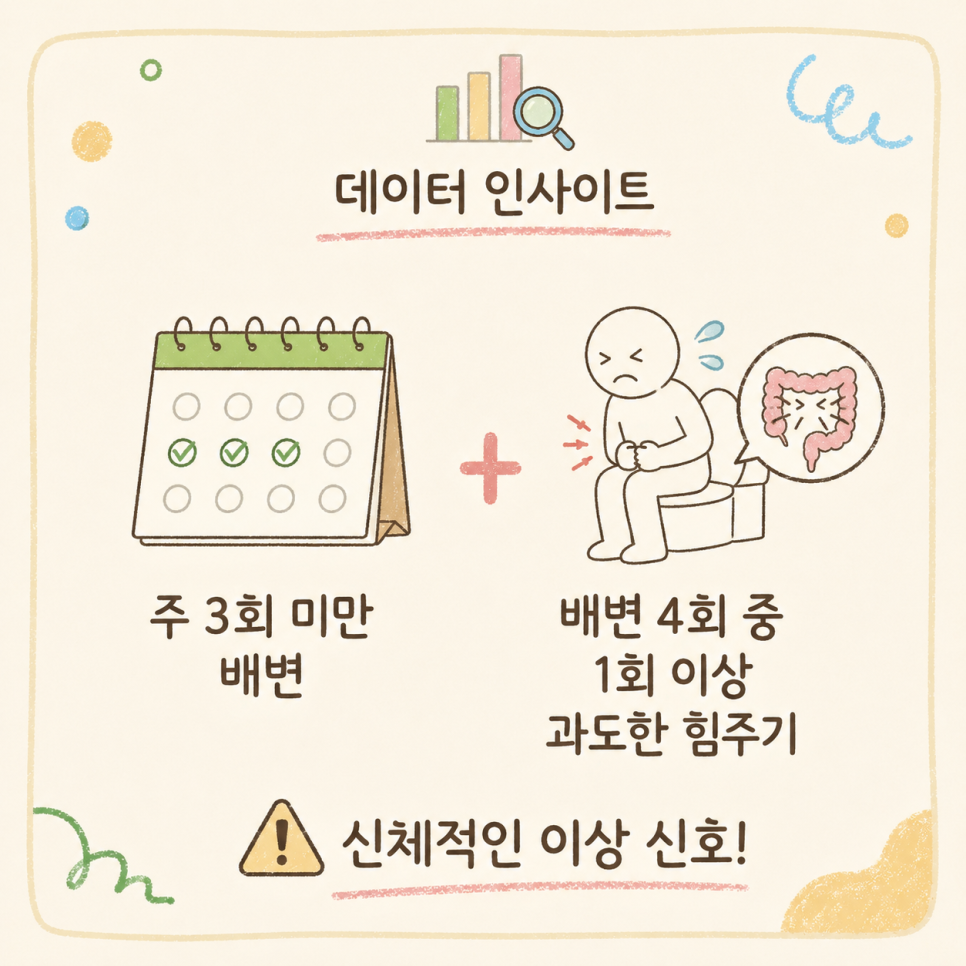
The short answer: if you’re having fewer than 3 bowel movements a week, or straining and feeling incomplete evacuation for more than 3 months, you should suspect chronic constipation.
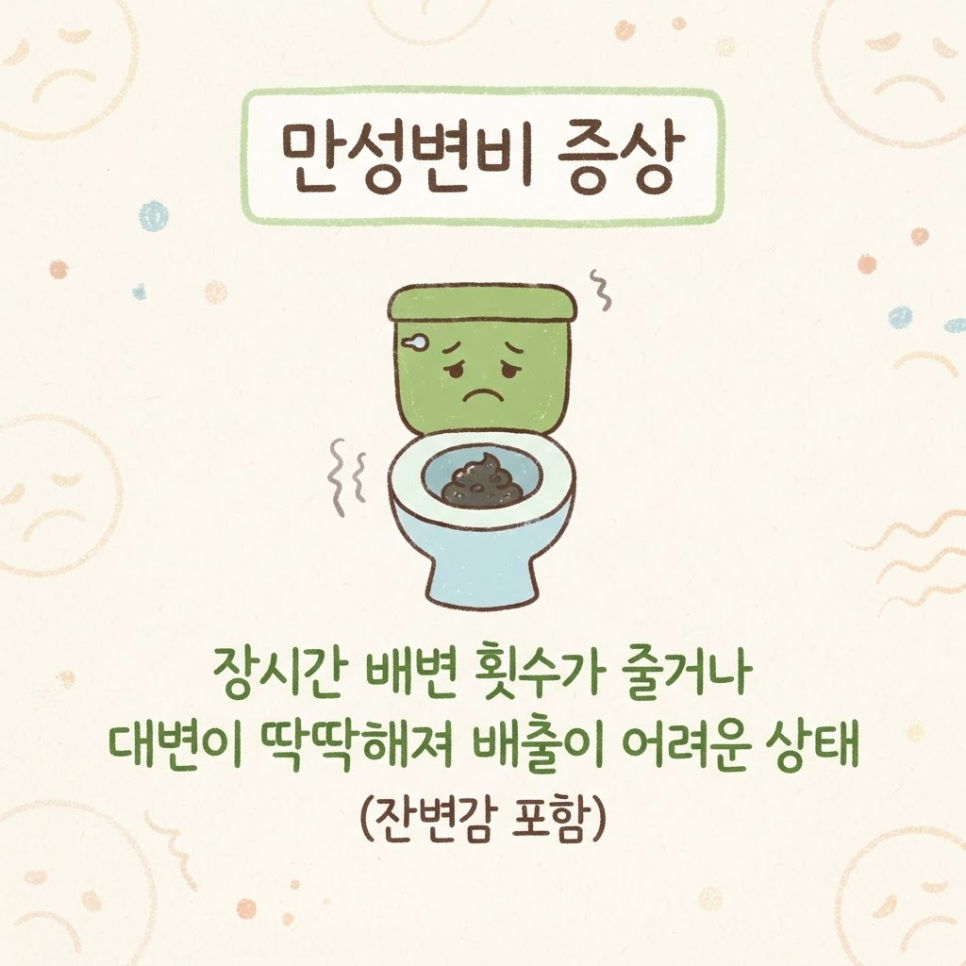
Chronic constipation is a prolonged state where stools become too hard to pass easily, or bowel movement frequency itself drops and stays low.
It’s not just about being unable to go — it also includes excessive straining, a sense of incomplete evacuation, and a feeling of anal blockage.
That’s why it’s worth taking an honest look at your own bowel habits first.
· According to the widely used Rome criteria, if you experience 2 or more of these six symptoms — reduced bowel frequency, hard stools, a sense of incomplete evacuation, excessive straining, and a feeling of anal blockage — starting 6 months ago and continuing for the past 3 months, it’s considered chronic constipation.
· If you need to strain excessively during at least 1 out of every 4 bowel movements, that can be a sign something’s off.
✅ You have fewer than 3 bowel movements a week
✅ Your stools are so hard they’re difficult to pass
✅ You still feel like you haven’t fully emptied your bowels afterward
✅ You have to strain excessively during bowel movements
✅ You feel like your anus is blocked
✅ You find it hard to have a bowel movement without manual assistance
How Should You Approach Chronic Constipation Treatment Based on Symptoms?
In short, the core of chronic constipation treatment is normalizing intestinal motility and restoring a regular bowel rhythm through lifestyle changes.
Chronic constipation treatment isn’t just about medication — it’s a comprehensive approach that also manages diet, hydration, and gut balance.
After trying several methods myself, I found that relying on medication alone leads to tolerance and recurring symptoms.
If you don’t address the root cause and instead skip meals or overuse medication,
it can actually worsen bowel function, so be careful.
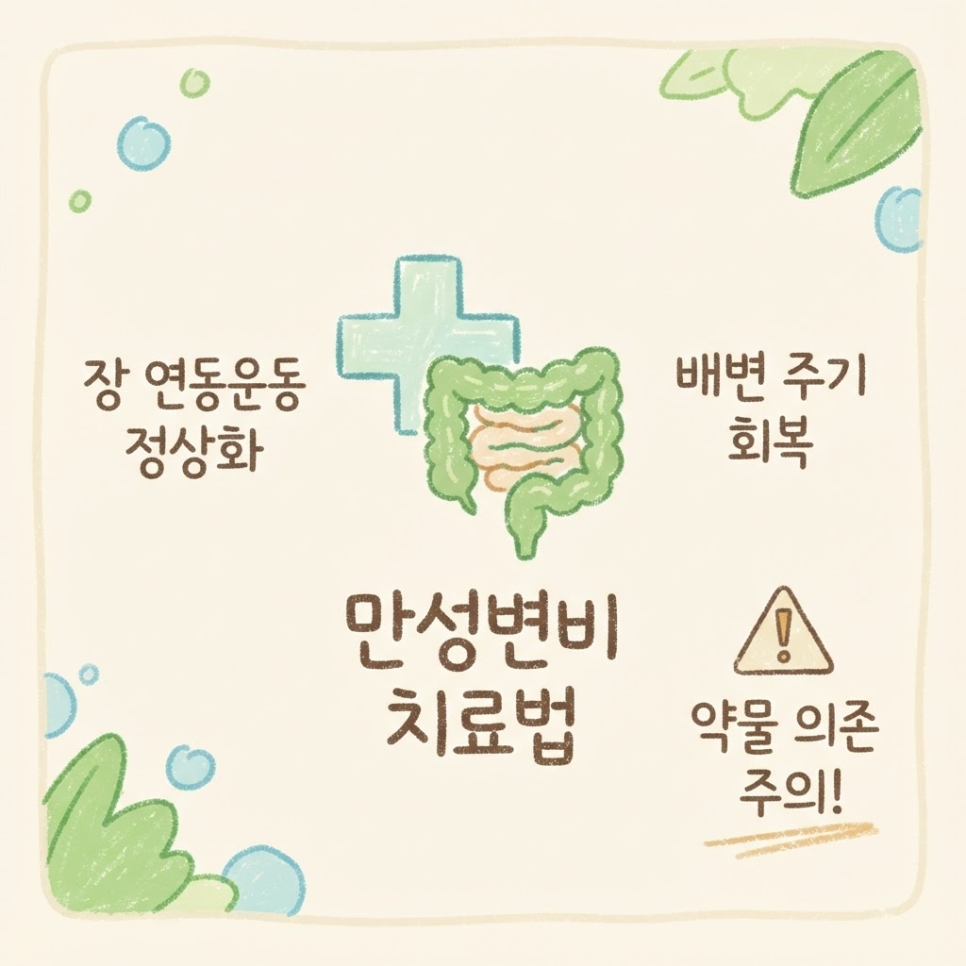
· To prevent declining bowel function, the first thing to avoid is long-term use of stimulant laxatives.
· The real foundation of chronic constipation treatment is combining fiber, hydration, probiotics, and a regular bowel routine.
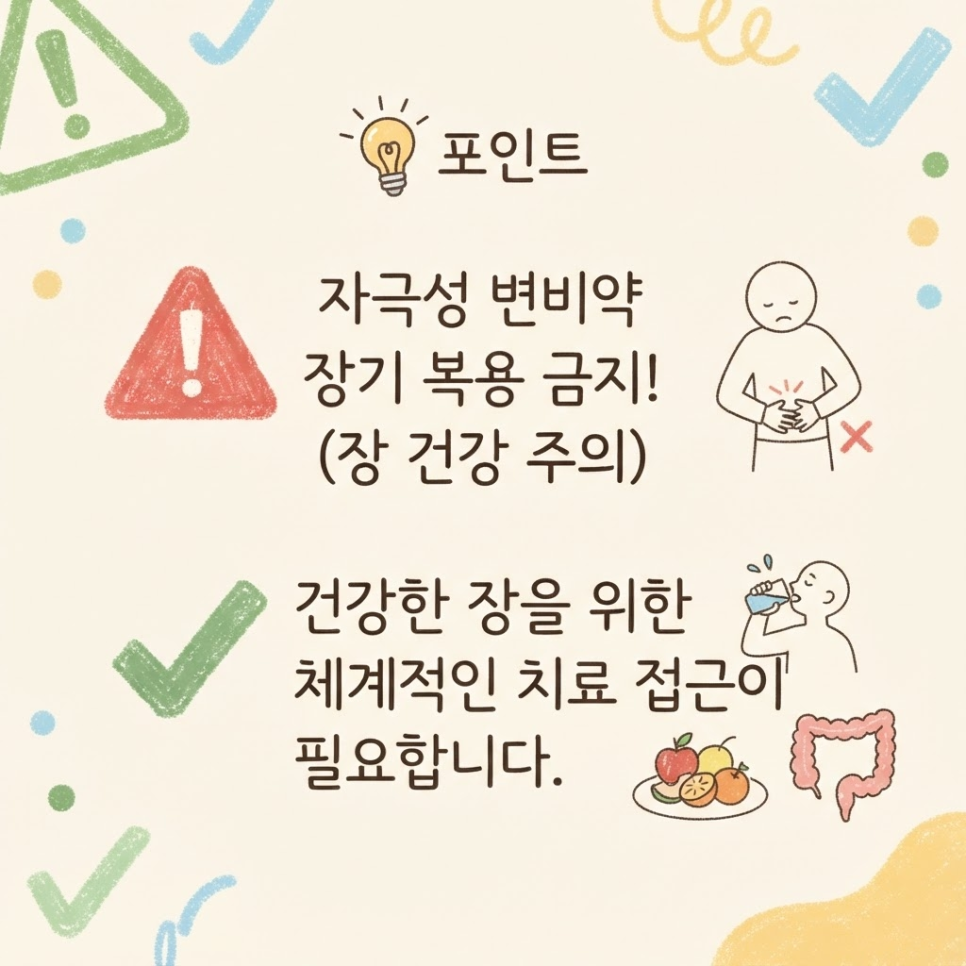
Long-term use of stimulant laxatives may damage the intestinal lining and lead to melanosis coli (colon darkening), as well as tolerance in which the bowel gradually loses its ability to move on its own.
It’s generally safer to avoid taking stimulant laxatives for more than 2 consecutive weeks.
How Do You Choose the Right Probiotics for Chronic Constipation?
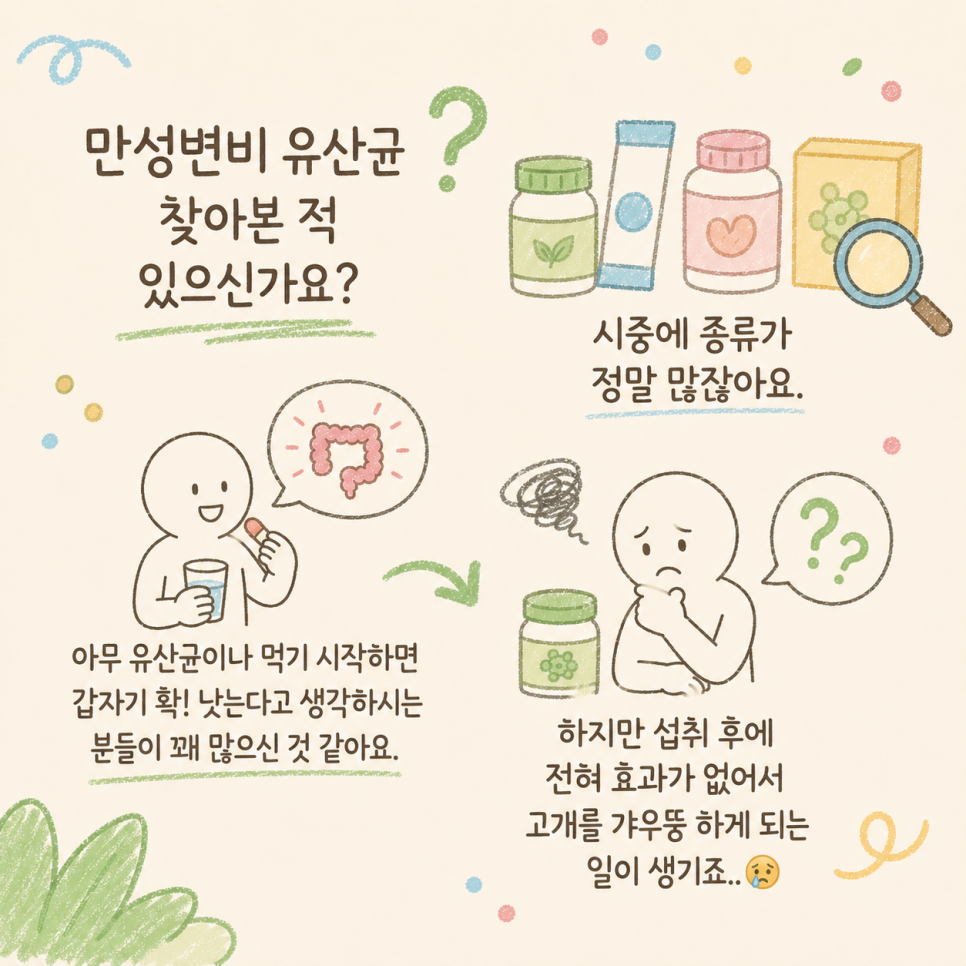
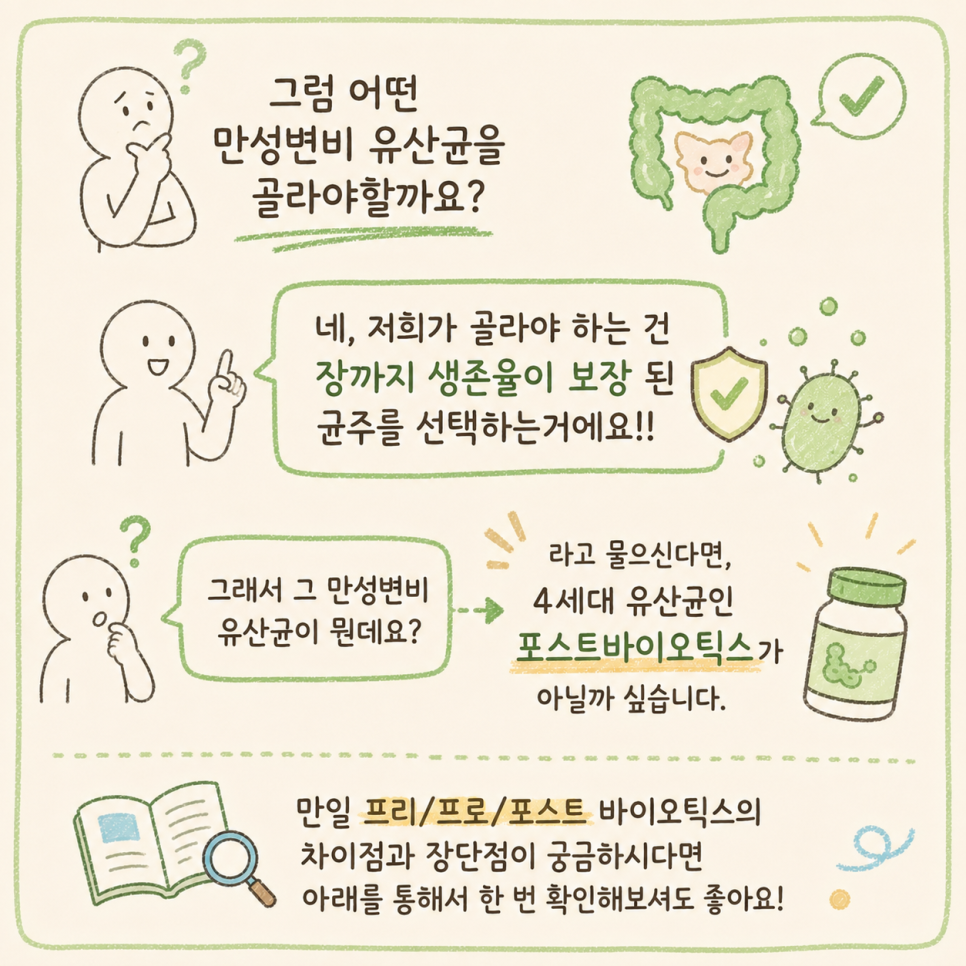
The answer is simple. Don’t just pick any probiotic — check whether the strain can actually survive to reach your gut alive.
With so many probiotic products on the market, many people assume that any of them will work right away.
But quite a few end up wondering why they don’t feel any effect after taking them.
How Are Postbiotics Different From Traditional Probiotics?
Postbiotics aren’t live bacteria — they’re a 4th-generation probiotic concept made from purified fermentation metabolites of probiotic bacteria.
Because they’re not significantly affected by stomach acid or temperature changes, they can reach the gut relatively stably.
Another advantage is that you don’t need to worry about survival rates, so they’re fine to take after meals.
If you’d like to learn more about probiotics and gut health, Kookmin Bio’s homepage has more helpful information.
What Foods Help Support Bowel Movement for Chronic Constipation?
In short, foods rich in fiber and water that increase stool bulk and stimulate the intestinal wall make ideal chronic constipation foods.
After changing my diet, my mornings definitely felt lighter.
A glass of water and fresh vegetables every day made a bigger difference than I expected.

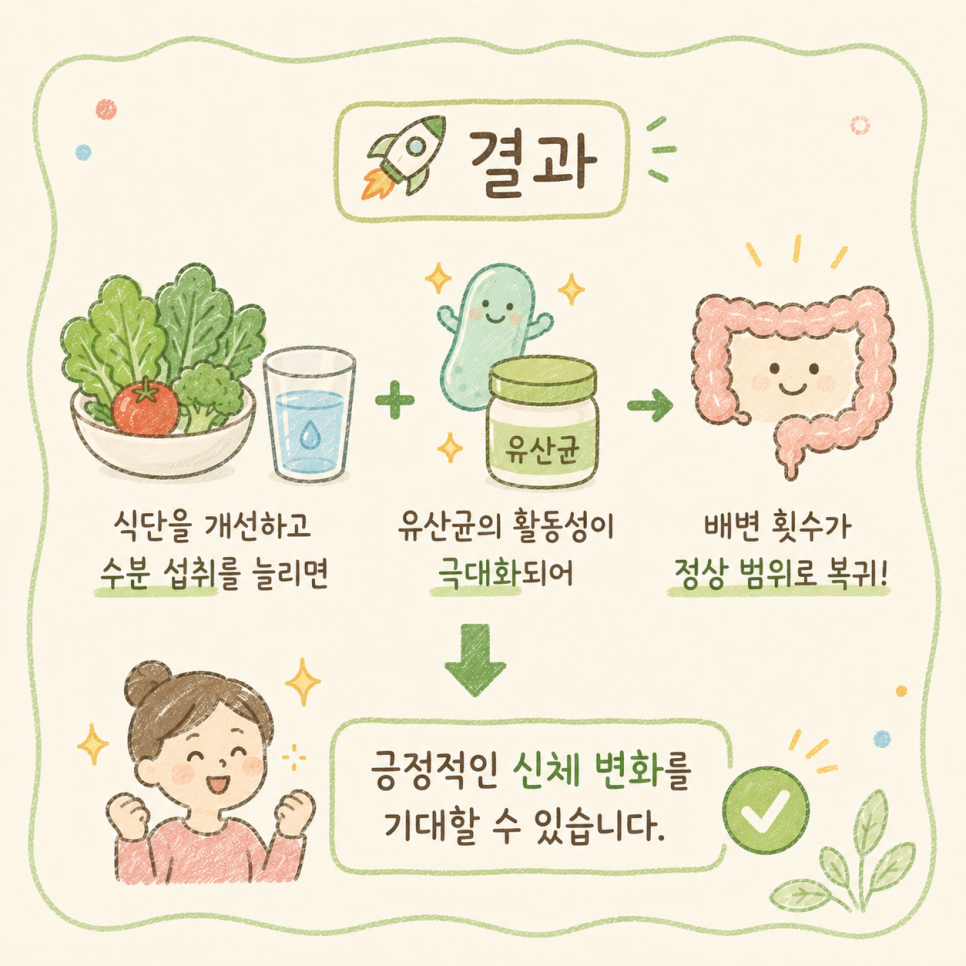
Improving your diet and increasing water intake can boost probiotic activity, helping bowel movement frequency return to a normal range.
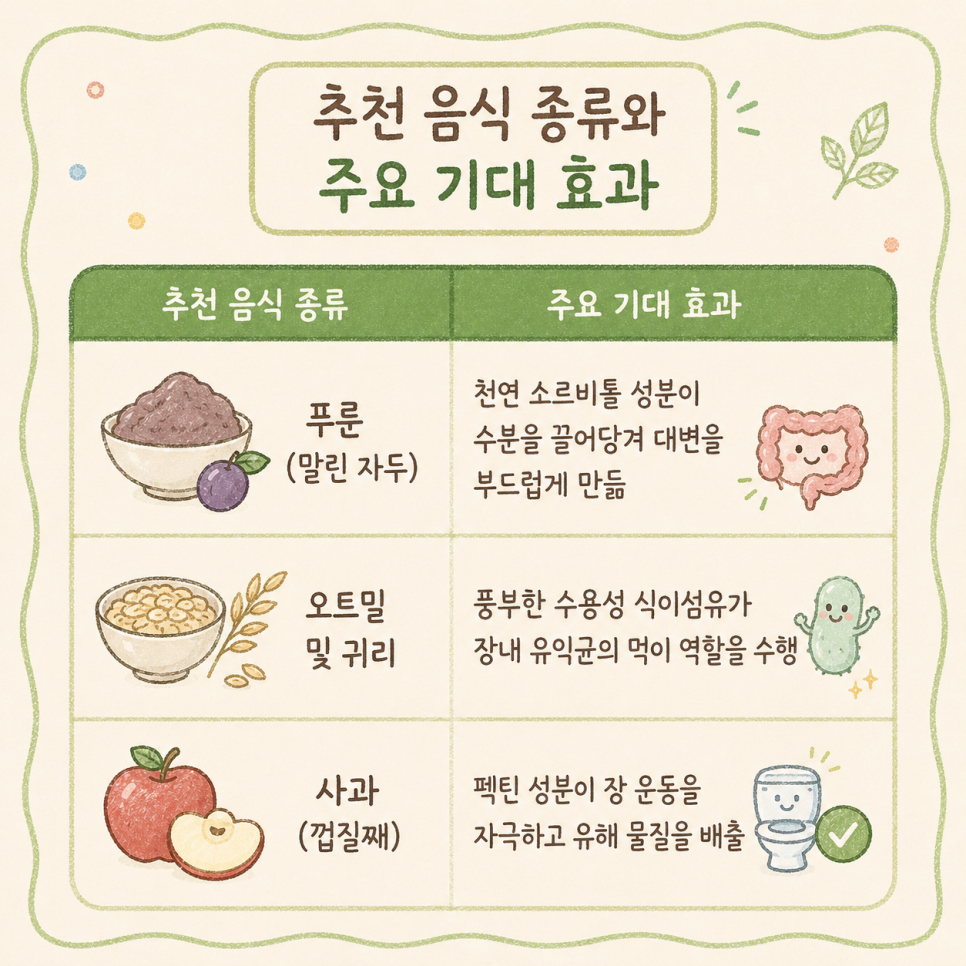
| Recommended Food | Key Expected Benefit |
|---|---|
| Prunes (dried plums) | Natural sorbitol draws water in through osmosis, helping soften stool |
| Oatmeal & oats | Rich in soluble fiber that feeds beneficial gut bacteria |
| Apples (with skin) | Pectin may help stimulate bowel motility and support beneficial bacteria |
Frequently Asked Questions
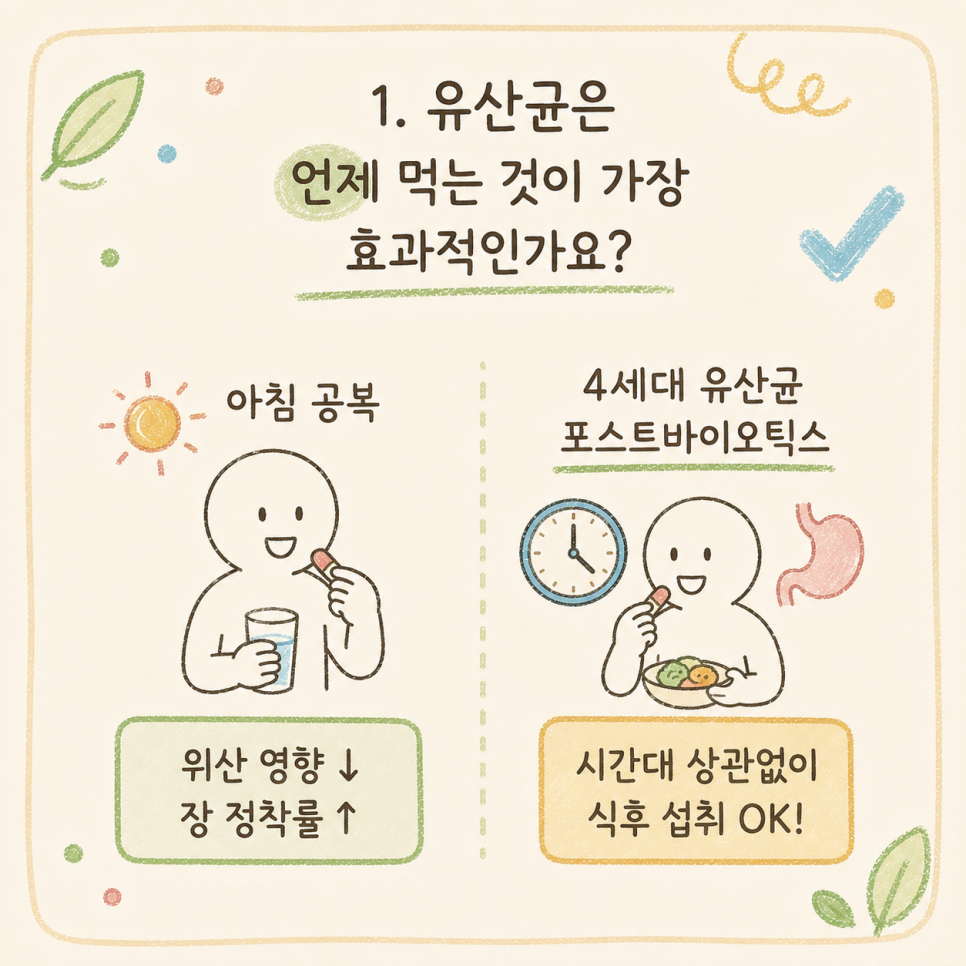
1. When is the best time to take probiotics?
Taking them on an empty stomach in the morning with plenty of water — when stomach acid has the least impact — may help improve gut colonization.
Postbiotics, however, are metabolite-based and less time-sensitive, so they’re fine to take after meals.
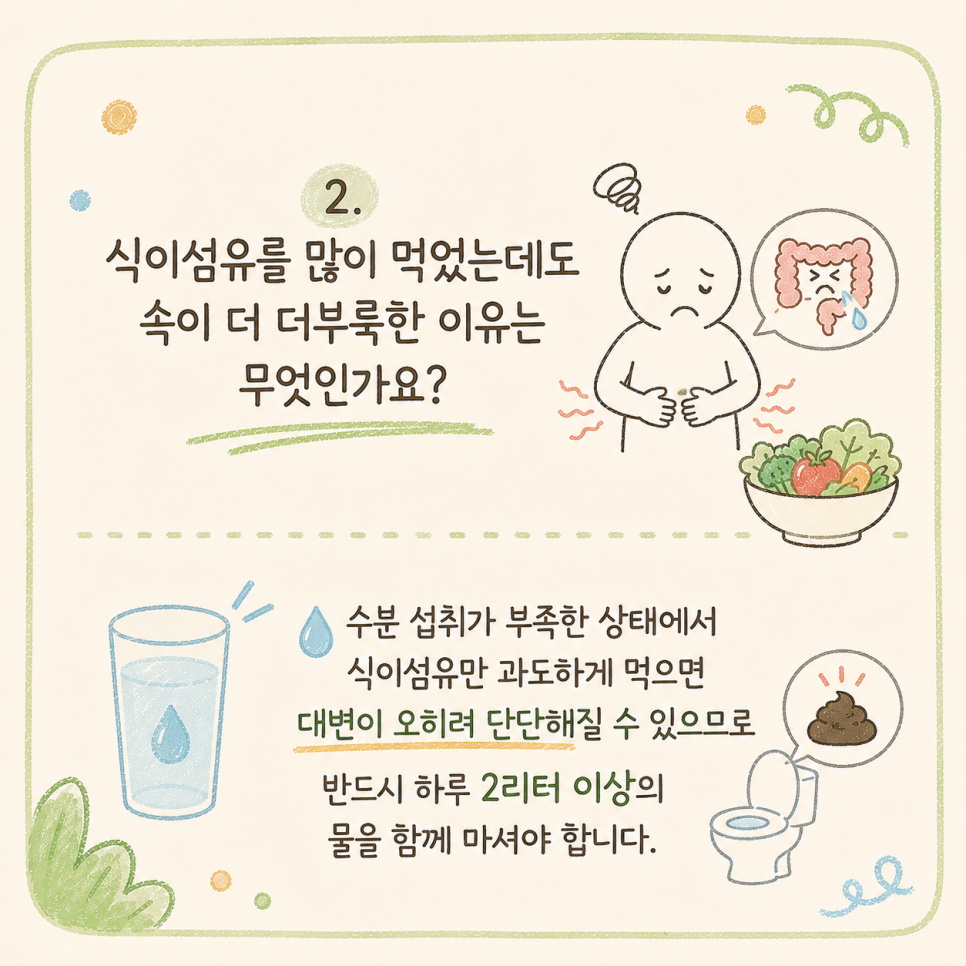
2. Why do I still feel bloated even though I’m eating plenty of fiber?
Eating a lot of fiber without drinking enough water can actually make your stool harder.
It’s important to drink at least 2 liters of water a day alongside your fiber intake.
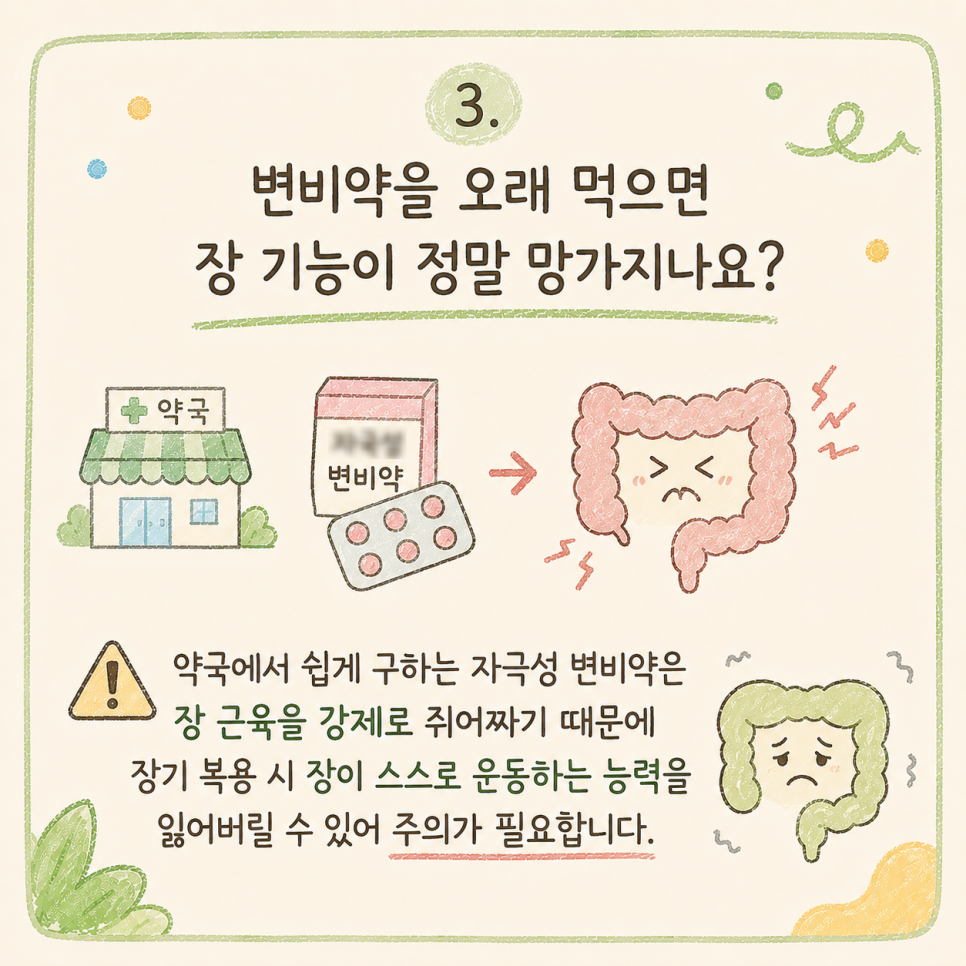
3. Does long-term use of constipation medication really harm bowel function?
Stimulant laxatives work by forcing the intestinal muscles to contract, so long-term use may cause the bowel to gradually lose its natural ability to move — caution is advised.
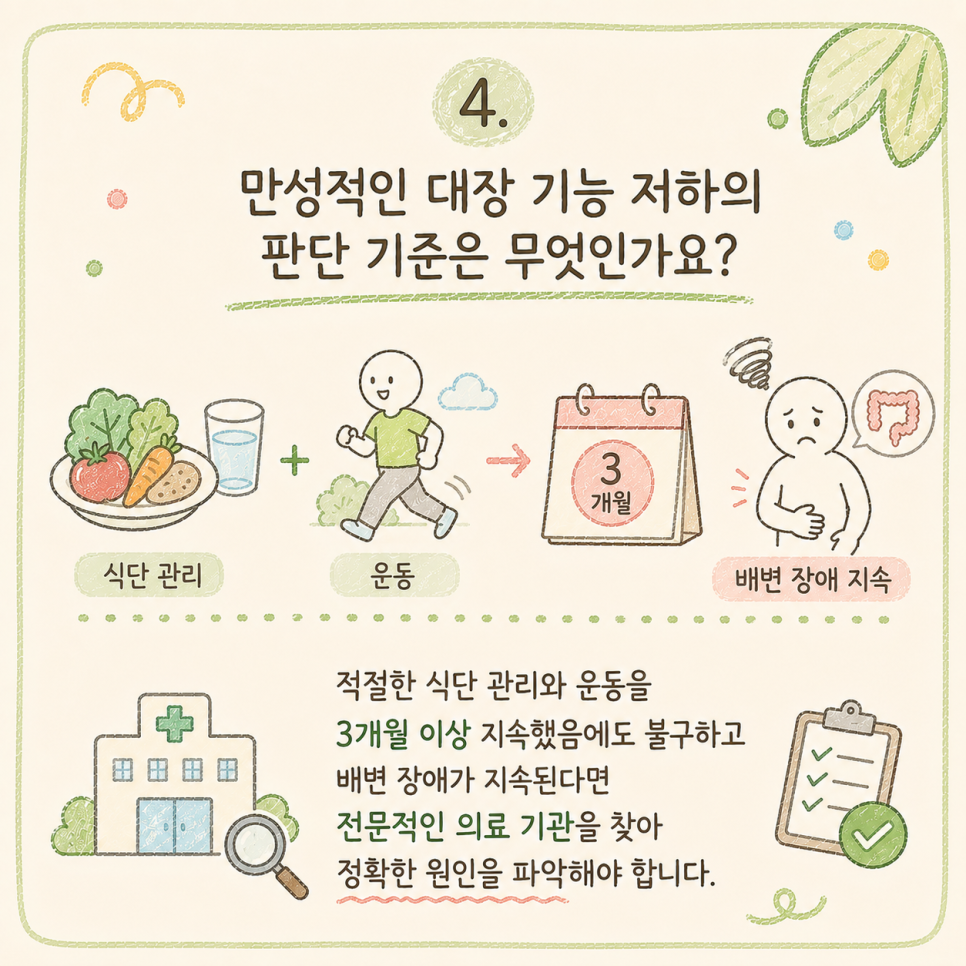
4. What’s the criteria for a chronic bowel disorder?
If bowel issues persist even after 3 or more months of diet management and exercise, it’s best to see a medical professional to identify the exact cause.
Lifestyle improvements should come first, but if you experience severe pain or bloody stools, seek a thorough medical examination immediately.
References
· Korea Disease Control and Prevention Agency (KDCA), “Constipation,” National Health Information Portal.View source
· The Kyunghyang Shinmun, “Dried Prunes Shown to Improve Bowel Function and Relieve Constipation,” 2015.View source
· Hidoc (provided by St. Carollo Hospital), “Taking Laxatives the Wrong Way Can Darken the Colon — What’s the Right Way to Manage Constipation?”View source
· Hidoc, “The Benefits of Apples: 10 Reasons to Eat an Apple Every Day.”View source
This article is intended for general health information purposes only and is not a substitute for professional diagnosis or treatment. Please consult a physician if you have health concerns.