Sometimes you sit on the toilet for what feels like forever,
and nothing happens.
Your stomach feels heavy and bloated,
and even when you push, nothing comes out.
When that happens, it’s worth checking your posture first.
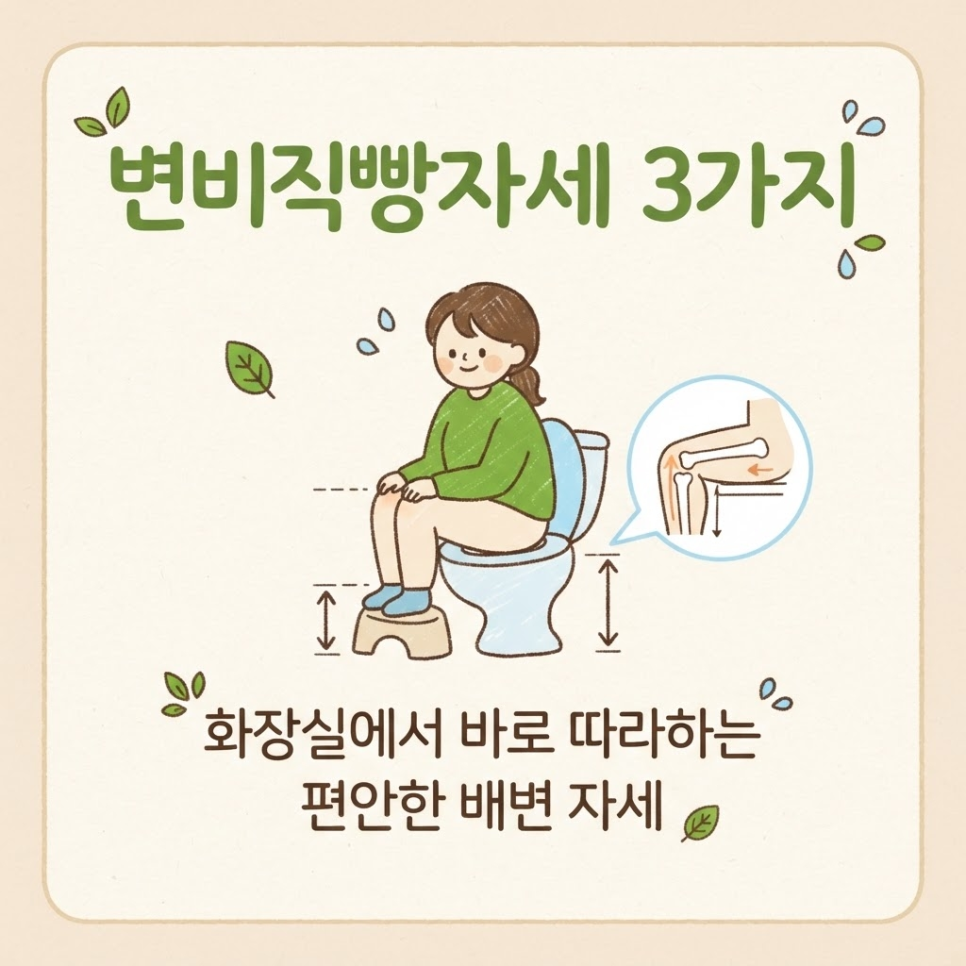
A simple footstool can help you find the constipation relief position,
and it can make a bigger difference than you’d expect.
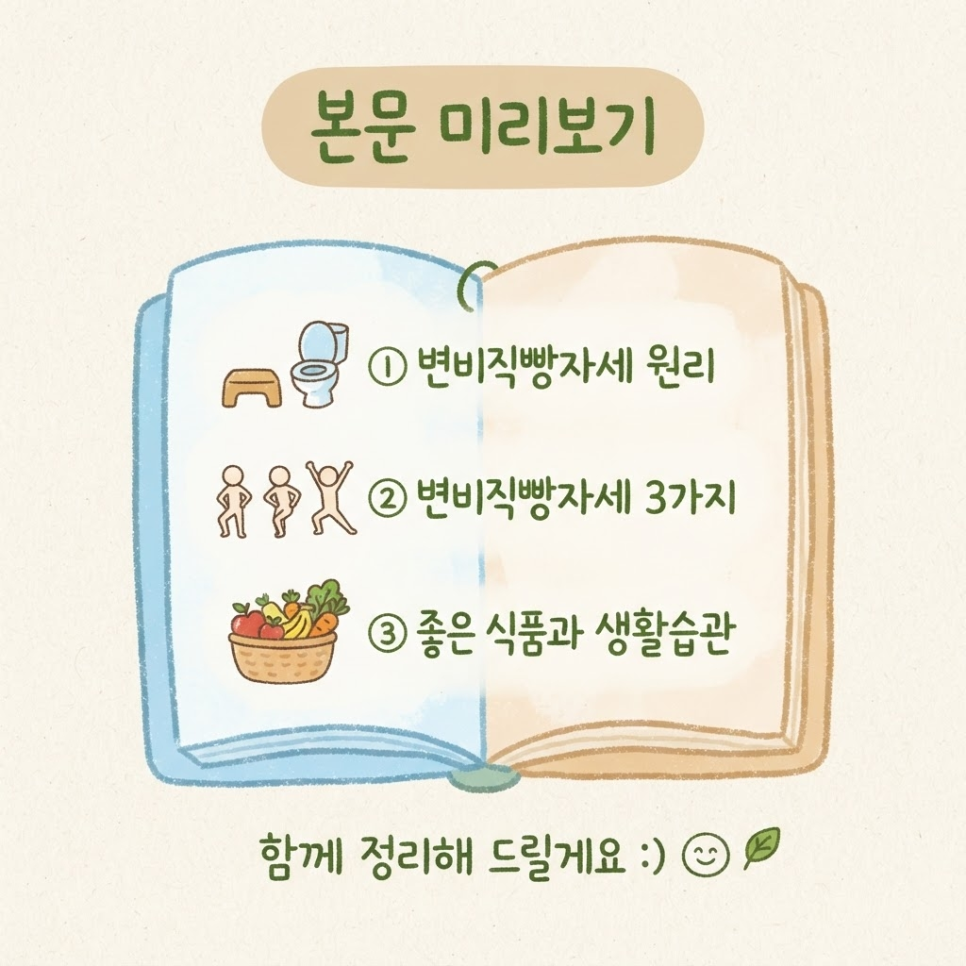
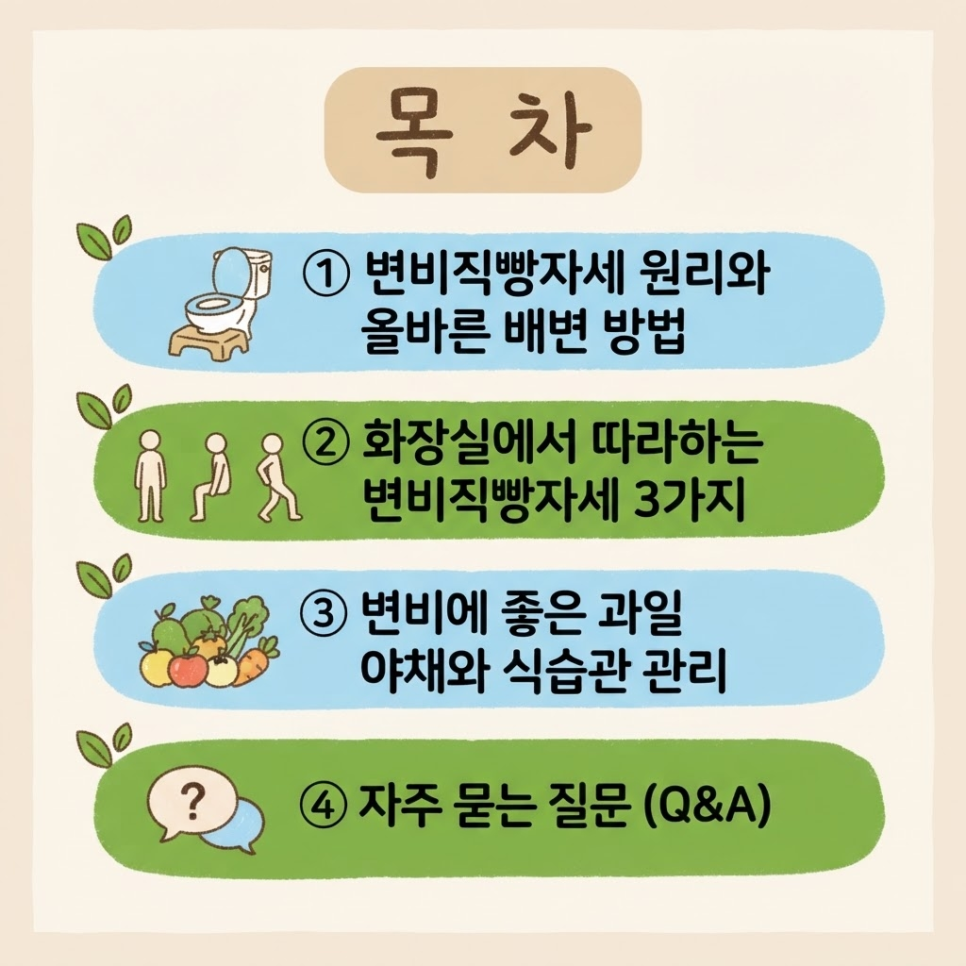
This article covers 3 constipation relief positions you can try right on the toilet, along with the science behind why they work.
We’ve also rounded up fruits and vegetables that help with constipation and lifestyle habits that support healthy digestion.
If you’ve ever sat on the toilet for a long time struggling to go,
you know exactly how frustrating it feels.
Your stomach feels heavy and gassy,
and if you can’t fully empty your bowels,
it leaves you feeling uncomfortable all day.
If pushing just doesn’t seem to work,
it may be worth taking a closer look
at your posture during bowel movements.
I used to just push as hard as I could,
only to end up feeling even more backed up.
But once I started using a footstool and changed my posture,
it made a noticeable difference.
Let’s take a closer look at why this position works,
which fruits and vegetables help with constipation,
and what lifestyle habits support good gut health.
What Is the Constipation Relief Position, and Why Does It Work?
The constipation relief position refers to a posture where your knees are raised higher than your hips during a bowel movement, which helps relax the puborectalis muscle.
When you sit on a standard toilet, your hips and knees end up at roughly the same height,
which keeps the puborectalis muscle tense and can make it harder to have a bowel movement.

Placing a small footstool under your feet mimics a squatting position,
which helps straighten the colon for easier passage.
In fact, one study found that a group who had bowel movements in a squatting position
finished in an average of 51 seconds,
while those using a standard sitting position
took more than 2 minutes.
Leaning your upper body slightly forward
and keeping your feet stably supported
can help you avoid straining too hard.
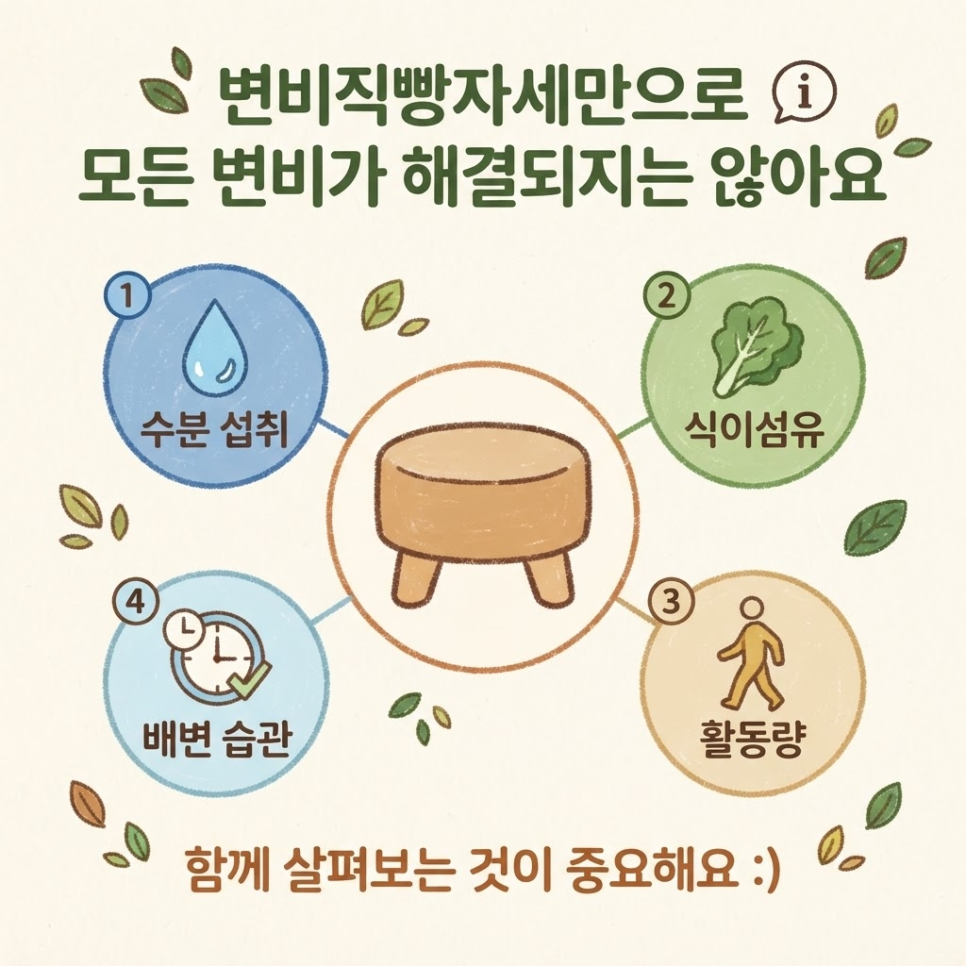
That said, this position alone won’t resolve every case of constipation.
If constipation keeps recurring, it’s important to also look at your water and fiber intake, activity level, and overall bowel habits.
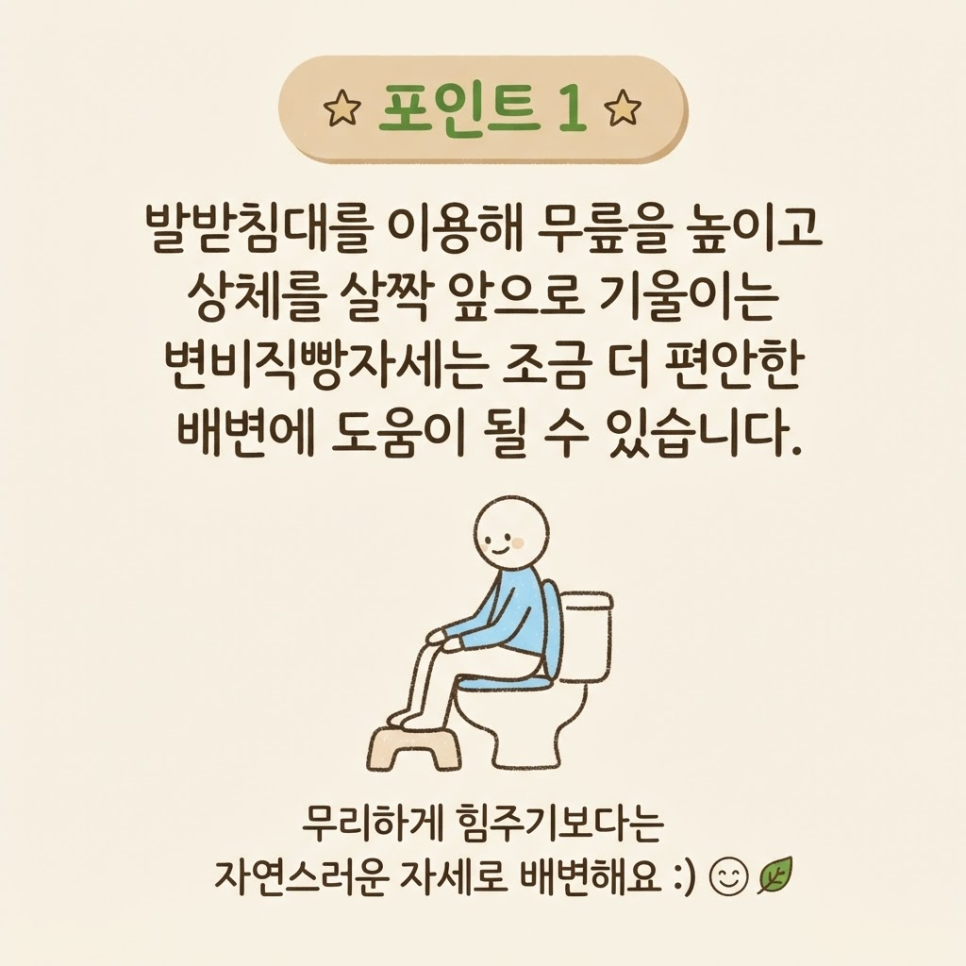
Using a footstool to raise your knees and leaning your upper body slightly forward — the constipation relief position — may help make bowel movements more comfortable.
Instead of straining hard, try to find a posture that lets you go naturally.
3 Constipation Relief Positions You Can Try Right on the Toilet
For all three positions,
the goal isn’t to hit an exact angle —
it’s to find what feels comfortable and doesn’t strain your body.
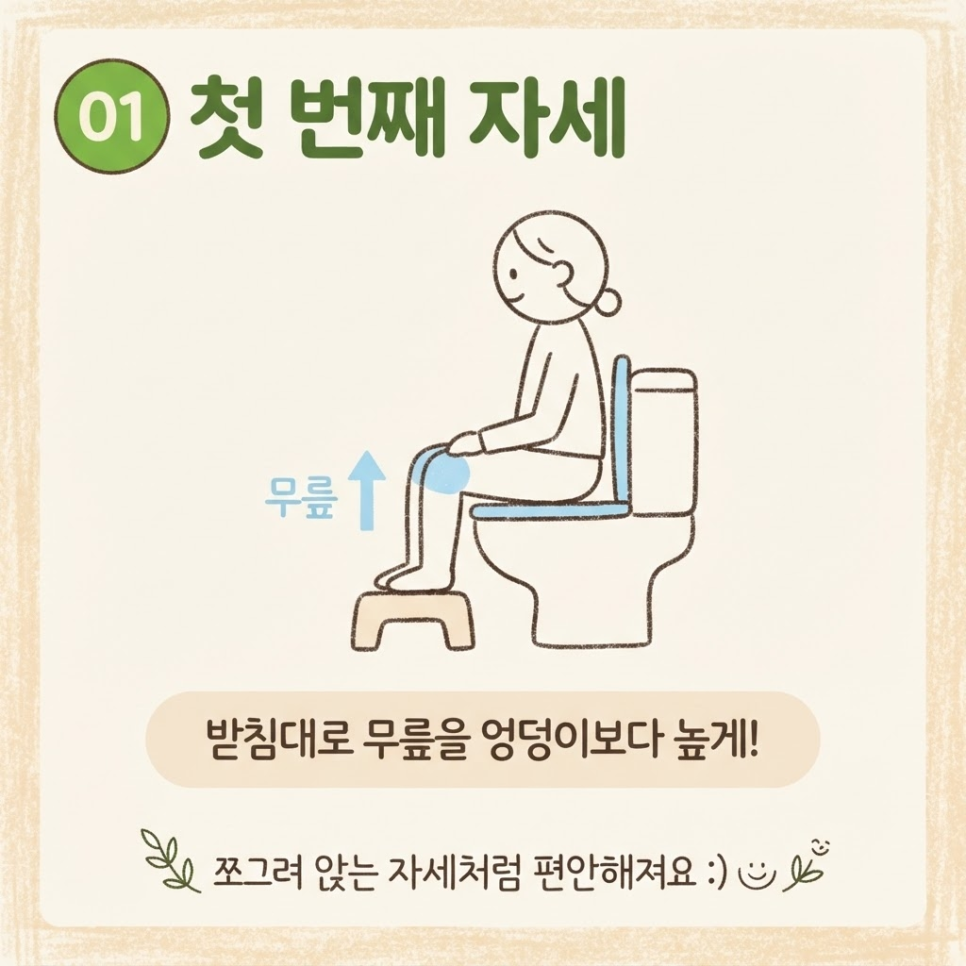
- ① Raise Your Knees With a Footstool — Place a stool under your feet to raise your knees above your hips. This mimics a squatting position and makes bowel movements noticeably easier.
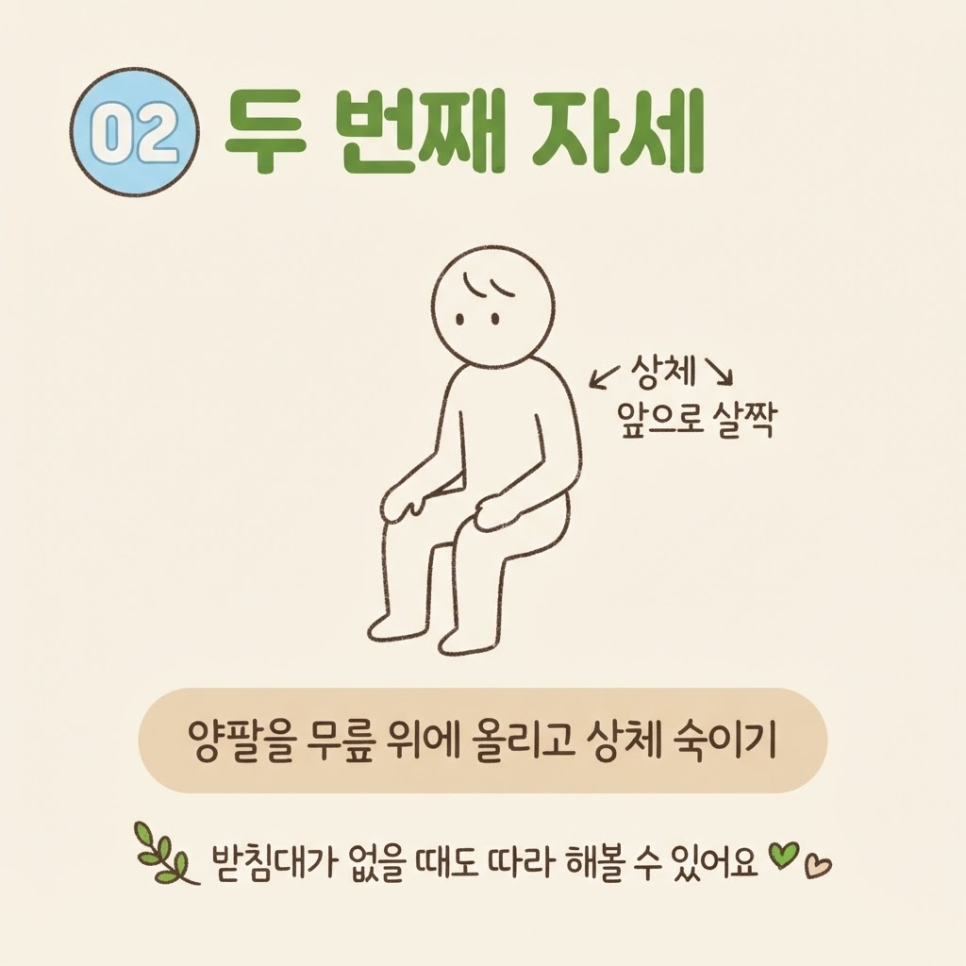
- ② Lean Your Upper Body Forward — Rest your arms comfortably on your thighs or knees and lean your upper body slightly forward. This works even without a footstool.
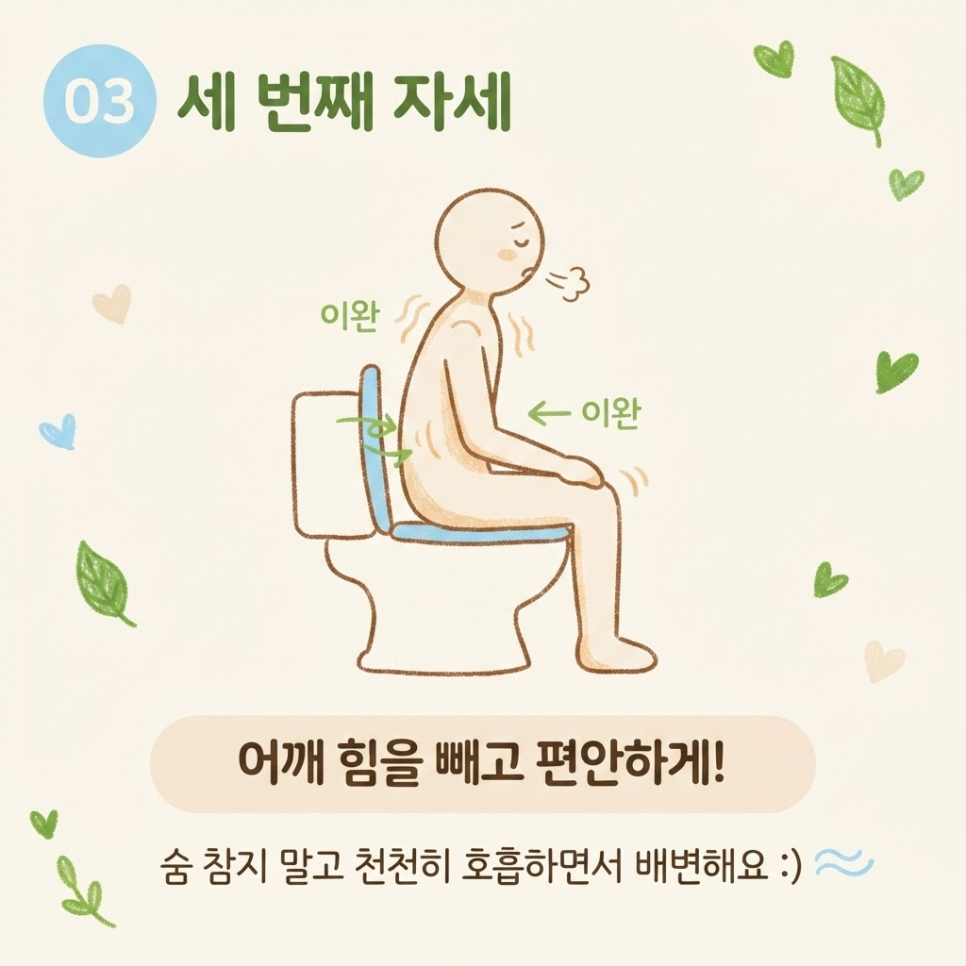
- ③ Relax and Breathe Slowly — Release tension in your lower back and shoulders, relax your body, and try breathing slowly instead of holding your breath while going.
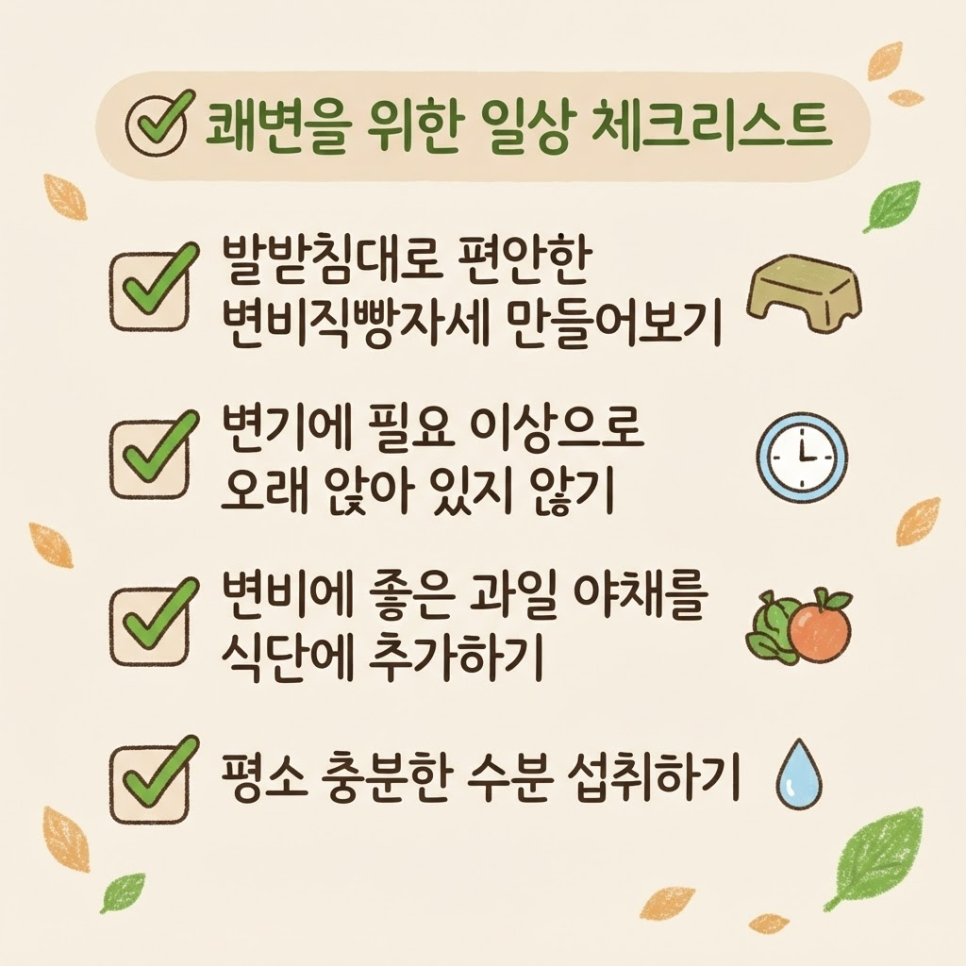
✅ Try a footstool for a more comfortable bowel position
✅ Avoid sitting on the toilet longer than necessary
✅ Add a variety of fruits and vegetables that help with constipation to your diet
✅ Stay well hydrated throughout the day
What Fruits and Vegetables Help With Constipation?
Fruits and vegetables that help with constipation are foods high in dietary fiber that may support colon activity and bowel movements.
Common options include kiwi, apples, and prunes, as well as vegetables like cabbage and spinach.
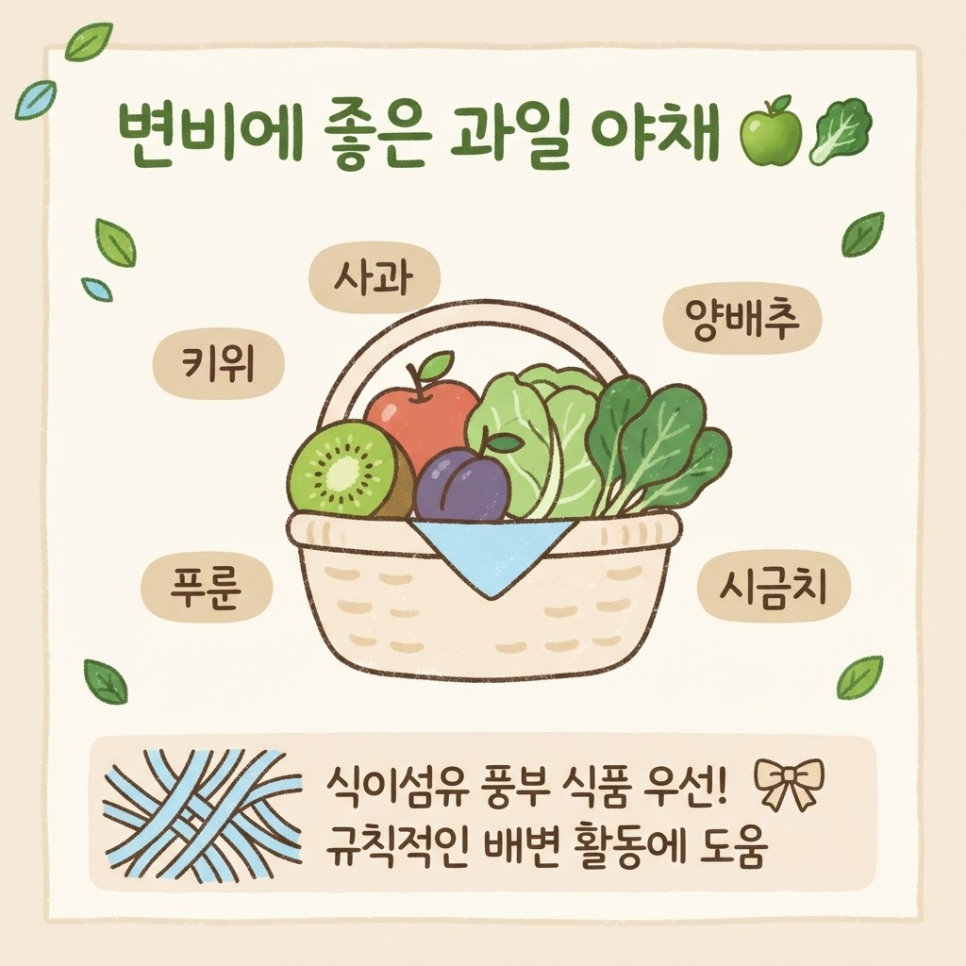
| Food | Key Components | Notes |
|---|---|---|
| Kiwi | Dietary fiber, actinidin | May help improve bowel movement frequency and stool consistency |
| Prunes (dried plums) | Dietary fiber, sorbitol | Draws water into the stool to soften it |
| Apples | Pectin, dietary fiber | Eating the skin increases fiber intake |
| Cabbage | Dietary fiber, vitamin U | May help support gut lining health |
| Spinach | Dietary fiber, magnesium | Provides minerals that support bowel motility |

That said, eating a large amount all at once
may actually cause gas or bloating,
so it’s best to increase your intake gradually.
When adding fruits and vegetables that help with constipation to your diet,
make sure to also drink enough water.
Eating plenty of fiber without enough water
can actually make bowel movements more uncomfortable.
On top of that, try to walk or move your body regularly,
and avoid holding it in too long
whenever you feel the urge to go.
Increasing your fiber intake too quickly can cause gas or bloating.
Try adding just 3 to 5 servings of fruits and vegetables that help with constipation per day, increasing gradually, and be sure to drink plenty of water alongside them.
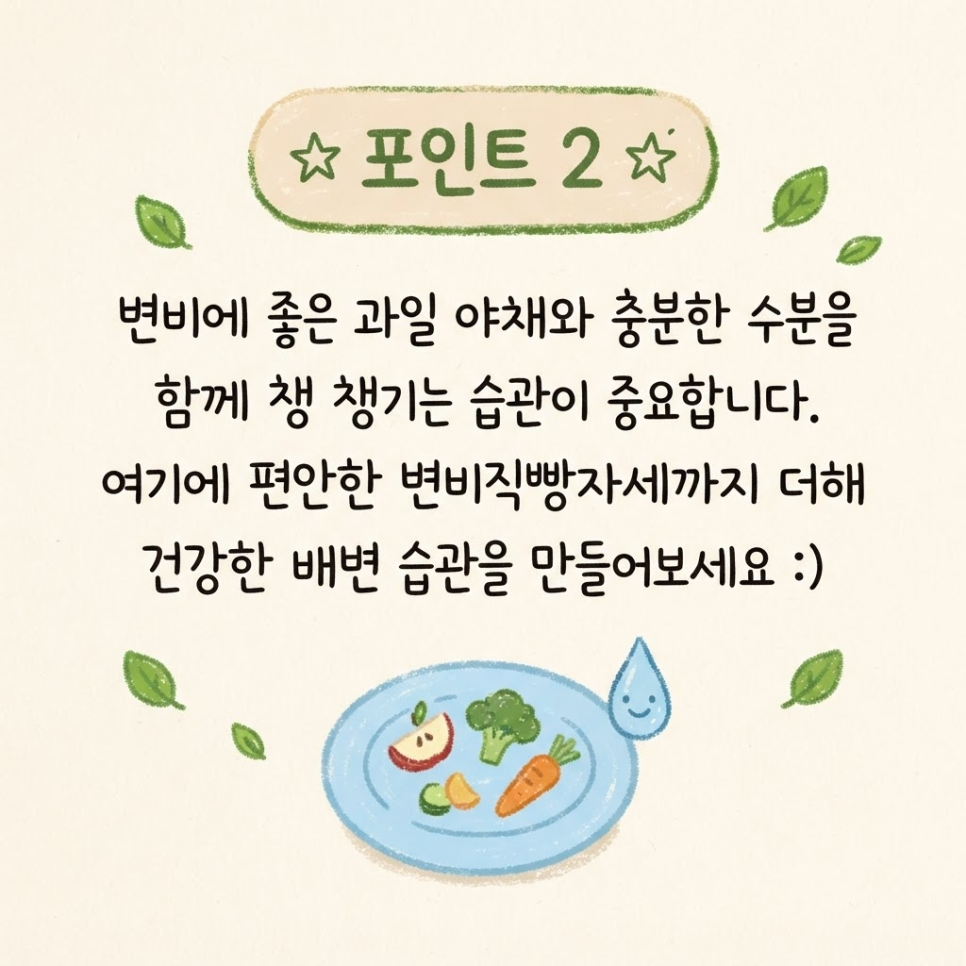
Combining the constipation relief position with fiber-rich fruits and vegetables and adequate water intake may help you build more regular bowel habits over time.
If you’re curious about probiotics or health supplements that can support everyday gut health, check them out on the Kookmin Bio homepage.
Frequently Asked Questions
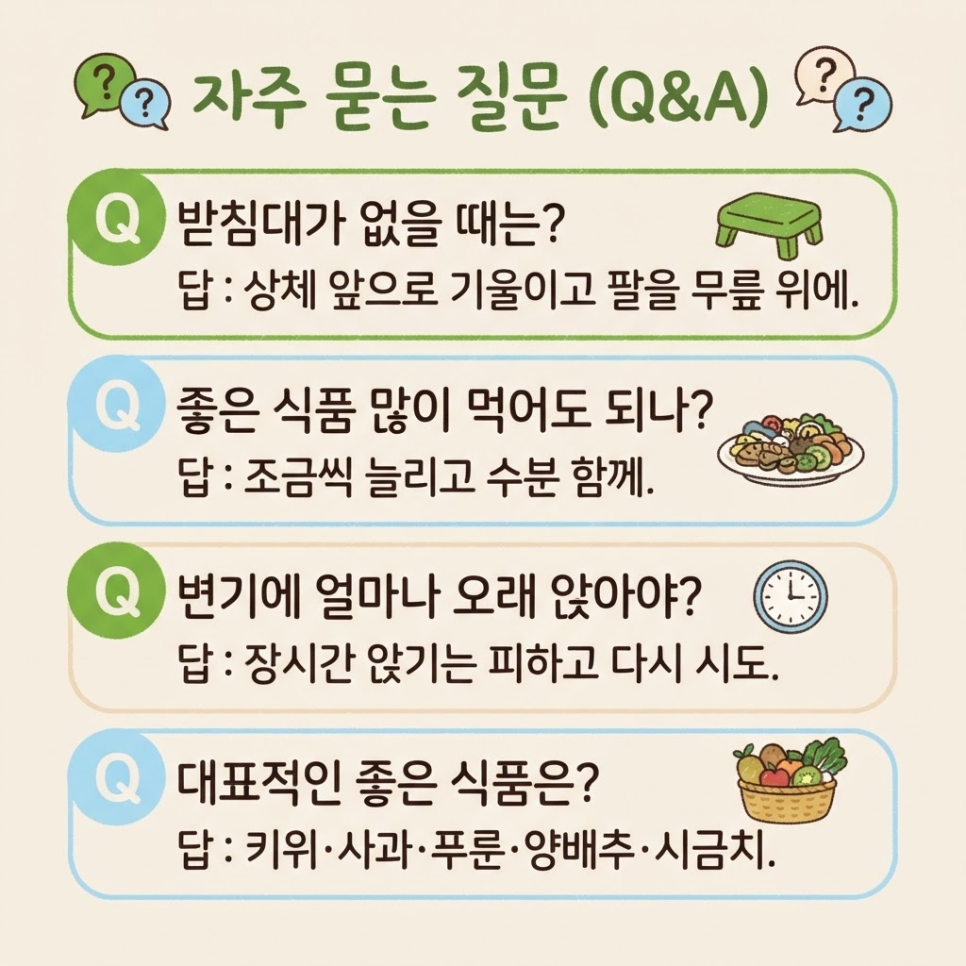
1. What if I don’t have a footstool — how can I still do the constipation relief position?
Lean your upper body slightly forward and rest your arms comfortably on your thighs or knees. It’s better to relax your body than to strain hard.
2. Is it okay to eat a lot of fruits and vegetables that help with constipation?
Increasing your fiber intake too quickly can cause gas or bloating. It’s best to increase your intake gradually while also drinking plenty of water.
3. How long should I sit on the toilet?
It’s best to avoid sitting for long periods or continuously straining during a bowel movement. If nothing happens, try getting up for a bit and trying again once you feel the urge.
4. What are some common fruits and vegetables that help with constipation?
You can use fruits like kiwi, apples, and prunes, along with vegetables like cabbage and spinach. Rather than focusing on just one food, eat a variety and be sure to stay well hydrated.
References
· Sikirov D., 「Comparison of Straining During Defecation in Three Positions: Results and Implications for Human Health」, Digestive Diseases and Sciences, 2003. View source
· Attaluri A. et al., 「Randomised clinical trial: dried plums (prunes) vs. psyllium for constipation」, Alimentary Pharmacology & Therapeutics, 2011. View source
· Hidoc, 「Kiwi and Psyllium Husk Shown Effective for Chronic Constipation — UK Team Presents First Evidence-Based Guidelines」, 2025. View source
This article is intended for general health information purposes only and is not a substitute for individual diagnosis or treatment. Please consult a healthcare professional if you have any health concerns.