Some people seem to eat just as much as everyone else without ever gaining weight.
That enviable body type usually isn’t just genetics — more often than not, it comes down to daily habits.
I used to think those people were just naturally built that way.
It turns out a fast metabolism has clear, shared causes, from muscle mass to sleep habits.
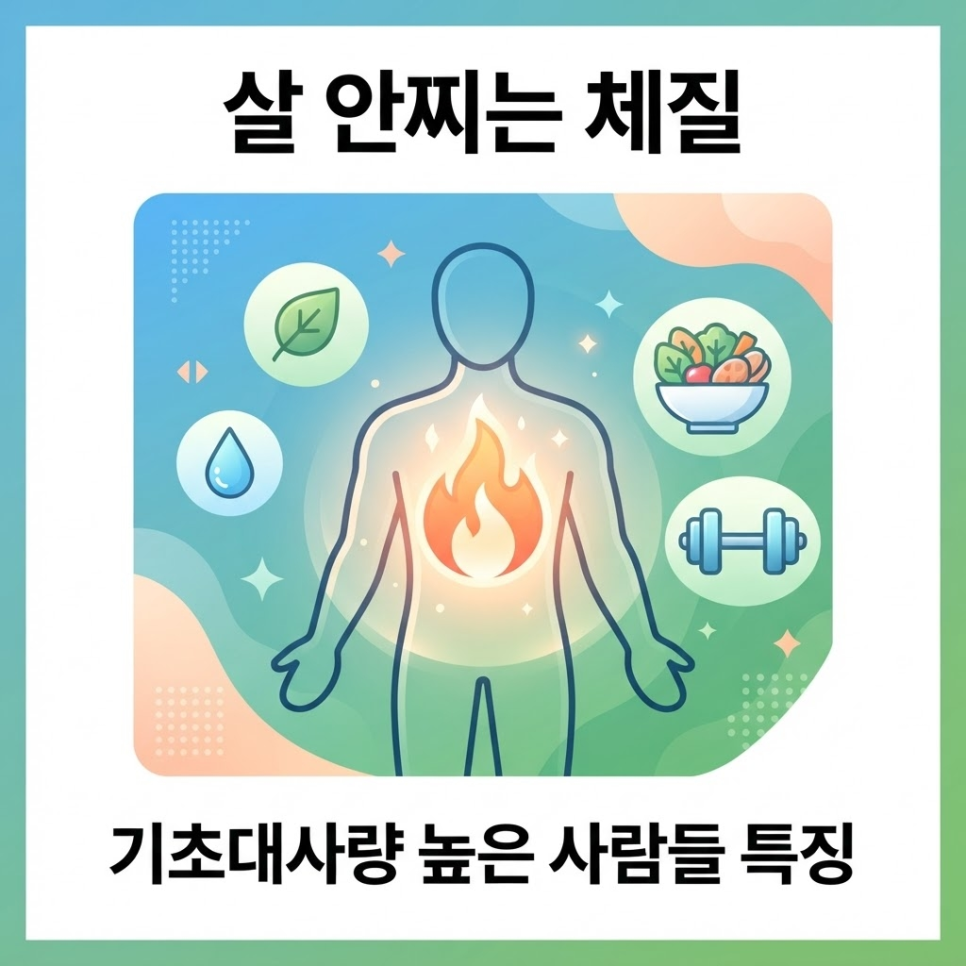
This article breaks down 5 signs of a fast metabolism, covering how basal metabolic rate works along with activity level, eating habits, and sleep.
Read through each one and start applying them to your daily routine today.

Does Muscle Mass Really Affect Basal Metabolic Rate?

The short answer: the more muscle mass you have, the easier it is to maintain a higher basal metabolic rate (BMR).
BMR refers to the minimum amount of energy your body uses at rest just to maintain body temperature and keep your organs functioning.
Muscle tissue burns energy even while you’re resting.
So if you have more muscle mass, your weight may fluctuate less even when you eat the same amount as someone else.
That said, muscle’s share of your overall BMR isn’t as dramatic as it might seem.
Research suggests that 1kg of muscle burns about 13 kcal per day, while 1kg of fat burns roughly 4.5 kcal.
The difference per kilogram is small, but it adds up as you build more muscle over time.
· 1kg of muscle burns more calories than 1kg of fat.
· More muscle mass helps maintain a higher basal metabolic rate.
· Extreme fasting may actually lead to muscle loss.
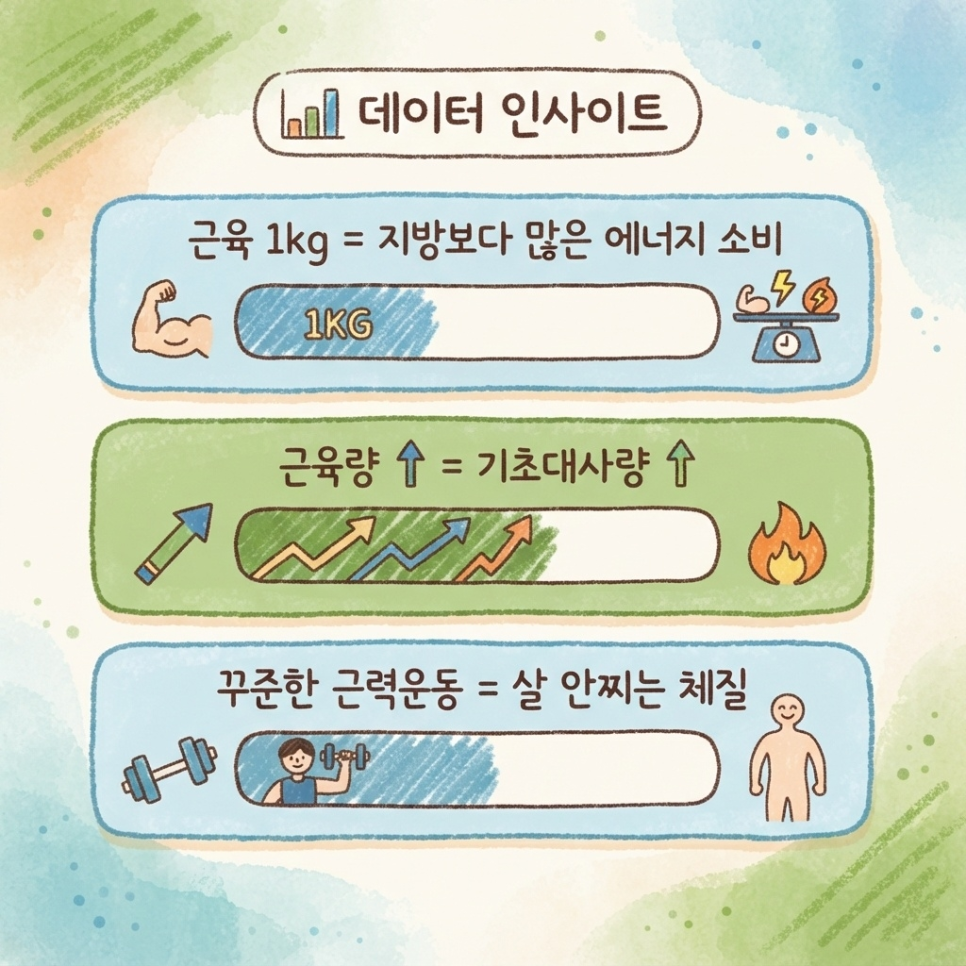
Since I started strength training, managing my weight has become much easier.
On the other hand, repeated crash diets involving extreme food restriction can cause muscle loss, moving you further away from a fast-metabolism body type.
✅ Consistent strength training may help maintain your basal metabolic rate.
✅ Preserving muscle mass is one of the key factors in weight management.
Do People Who Stay Lean Really Move More Throughout the Day?

Yes, everyday movement can make a bigger difference than you might think.
NEAT (non-exercise activity thermogenesis) refers to the energy you burn through daily activities like walking or taking the stairs, rather than formal exercise.
Even without a dedicated workout, people who walk often and stay physically active throughout the day naturally tend to burn more calories.
These small movements add up and may help support a fast-metabolism body type over time.
After I started taking the stairs instead of the elevator and going for a 10-minute walk after meals, I noticed my body felt noticeably lighter.
✅ Take the stairs instead of the elevator
✅ Take a light 10-20 minute walk after meals
✅ Stretch every hour if you sit for long periods

Can Changing Your Eating Habits Alone Help You Stay Lean?

Eating regularly and slowly can support healthy weight management on its own.
A fast-metabolism body type is often linked to regular eating habits, chewing slowly, and cutting back on binge eating and late-night snacking.
Eating too quickly makes it easy to overeat before your brain registers that you’re full.
Chewing slowly, on the other hand, may help you feel full sooner even when eating the same amount, which can reduce overeating.
A review of multiple studies found that people who ate slowly tended to consume fewer calories overall than those who ate quickly.
Severely restricting food intake or repeatedly binge eating for weight loss may lower your basal metabolic rate.
Regular, consistent eating habits are one of the most important factors in healthy weight management.

Do Sleep and Water Intake Also Affect a Fast Metabolism?
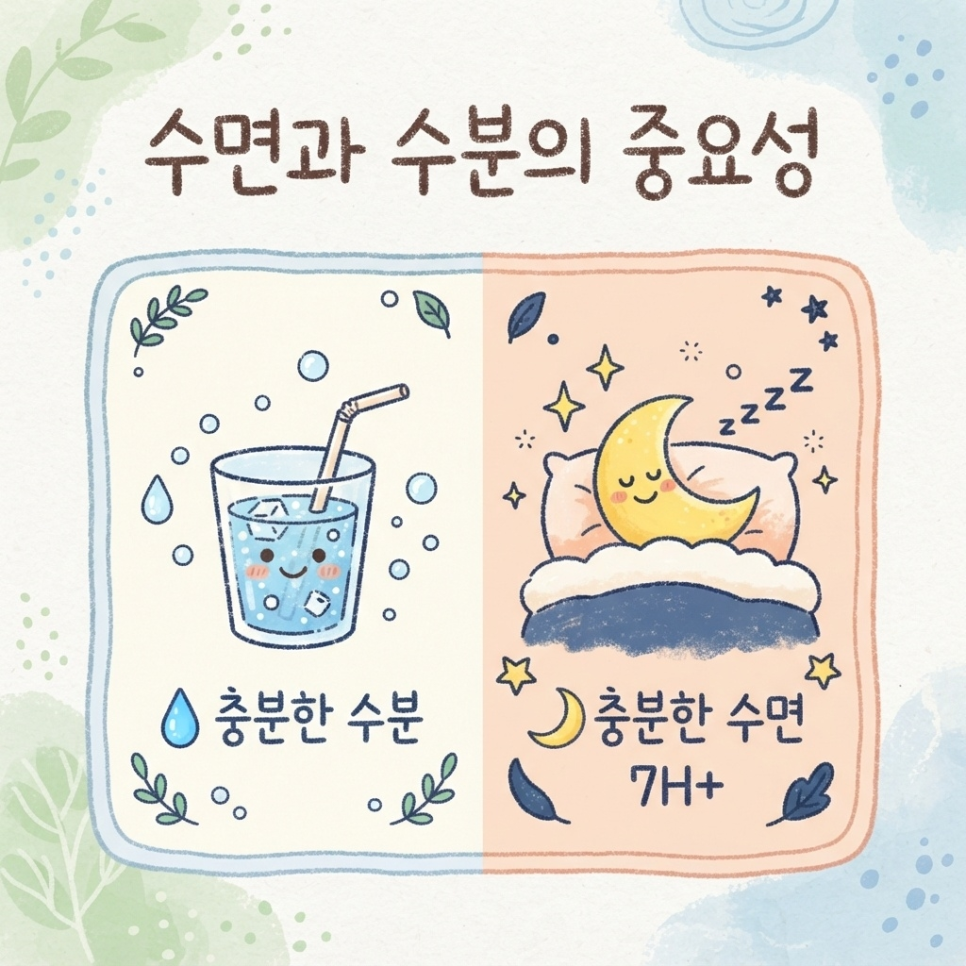
Yes, lack of sleep can throw off the balance of appetite hormones and may lead to overeating.
Ghrelin increases appetite while leptin promotes feelings of fullness, and this balance can be disrupted when you don’t get enough sleep.
In one small study, participants who slept only 4 hours a night saw their leptin levels drop by an average of 18% and ghrelin rise by 28% after just two days.
That’s why getting at least 7 hours of sleep a night may have a positive effect on weight management.
Drinking enough water also helps support circulation and overall metabolic function.
· Drinking a glass of lukewarm water first thing in the morning may help you start your day off right.
· Getting at least 7 hours of sleep is important for keeping appetite hormones in balance.
· Staying hydrated is a basic requirement for healthy metabolic function.

Fast-Metabolism Habits You Can Start Today

A fast-metabolism body type isn’t built overnight.
What matters most isn’t some special trick, but sticking with small habits consistently.
For more information on improving your body composition and overall health, visit the Kookmin Bio homepage.
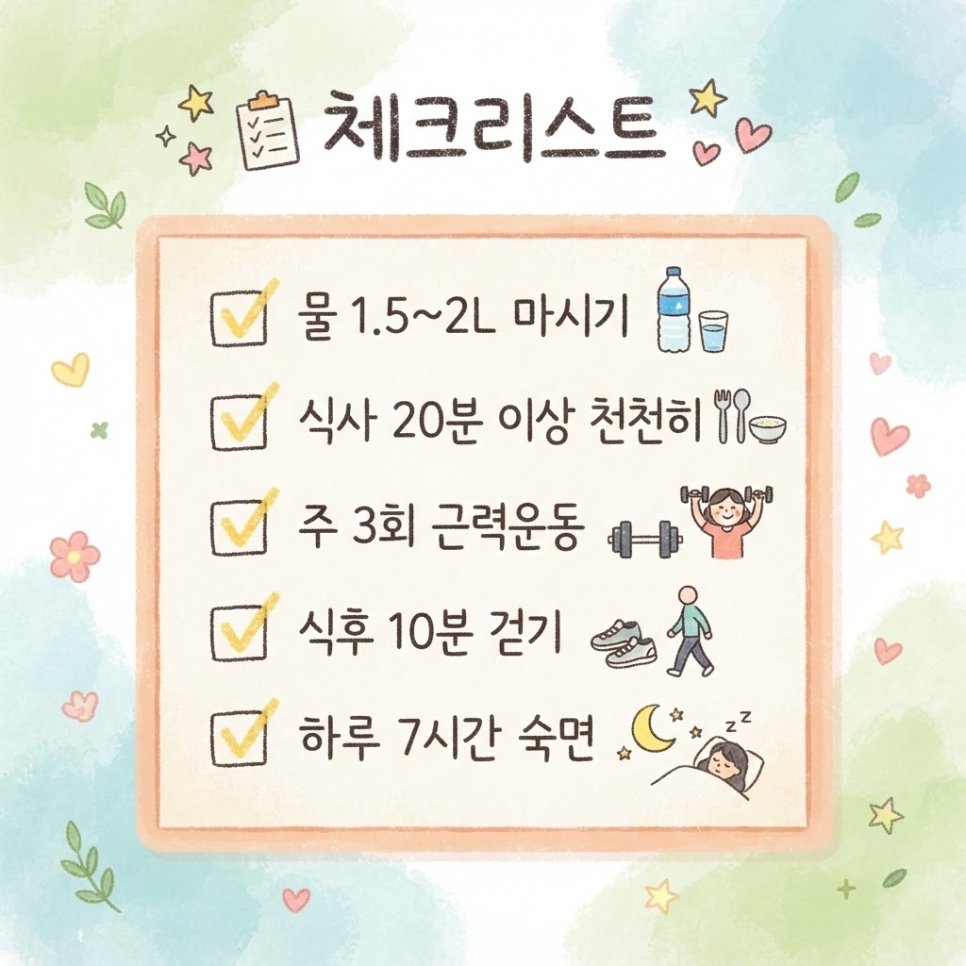
✅ Drink 1.5-2L of water a day
✅ Take at least 20 minutes to eat each meal
✅ Do strength training at least 3 times a week
✅ Walk for about 10 minutes after meals
✅ Get at least 7 hours of sleep a night
Frequently Asked Questions

1. Is a fast metabolism something you’re just born with?
Genetics play a role, but it can change significantly based on muscle mass, activity level, and eating habits.
2. Is it true that you can gain weight just from drinking water?
No. Water contains no calories and doesn’t increase body fat — any temporary weight increase is simply water weight.

3. What kind of exercise is best for building a fast-metabolism body type?
A combination of cardio and strength training works well, though strength training is especially helpful for maintaining basal metabolic rate.
4. Does getting less sleep really make it easier to gain weight?
Lack of sleep can disrupt the balance of appetite hormones, which may increase the likelihood of overeating or late-night snacking.
References
· Samsung Medical Center, “Do I Gain Weight Just From Water? The Basal Metabolic Rate Story, Part 2,” Samsung Medical Center Health Information.View source
· The Science Times, “Lack of Sleep Affects Appetite-Regulating Hormones,” The Science Times.View source
· Ask The Scientists, “Eating Slowly May Help Reduce Food Intake and Support Weight Loss,” askthescientists.com.View source
This article is intended for general health information purposes only and is not a substitute for individual diagnosis or treatment.
If you have any health concerns, please consult a medical professional.