If you’ve been working out hard but your body isn’t changing much,
the problem often isn’t your training volume — it’s your diet.
Muscles don’t grow from stimulation alone. Muscle-building foods and adequate recovery both need to be in place for real growth.
So today, we’re covering everything from muscle-building foods to effective workout methods, plus what you should know before turning to muscle-building supplements.
This article covers how to build a diet around muscle-building foods, how to apply progressive overload in your muscle-building workouts, and why recovery matters. We’ll also look at the difference between supplements and medications often called “muscle-building drugs,” along with the risks of anabolic steroid misuse.
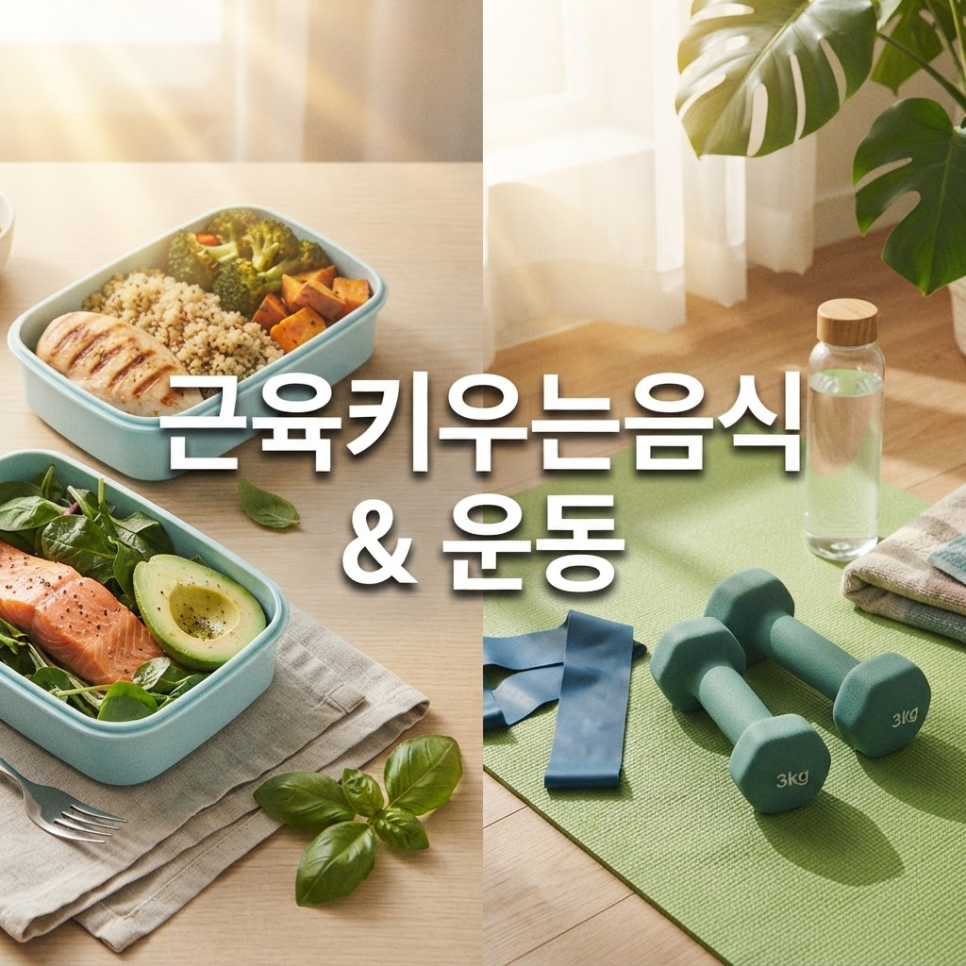
What Should You Eat as Muscle-Building Foods?
Muscle-building foods aren’t just about protein — a balanced diet that includes carbohydrates and fats matters just as much.
You don’t need to eat chicken breast every single day.
Eggs, lean meat, fish, tofu, and legumes are all great alternatives.
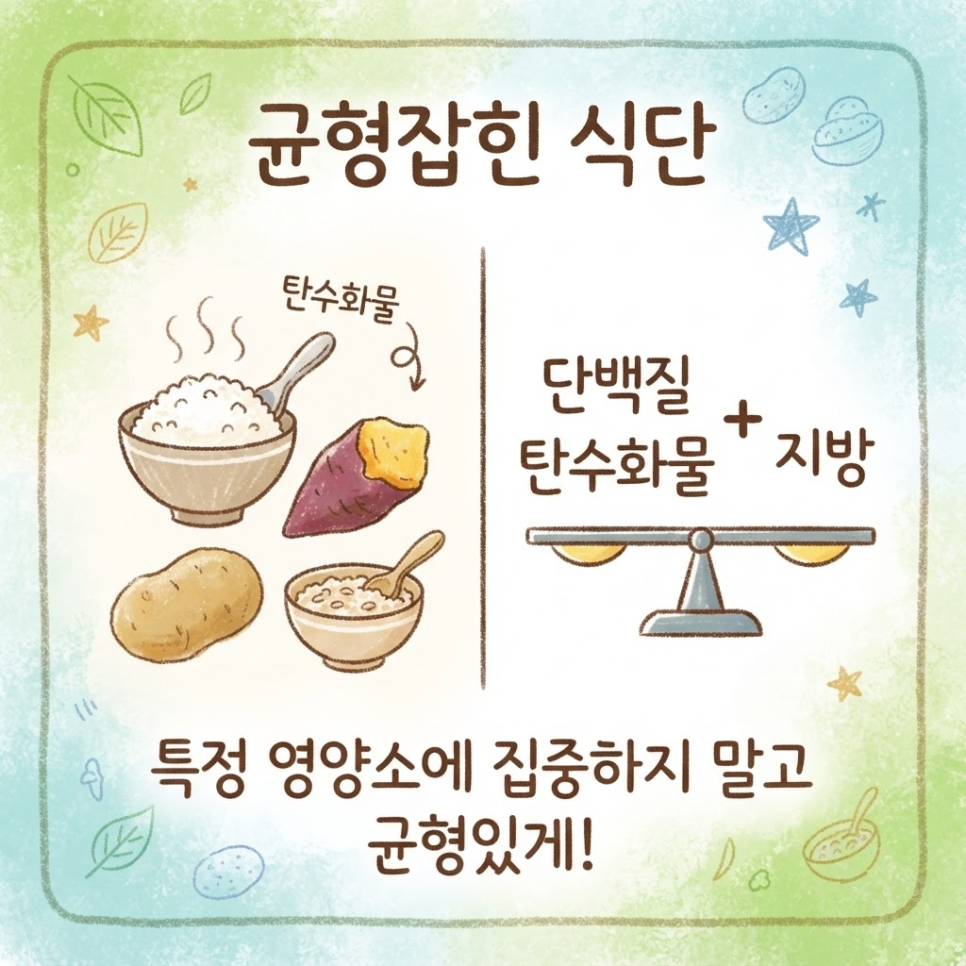
You’ll also want to include carbohydrates like rice, sweet potatoes, or potatoes.
Carbohydrates supply the energy your workouts need
and help replenish the glycogen your body uses up during exercise.
So when building a diet around muscle-building foods,
it’s better to focus on overall balance rather than protein alone.
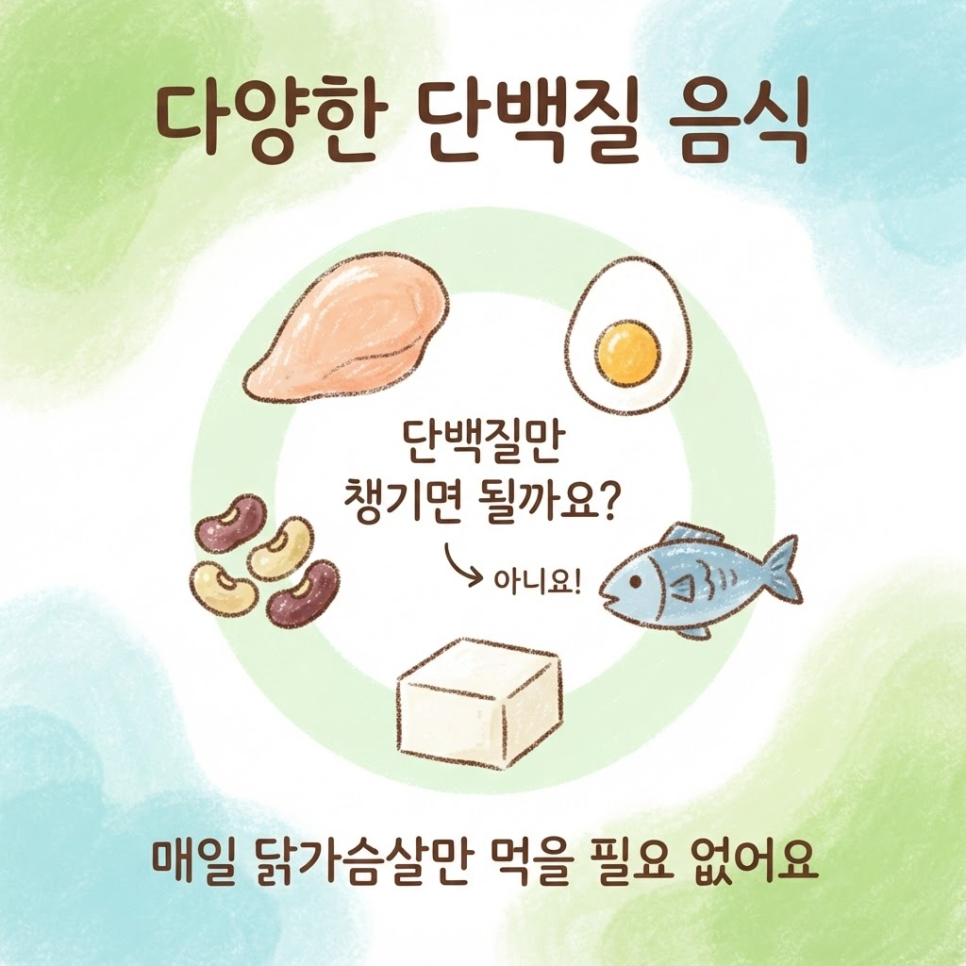
· Protein alone won’t build muscle
· Carbohydrates are needed for workout energy and glycogen replenishment
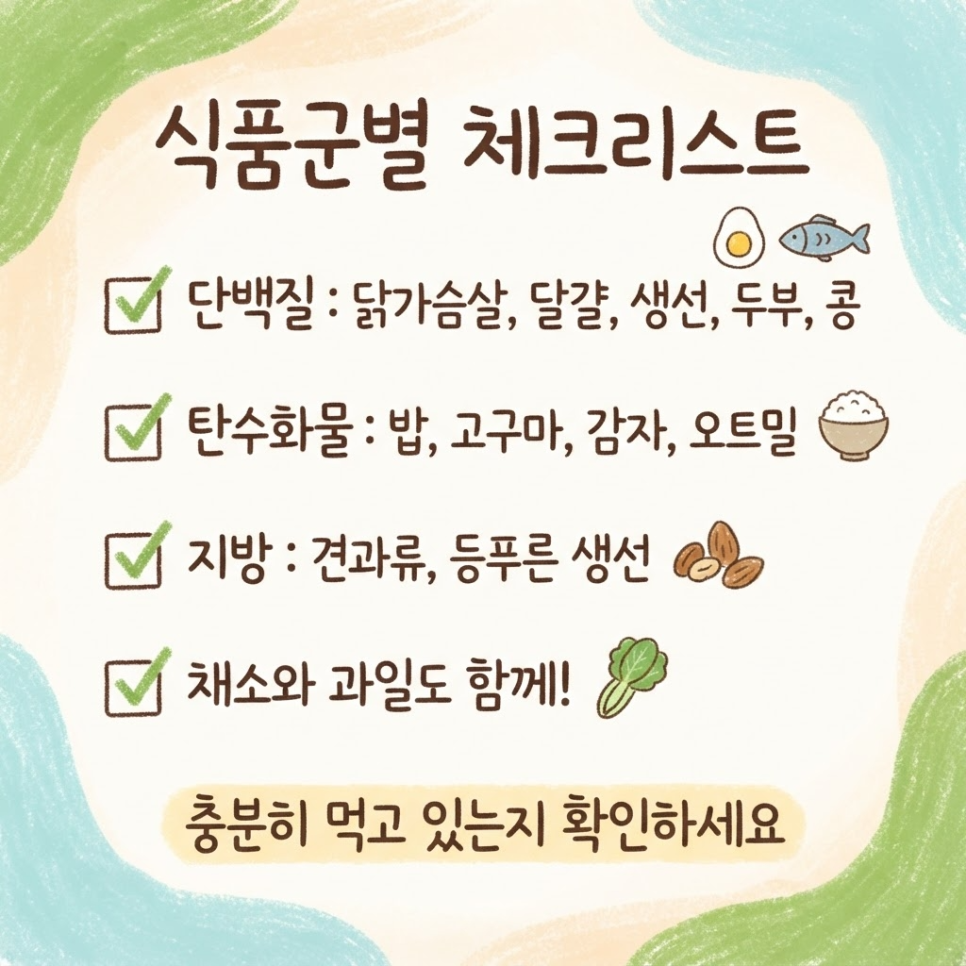
| Nutrient | Common Foods | Role |
|---|---|---|
| Protein | Chicken breast, eggs, fish, tofu, beans | Builds and maintains muscle |
| Carbohydrates | Rice, sweet potatoes, potatoes, oatmeal | Workout energy, glycogen replenishment |
| Fat | Nuts, fatty fish | Supports hormone and cell function |
If you’re training hard but not eating enough overall,
it can actually work against your muscle-building goals.
So instead of only checking protein content,
make sure to also check whether your total daily calorie intake is sufficient.
How Should You Start Muscle-Building Workouts Effectively?
Muscle-building workouts involve gradually increasing training stimulus to match your current fitness level.
Lifting heavy weight right from the start isn’t recommended.
Once you’re comfortable, you can gradually increase weight, reps, or sets —
a method known as progressive overload.
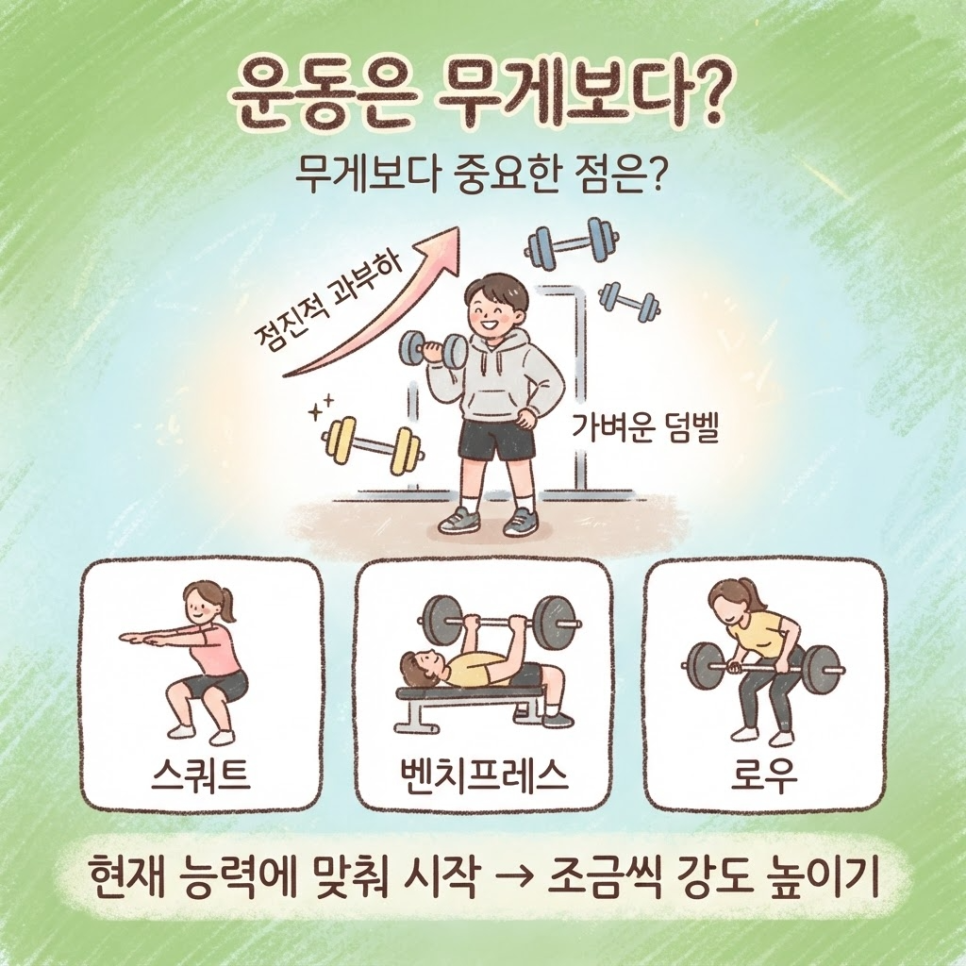
- Start with a weight that matches your current fitness level
- Use compound movements like squats, bench presses, and rows
- Master proper form first
- Gradually increase weight, reps, and sets as you adapt
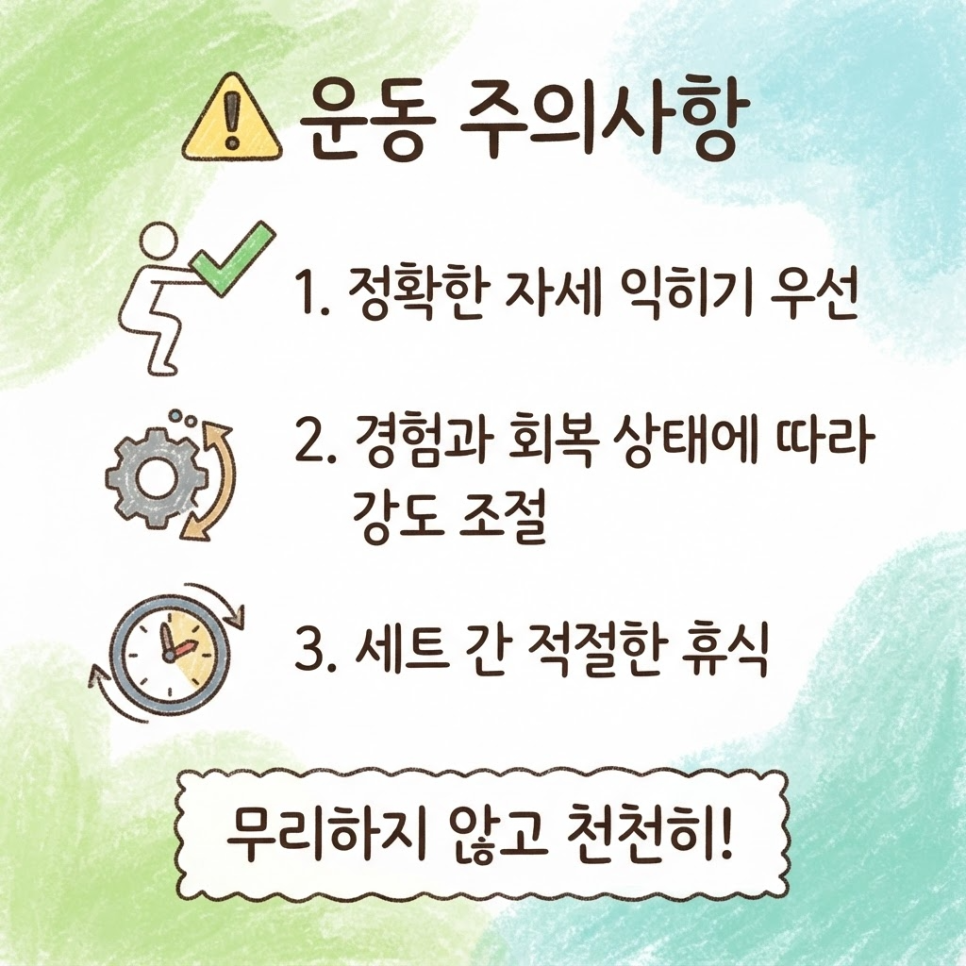
If you’re just starting muscle-building workouts, focus on mastering proper form first,
and adjust intensity based on your experience level and recovery status.
Why Is Post-Workout Recovery Important for Muscle Growth?
Recovery is the process where muscle fibers damaged during exercise repair themselves and grow stronger.
Training more doesn’t automatically mean faster muscle growth.
Rather than repeatedly stressing the same muscle group,
you need to allow enough rest time for recovery.
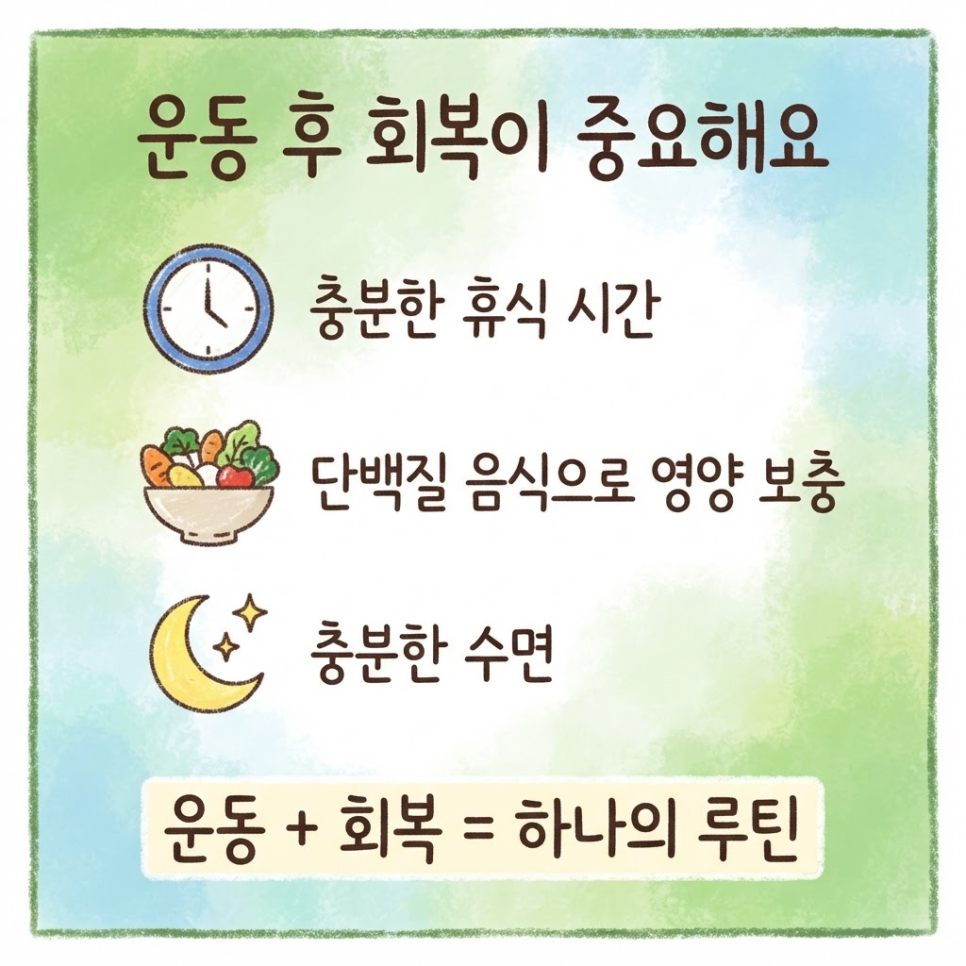
· Get the nutrition you need for recovery from muscle-building foods
· Make sure you’re getting enough sleep
· Manage workout and recovery together as one routine
Ultimately, effective muscle-building workouts aren’t just about managing time spent training —
the key is planning exercise and recovery together.
Muscle-Building Supplements vs. Medications: What’s the Difference?
Products commonly referred to as “muscle-building drugs” actually include both everyday dietary supplements and prescription medications that require a doctor’s oversight — and it’s essential to tell them apart.
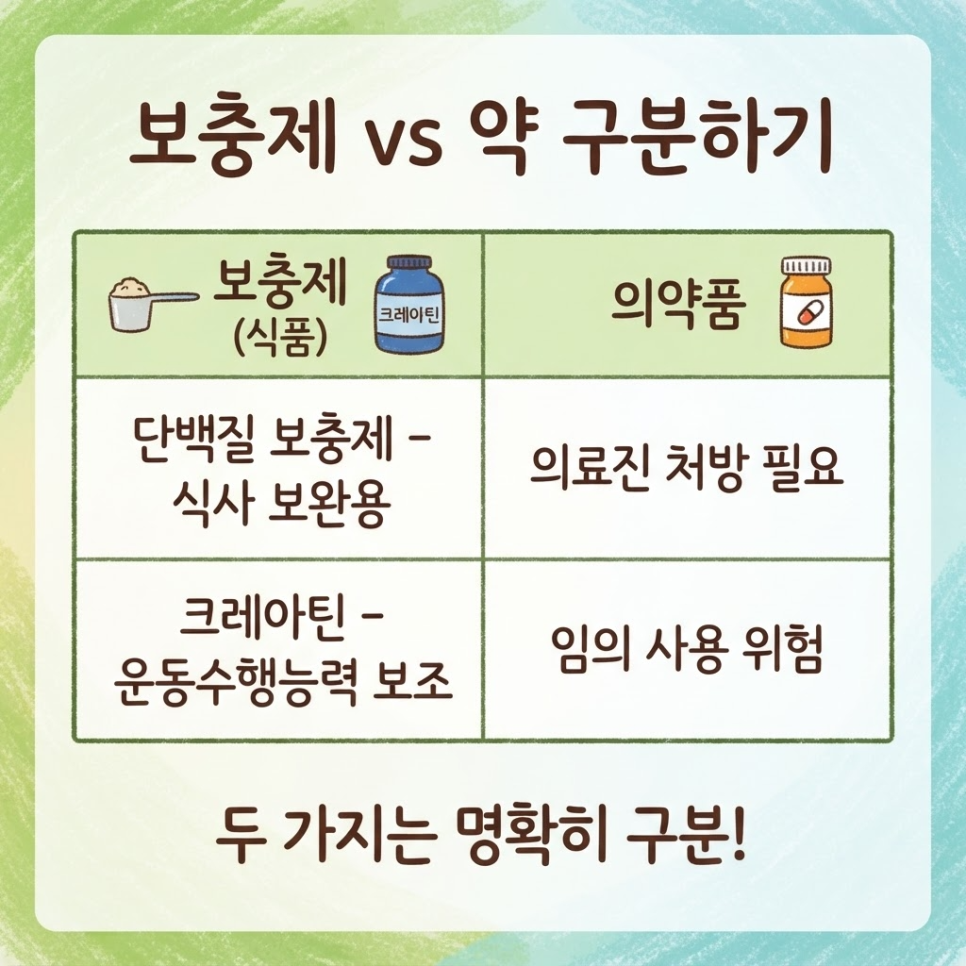
Protein supplements are foods designed to make up for protein you’re not getting from meals.
Creatine is an ingredient that several studies suggest may support strength and exercise performance
when combined with resistance training.
That said, not all creatine monohydrate products have been individually verified for specific functional claims,
so it’s best to check the label details on each product.
· If you’re not getting enough protein, consider a protein supplement
· If you want to support exercise performance, look for creatine
· Remember that supplements are meant to complement your diet, not replace it
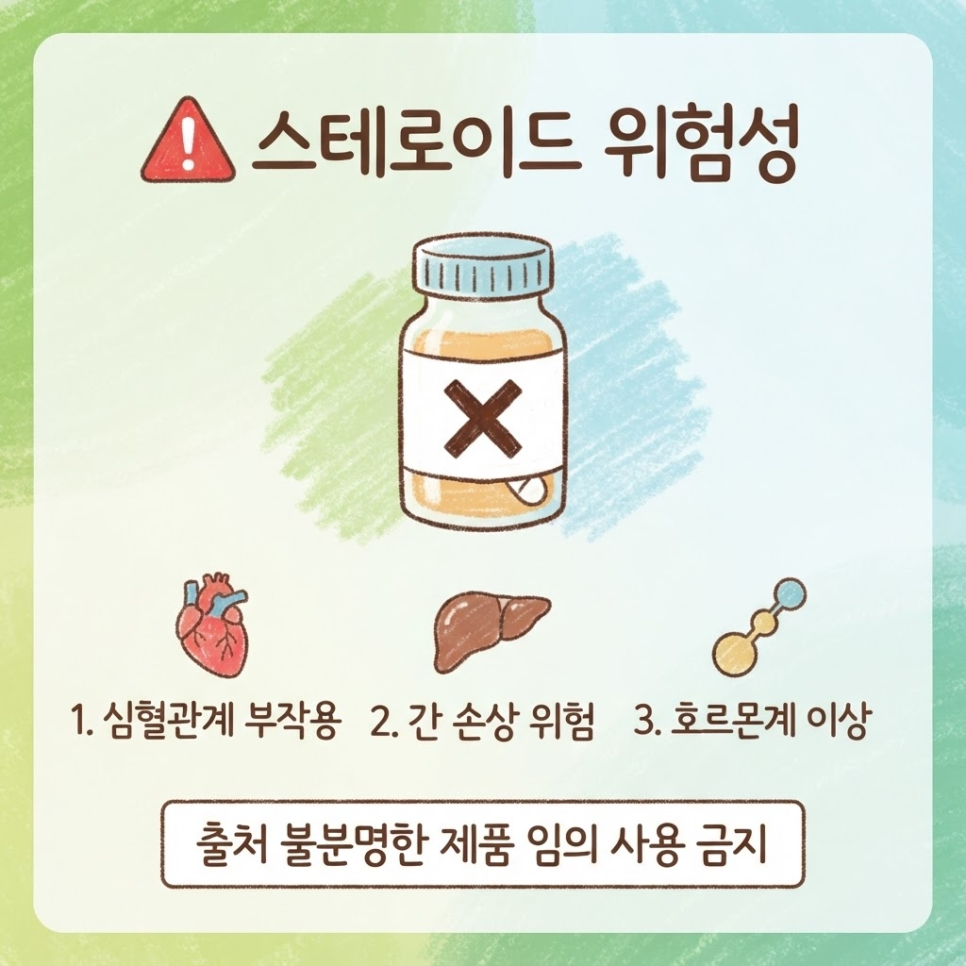
On the other hand, using drugs like anabolic steroids — sometimes referred to as “muscle-building drugs” — without medical supervision is a completely different issue.
Misuse can lead to side effects affecting the cardiovascular system, liver, and hormonal balance.
Never use products from unverified sources on your own.
If medication is genuinely needed, it should only be used under a doctor’s care and prescription.
Anabolic steroid misuse can lead to serious side effects,
including heart disease, liver damage, and hormonal imbalance.
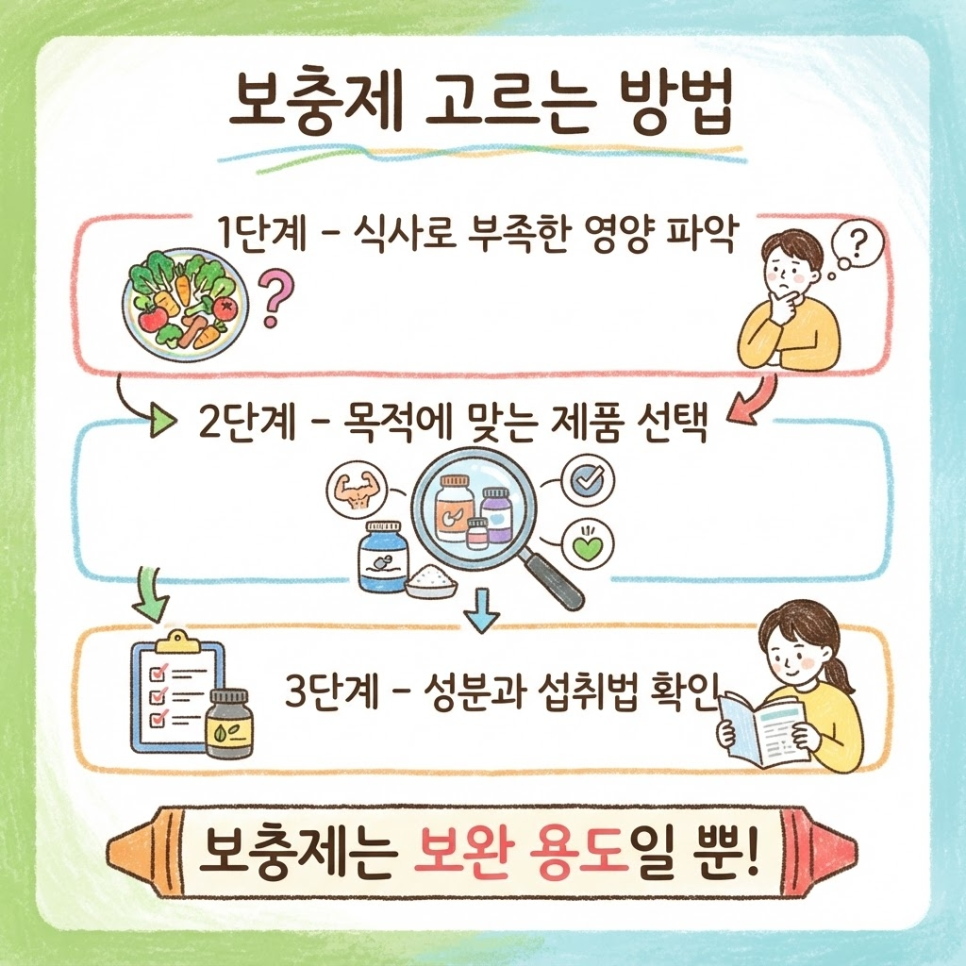
If it’s hard to get all the nutrition you need from meals alone,
consider looking into a supplement that fits your goals.
If you’d like more information on specific ingredients, you can also check the Kookmin Bio homepage.
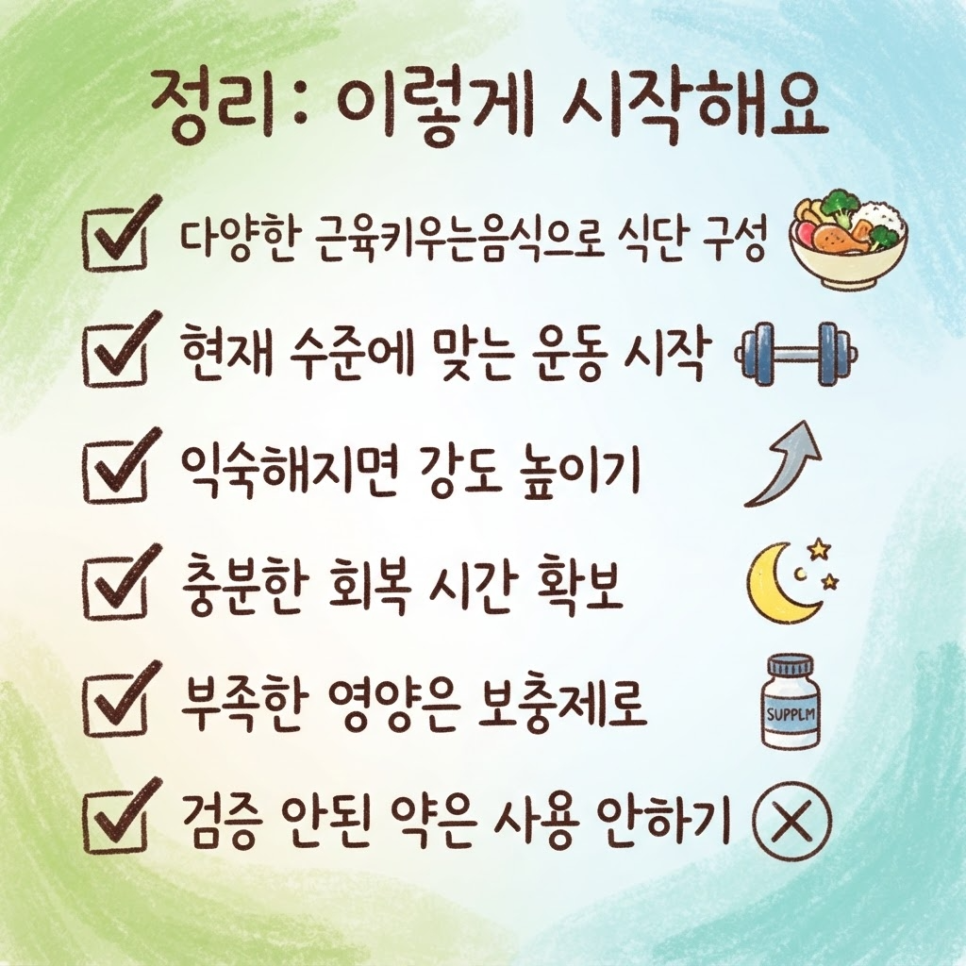
✅ Build your diet around a variety of muscle-building foods
✅ Start muscle-building workouts at a level that matches your current fitness
✅ Gradually increase workout intensity as you adapt
✅ Allow enough recovery time after exercise
✅ Fill nutritional gaps with supplements suited to your goals
✅ Never use unverified muscle-building drugs on your own
If you want to build muscle, don’t chase quick fixes —
start by reviewing your current lifestyle habits.
Check whether you’re eating enough muscle-building foods,
whether your workout intensity is appropriate, and whether you’re getting enough recovery time —
one factor at a time.

Frequently Asked Questions
1. How much should I eat of muscle-building foods per day?
The exact amount depends on your body weight and activity level, but it’s important not to focus only on protein — aim for a balanced intake of carbohydrates and fats as well.
2. Do I need to do muscle-building workouts every day?
Rather than intensely training the same muscle group daily, a routine that includes rest days for each muscle group and allows for recovery time is more effective.
3. Does taking creatine build muscle immediately?
Creatine is an ingredient that may support improved exercise performance when combined with resistance training — it’s not a drug that instantly increases muscle mass on its own.
4. Is it okay to get muscle-building drugs without a prescription?
Drugs like anabolic steroids can cause side effects to the cardiovascular system, liver, and hormones if misused, so they should never be used without a doctor’s prescription.
5. Will I build muscle just by taking supplements?
Supplements are meant to fill nutritional gaps — muscle-building workouts and a solid intake of muscle-building foods need to be the foundation for supplements to be effective.
References
· Korean Pharmacists Journal, “Creatine: A Practical Guide Backed by Science,” Yakup Gongnon, 2023. View source
· The Kyunghyang Shinmun, “Shortcut to a Great Body or a Health Disaster? Steroid Side Effects A to Z,” The Kyunghyang Shinmun, 2019. View source
· Samsung Medical Center Health Information, “Is Creatine Supplementation Essential During Resistance Training?,” Samsung Medical Center. View source
This article is intended for general health information purposes only and is not a substitute for individual diagnosis or treatment. If you have a health concern, please consult a medical professional.