That Protein Shake You Chug After Every Workout — Does It Really All Turn Into Muscle?
Everyone around you says the same thing once you start working out —
just eat all the chicken breast and protein powder you can.
But if you consume it without accounting for your body weight or workout intensity,you end up putting serious strain on your liver and kidneys.
That bloating and gas you feel afterwardare your body’s warning signs that it simply couldn’t digest it all.
Quick Preview
Here’s an in-depth look at exactly how to calculate the right post-workout protein intake for efficient muscle growth, broken down by body weight so you can find the amount that’s right for you. We’ll also cover the most effective post-workout protein timing guide, so you never miss the anabolic window.
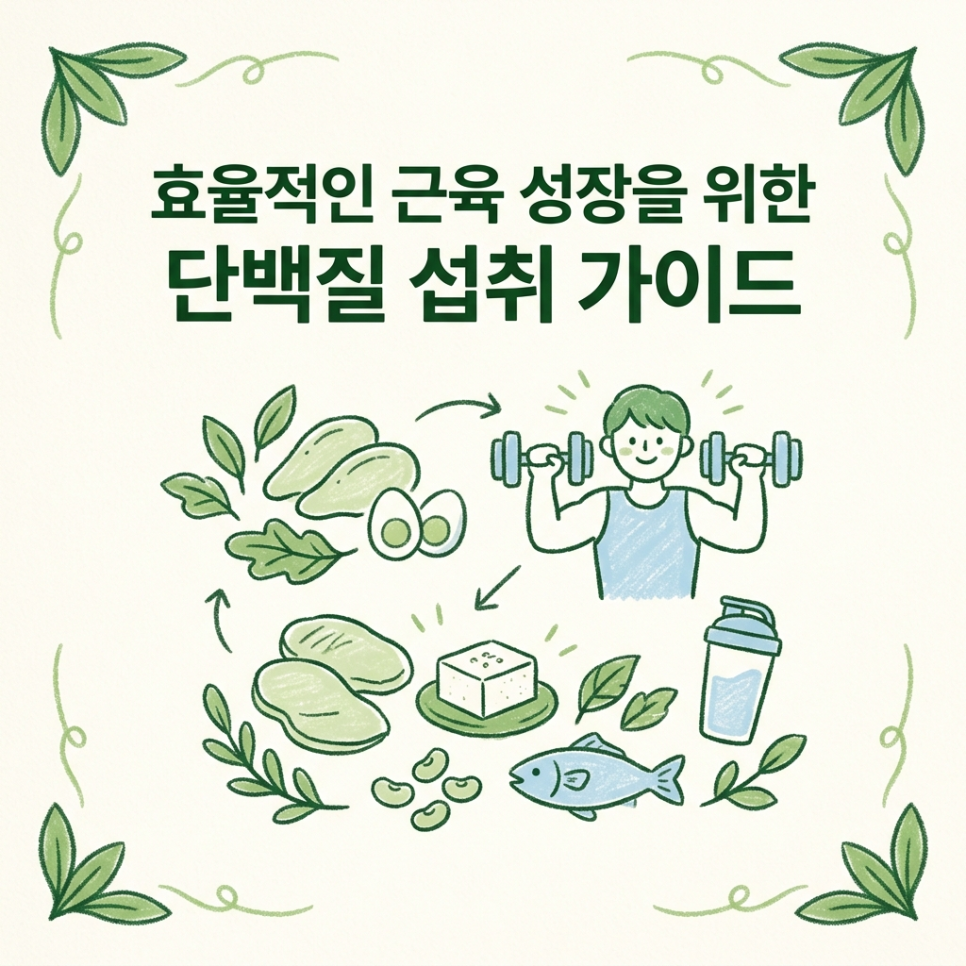
What Is the Basic Formula for Post-Workout Protein Intake?
To cut to the chase, if you exercise consistently, your ideal daily protein intake falls between 1.4g and 2.0g per kilogram of body weight.
For the average person doing light activity, 1.0g per kilogram of body weight is plenty — but we’re out here sweating every day and putting real stress on our muscles, right?
If your goal is muscle hypertrophy — the process of your muscles rebuilding and growing bigger — you need to aim higher than that baseline to prevent muscle loss.
Optimal protein intake refers to the amount needed to supply the amino acids required for physical activity and muscle recovery.
According to the International Society of Sports Nutrition’s (ISSN) 2023 guideline paper, staying within the 1.4–2.0g per kilogram range is considered the most effective way to maximize muscle protein synthesis (MPS).
Rather than eating more just because a friend told you to, it’s best to base your intake on this scientific benchmark and adjust it according to your own training intensity.
Data Insight
The higher your target training intensity, the higher your multiplier should be. For light cardio, multiply by 1.2g; for intense weight training, multiply by at least 1.6g or more to design your total daily post-workout protein intake.
How Much Post-Workout Protein Do You Need for Your Body Weight?
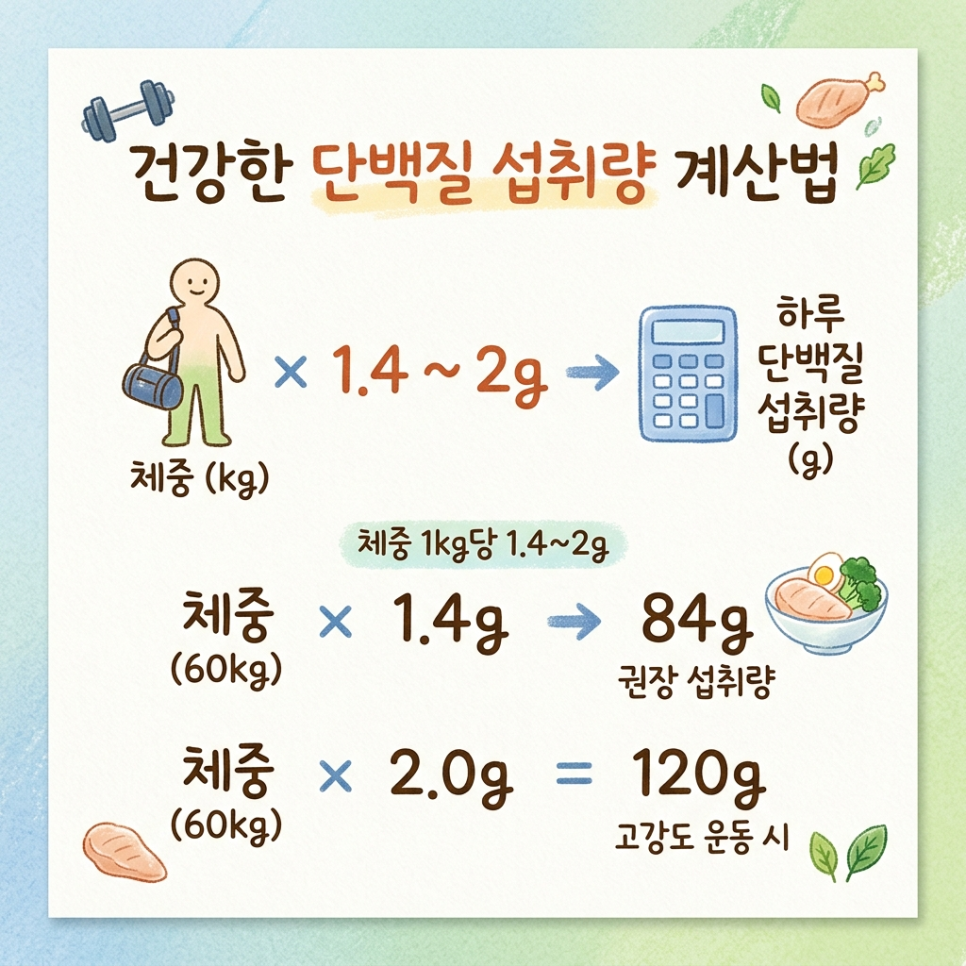
The ideal amount to trigger muscle growth right after training varies by body weight, and the answer is to split it into portions of 20g to 32g at a time.
That’s because the human body has a clear limit on how much protein it can absorb and put toward muscle growth in a single sitting.
Even if you get ambitious and eat three whole packs of chicken breast in one meal, whatever isn’t absorbed simply gets excreted or stored as fat.
The table below, based on International Society of Sports Nutrition standards, breaks down average total daily protein needs by body weight along with the recommended amount to prioritize right after a workout.
| Current Body Weight | Total Daily Requirement | Recommended Post-Workout Amount |
|---|---|---|
| 50 kg | 75g – 100g | 20g of post-workout protein |
| 60 kg | 90g – 120g | 24g of post-workout protein |
| 70 kg | 105g – 140g | 28g of post-workout protein |
| 80 kg | 120g – 160g | 32g of post-workout protein |
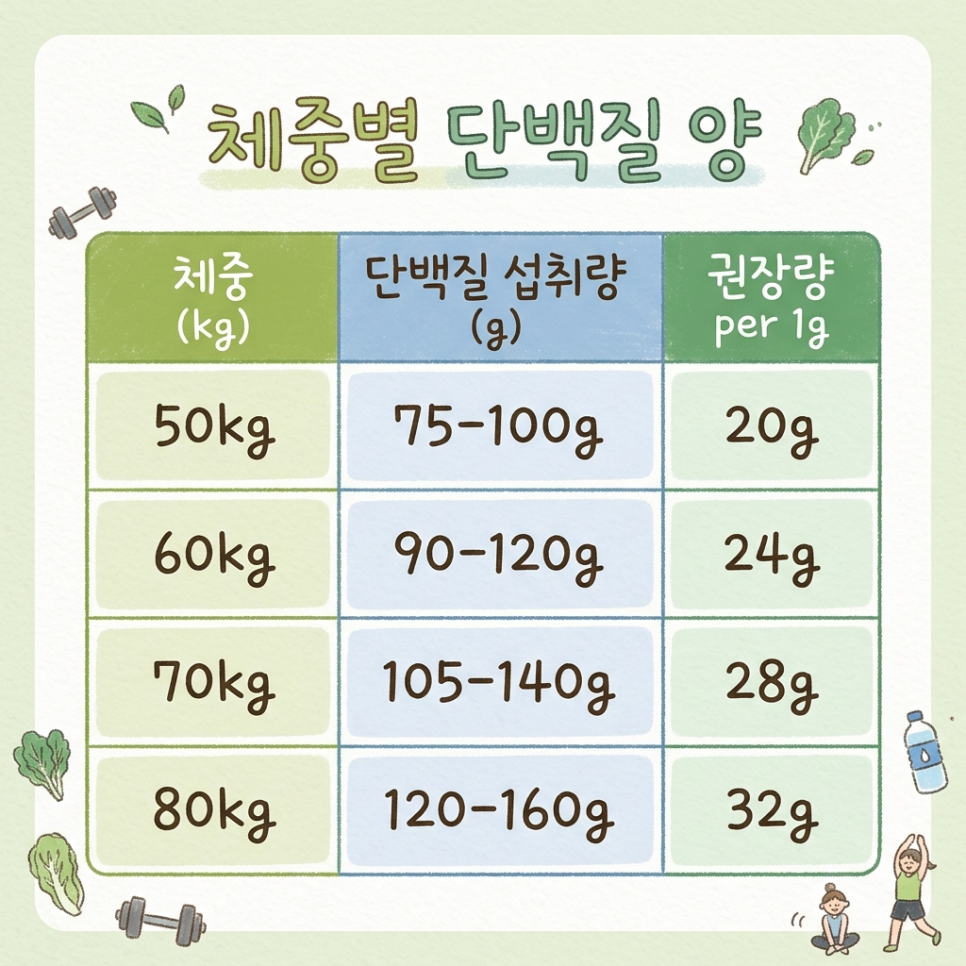
As you can see, the amount of post-workout protein you actually need in one sitting is smaller than you might think.
Rather than forcing an aggressive meal plan just to build muscle, it’s far more important to build the habit of spreading your intake evenly across every meal.
You can also cross-check how to build a balanced diet centered on whole foods using the data and guides on the Kookmin Bio homepage. (Internal link: recommend replacing with a healthy-diet category post)
Checklist
✅ Confirm your exact total daily amount based on your body weight
✅ Check that you’re evenly distributing your post-workout protein intake across meals
✅ Avoid eating an excessive 40g+ in a single sitting
✅ Mix in a variety of whole foods like eggs, beef, and fish
When Is the Best Time to Eat Protein After a Workout for Maximum Muscle Growth?
The most recommended window is within 2 hours of finishing your workout.
In the past, there was an intense obsession with the so-called anabolic window — the idea that you absolutely had to chug a shake within 30 minutes, shaker in hand at the gym mirror.
But recent nutrition research shows that while absorption speed does vary, the window of opportunity for protein synthesis actually stays open much longer than people used to think.
The muscle protein synthesis window refers to the optimal metabolic state right after exercise, during which your body is primed to take in nutrients for muscle growth.
So there’s no need to force it down in a panic within 30 minutes to the point of feeling sick.
Taking a thorough shower, heading home, and having a proper, well-composed meal won’t meaningfully hurt your muscle-building results.
That said, once you pass the 2-hour mark, your body’s protein synthesis capacity gradually declines, so it’s still worth sticking to this timing.
Key Point
It’s best to eat somewhere between 45 minutes and 2 hours after finishing your workout. Adding a fast-digesting whey protein or an easily absorbed meal can noticeably speed up muscle recovery. This is the moment to be proactive about your post-workout protein intake.
If you naturally have a sensitive stomach, or your digestion tends to take a serious hit right after intense weight training, be careful with meat-based sources.
Instead of heavy meat, soothing your stomach first with a smooth drink, liquid protein, or a soft steamed egg dish is the better way to protect both your muscles and your gut health.
Supplying quality nutrients at exactly the right timing is what makes a tough workout truly worth it.
Frequently Asked Questions
- Do I need to eat just as much protein on rest days when I’m not working out?
Yes, you do. That’s because muscles grow during rest, not during the workout itself. Muscle cells typically take 24 to 48 hours to repair and grow, so it’s very beneficial to keep supplying a similar level of post-workout protein intake on rest days as you would on training days. - What happens if I eat a huge amount of protein all at once?
The human body can typically only absorb and use around 20g to 35g of protein for muscle synthesis in a single sitting. Any excess gets converted into glucose or fat and stored, or it can overload your stomach and cause indigestion. It may also put strain on your liver and kidneys, so it’s best to stick to the appropriate post-workout protein amount and split your intake into smaller portions. - If I work out fasted and don’t eat until much later, will my muscles still grow properly?
Fasted training carries a relatively higher risk of muscle loss. If nutrient intake is also delayed after your workout, your body starts breaking down muscle for energy. So if you train fasted, sticking to the golden post-workout protein timing and getting food in within about an hour is much better for preserving muscle.
References
· Jäger R, Kerksick CM, et al., “International Society of Sports Nutrition Position Stand: protein and exercise,” Journal of the International Society of Sports Nutrition (JISSN), 2017 (reaffirmed in the 2023 guidelines). View source
Disclaimer
This article is intended for general health information purposes only and is not a substitute for individual diagnosis or treatment. If you have any underlying health conditions, including kidney or liver disease, please consult a physician before adjusting your diet.
post workout protein intake post workout protein amount post workout protein timing protein intake calculator beginner fitness muscle growth prevent muscle loss protein golden window chicken breast recommendations protein supplements protein by body weight sports nutrition workout diet gym beginner guide healthy eating habits