
Many people take a probiotic supplement faithfully every day, yet still feel heaviness in their lower abdomen without noticing much change.
My own gut health has never been great either — I’ve tried practically everything, from community-favorite probiotics to best-sellers and pharmacist-recommended brands.
No matter how many beneficial bacteria you take in, if the gut environment itself doesn’t actually improve, it’s like pouring water into a leaky jar.
Quick Preview (Summary)
This article breaks down the key criteria for choosing a postbiotics supplement that can safely reach your gut intact, without interference from stomach acid or bile. We compare it in detail with parabiotics — often called the next-generation probiotic — and look at the enzyme synergy that may support toxin elimination, plus the benefits of small mini-pill formats, backed by concrete research findings.
What Are the Key Criteria for Choosing the Right Postbiotics Supplement?

When choosing a postbiotics supplement, the first thing to check is whether the ingredients can reach the intestinal wall directly, without being affected by stomach acid, heat, or other digestive conditions.
Traditional live probiotic strains have a critical limitation: most of them dissolve and die off before ever reaching the gut when they meet the powerful digestive barriers of stomach acid and bile.
Postbiotics are probiotic metabolites — the final byproducts created when beneficial bacteria feed and go through their metabolic process.
Unlike live bacteria, they already exist in a finished, ready-to-use form, so they aren’t broken down along the digestive tract and can be absorbed by the body remarkably fast.
Thanks to this stability, more doctors and health experts have reportedly been recommending postbiotics in recent years (Source: Ministry of Food and Drug Safety, 2023).
Building a healthy gut environment depends less on the sheer number of live bacteria and more on the concentration of probiotic metabolites that act directly on cells to help shape that environment.
Data Insight
Whether an ingredient is listed as a New Dietary Ingredient (NDI) with the U.S. FDA is one objective way to check its safety and functionality. When comparing postbiotics supplements, it’s worth checking first whether the formula includes high-quality ingredients that have passed internationally recognized safety standards.
What Is the Difference Between Postbiotics and Parabiotics?
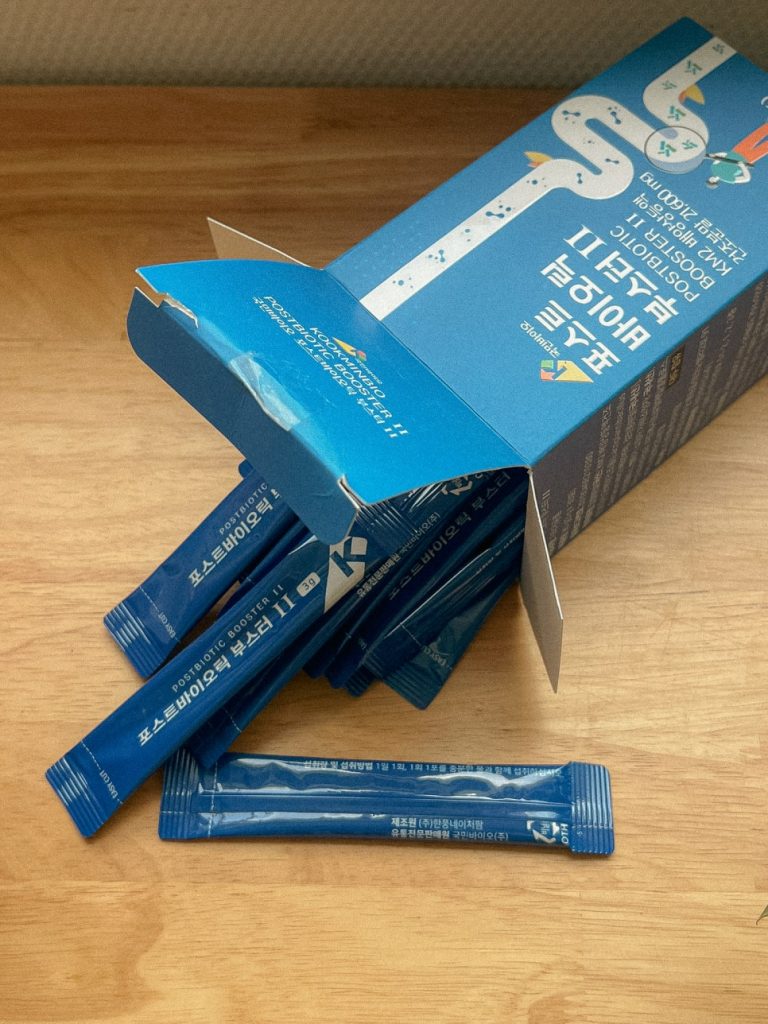
If postbiotics are the metabolites secreted by beneficial bacteria themselves, parabiotics refer to heat-treated, inactivated bacterial cells processed at very high temperatures to preserve the cell wall components and active compounds of beneficial bacteria.
Since neither is a living organism, they share one key physical trait: they aren’t destroyed by stomach acid and can reach the large intestine intact.
However, a clear difference between the two appears in how they work biologically once they reach the gut wall.
Parabiotic inactivated cells bind directly to immune cells in the gut lining, which may help support immune activity, and act as a physical barrier that traps harmful bacteria and helps carry them out of the body.
Postbiotic metabolites, on the other hand, are thought to focus more on a chemical buffering action — adjusting the acidity of the gut environment to help create conditions where beneficial bacteria can thrive.
That’s why, rather than taking just one or the other, choosing a postbiotics supplement that combines metabolites and heat-treated inactivated cells in a complementary formula is the key to supporting your gut environment from multiple angles.
Why Do Postbiotic Enzymes Create a Synergy Effect for Gut Health?

A postbiotic-enzyme complex is designed to support activation of beneficial gut bacteria while also helping the body break down and absorb food more fully in a gut environment where digestion has slowed.
As we age, the amount of digestive enzymes the body naturally produces tends to drop off sharply.
When digestive power declines, incompletely broken-down food residue can linger in the gut longer, potentially feeding harmful bacteria and contributing to gas.
That’s why choosing a formula that pairs postbiotics with digestive enzymes can be a smart choice for long-term gut care, addressing gut health and digestion together.
When food is digested cleanly in the stomach before moving on, it avoids putting unnecessary strain on the gut wall and can help prevent that uncomfortable bloated feeling.
If you often feel heaviness in your stomach or deal with frequent gas, a combined postbiotic-enzyme formula may be a helpful option to consider.
3-in-1 Synergy for Gut Health
• Postbiotic metabolites: Officially verified, high-quality ingredients that help support gut acid balance
• Parabiotic inactivated cells: Includes “KM2 heat-treated inactivated cells,” processed with Kookmin Bio’s patented technology to help support beneficial bacteria at the gut wall (Source: Kookmin Bio Corporate Research Institute, 2024)
• Prebiotic fiber: A supportive food source — such as black soybean and psyllium husk — that helps beneficial bacteria settle in and grow in the gut
Comparing the Easy-to-Take Mini-Pill Format vs. Regular Powder

Powder-form probiotics, which are common on the market, come with a downside: if you accidentally inhale some while tipping it into your mouth, it can trigger a bad coughing fit or leave a chalky aftertaste.
Switching to pills or capsules doesn’t necessarily solve the problem either — for people with a smaller throat or trouble swallowing, taking one pill every single day can become a genuinely frustrating chore.
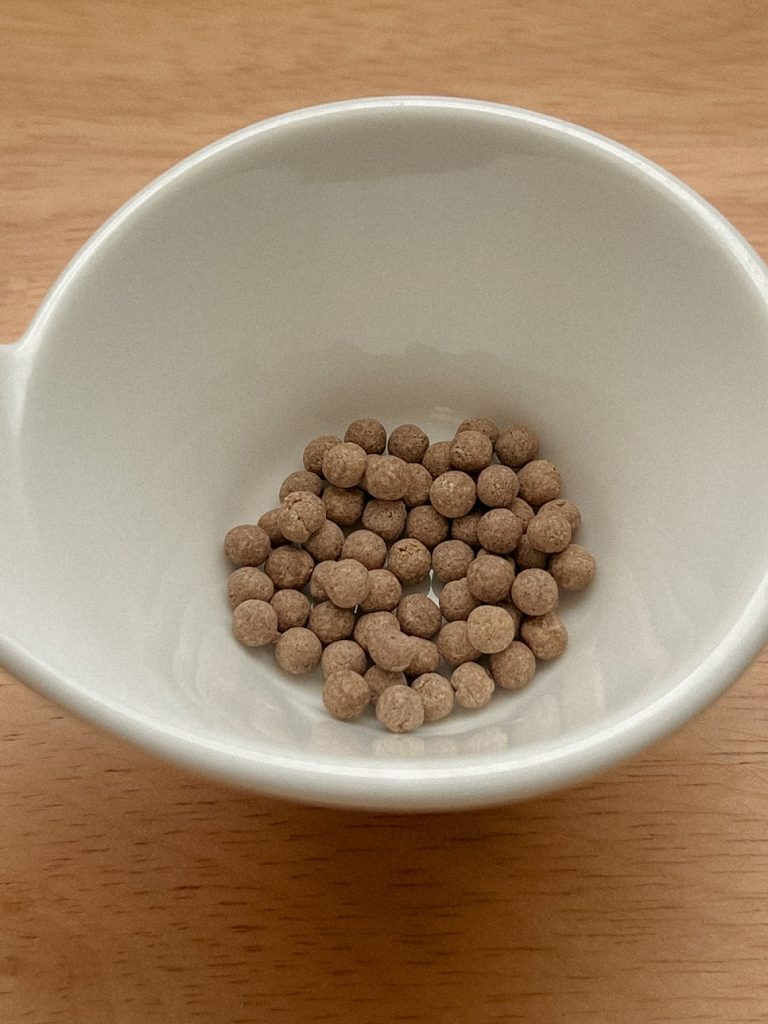
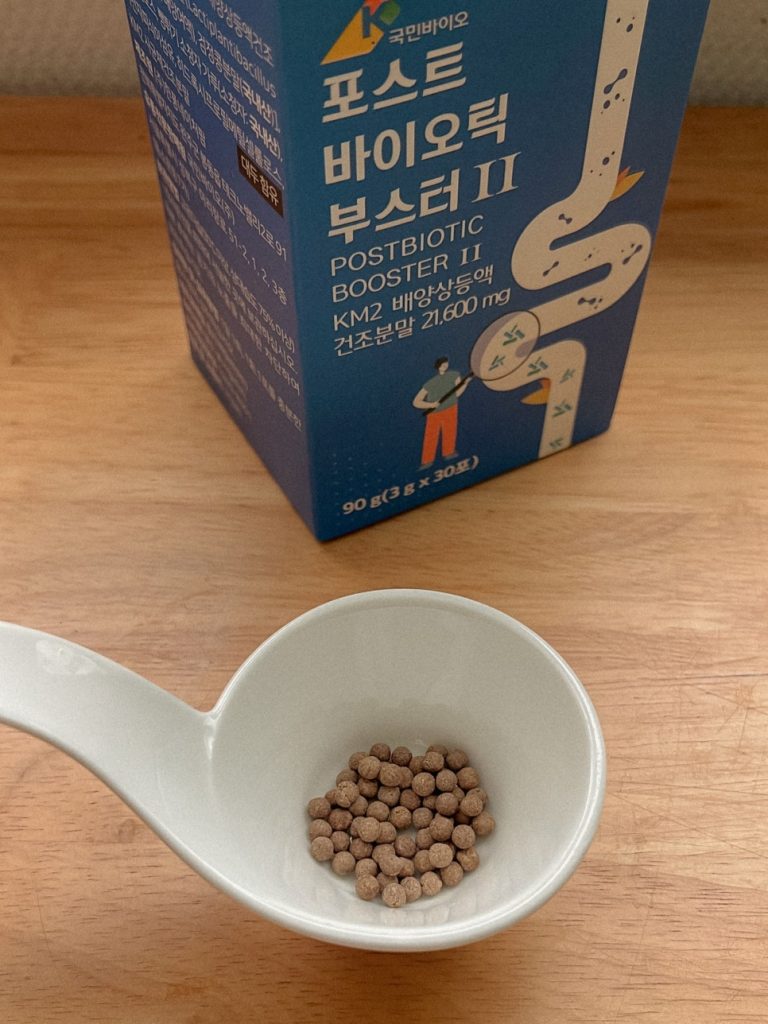
More recently, products designed to address these drawbacks — tiny mini-pills about 5mm in size — have been gaining attention for their outstanding convenience.
They’re formulated with 0g of added sugar, leaving out sugar or fructose added purely for sweetness, so there’s no added burden for long-term metabolic health.
They also come in individual stick packs, so you can carry them hygienically anywhere without lugging around a full container, making it easier to stay consistent.
| Comparison | Regular Powder Probiotic | Postbiotic Booster II (Mini-Pill Format) |
|---|---|---|
| Ease of Intake | Powder dust can cause coughing and a chalky feeling in the mouth | 5mm mini-pills go down smoothly with water |
| Sugar Content & Ingredients | Contains added sugar to improve taste and palatability | Formulated with 0g sugar, based on trustworthy domestically sourced ingredients |
If you’re weighing which product makes the most sense for your gut health routine, we recommend carefully comparing ingredients and manufacturing processes through the official platform. You can check detailed formula information on the Kookmin Bio homepage. (Internal link: recommend replacing with a detailed Kookmin Bio product page)
What’s the Right Postbiotics Dosage, and How Can You Avoid Side Effects?
Even ingredients that are generally considered good for gut health and digestion shouldn’t be taken in large amounts right from the start without paying attention to how your body responds.
A sudden intake of a new concentration of metabolites or prebiotic fiber can sometimes cause temporary gas or overly active intestinal contractions, which may lead to loose stools.
That’s why, when trying a probiotic metabolite product for the first time, it’s a wise approach to start light — around half the recommended amount — and watch how your stomach adjusts.
As you notice your gut environment settling comfortably, gradually working your way up to the full daily amount is a good way to help it agree with you without side effects.
When recommending postbiotics to friends or family for their gut health, it’s helpful to walk them through this same step-by-step approach.
📋 Safe Intake Checklist
✅ Follow the daily recommended amount printed on the manufacturer’s packaging
✅ For the first 3–5 days, start with less than the recommended amount and increase gradually
✅ If you have a chronic underlying condition, or if you’re pregnant or breastfeeding, consult a doctor before use
Frequently Asked Questions
1. Why do people recommend postbiotics over regular live probiotics?
Unlike live bacteria, probiotic metabolites and parabiotic inactivated cells aren’t broken down by stomach acid, bile, or body heat. Because they can reach intestinal cells largely intact, they tend to have a higher delivery rate and may help build a beneficial gut environment more quickly and reliably.
2. Who is a postbiotic-enzyme combination product best suited for?
It can be a good fit for anyone who deals with irregular bowel movements due to a sluggish gut, as well as those who feel heavy or bloated after eating just a little, or who experience frequent gas and bloating tied to weaker digestion — the combined formula may be especially useful for them.
3. Are there any side effects or precautions to keep in mind with long-term use?
As a food-based ingredient, no specific fixed side effects have been established. That said, taking an excessive dose all at once can carry a risk of temporary diarrhea, loose stools, or abdominal discomfort, so it’s important to stick to the daily amount listed on the packaging.
4. What’s the ideal time of day to take it?
Probiotic metabolites and heat-treated inactivated cells tend to have solid physical stability that isn’t affected much by shifts in stomach acid, whether your stomach is empty or full. Rather than worrying about taking it before or after meals, the best approach is simply to pick a fixed, convenient time and take it consistently every day.
Disclaimer
This article is intended for general health information purposes only and is not a substitute for individual diagnosis or treatment. The ingredients and foods mentioned are not drugs intended to prevent or treat disease; they are dietary supplement nutrients that may support everyday health maintenance. If you have a health condition or a sensitive constitution, please consult a healthcare professional before use.
References
· (Kookmin Bio), “Study on Gut Environment Improvement and Immune Activation Mechanisms of KM2 Heat-Treated Inactivated Probiotic Cells,” Kookmin Bio Corporate Research Institute Report, 2024. View source
· (Ministry of Food and Drug Safety), “Safety Guidelines for New Dietary Ingredients (NDI) and Postbiotic Functional Materials,” MFDS Notice, 2023. View source
postbiotics supplement, parabiotics supplement, postbiotic enzymes, probiotic metabolites, gut health improvement, mini-pill probiotics, Kookmin Bio, beneficial bacteria activation, digestive enzyme breakdown, probiotics for indigestion, abdominal gas relief, gut health in your 40s, digestive supplement for office workers