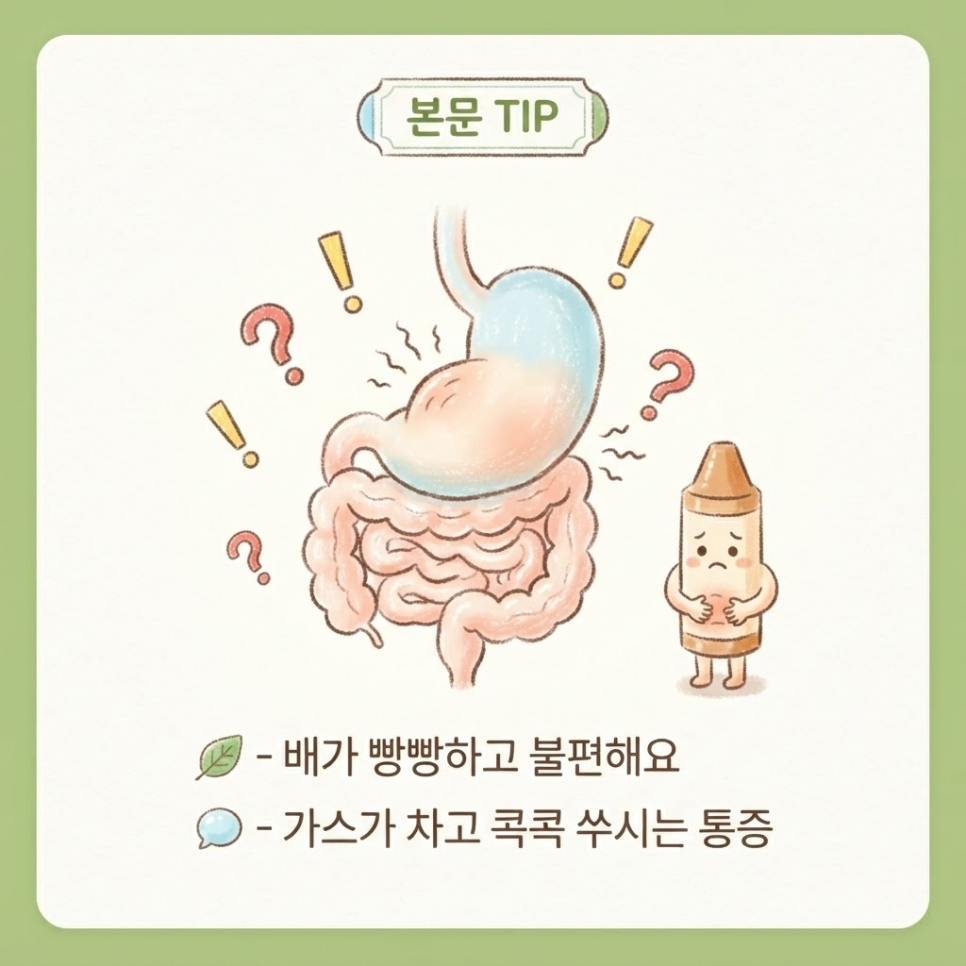
If you’ve ever felt bloated right after eating, or suddenly needed to rush to the bathroom, you’re not alone.
It’s easy to blame the food itself, but the real cause may actually be an imbalance in your gut microbiome.
After digging into the research myself, I found that choosing the right
probiotics for IBS can play a bigger role than most people expect.
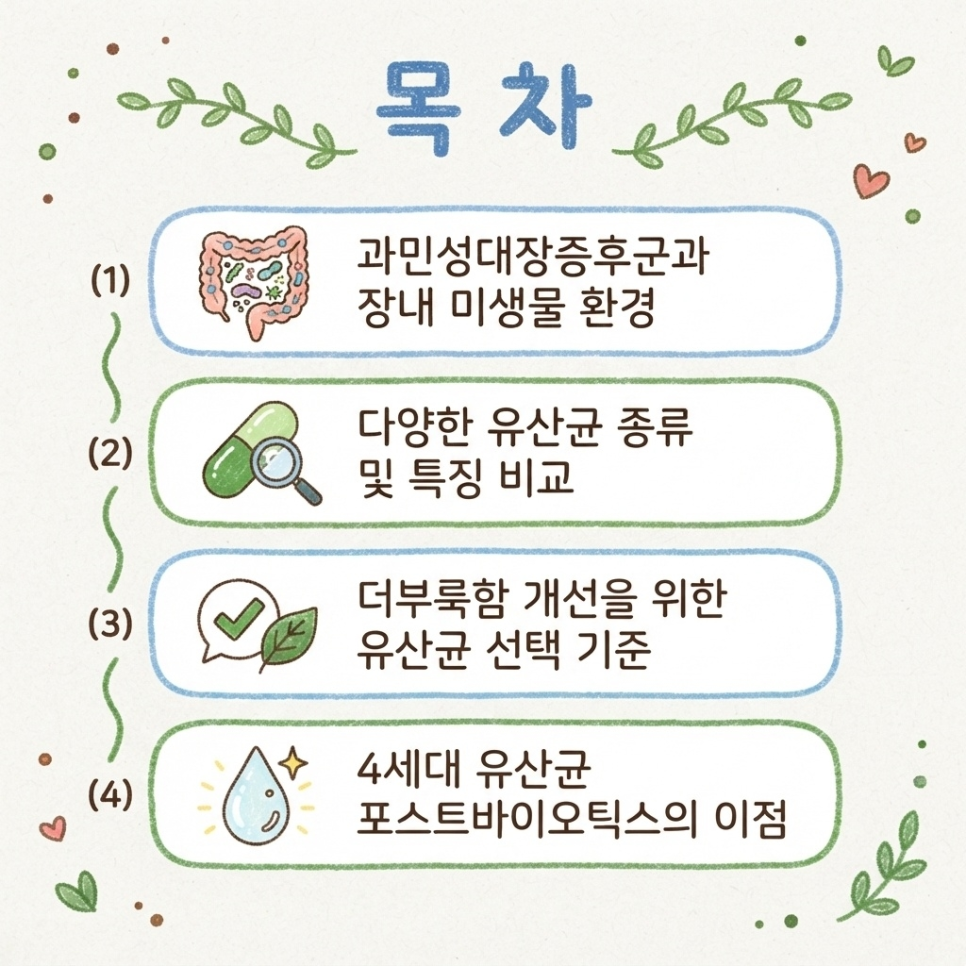
This article breaks down the key criteria for choosing probiotics for IBS and how to pick probiotics good for gut health that help ease bloating.
We’ll cover everything from the gut microbiome environment and generational differences in probiotics to the benefits of postbiotics, based on objective research.


Why Do Probiotics for IBS Matter for Gut Health?
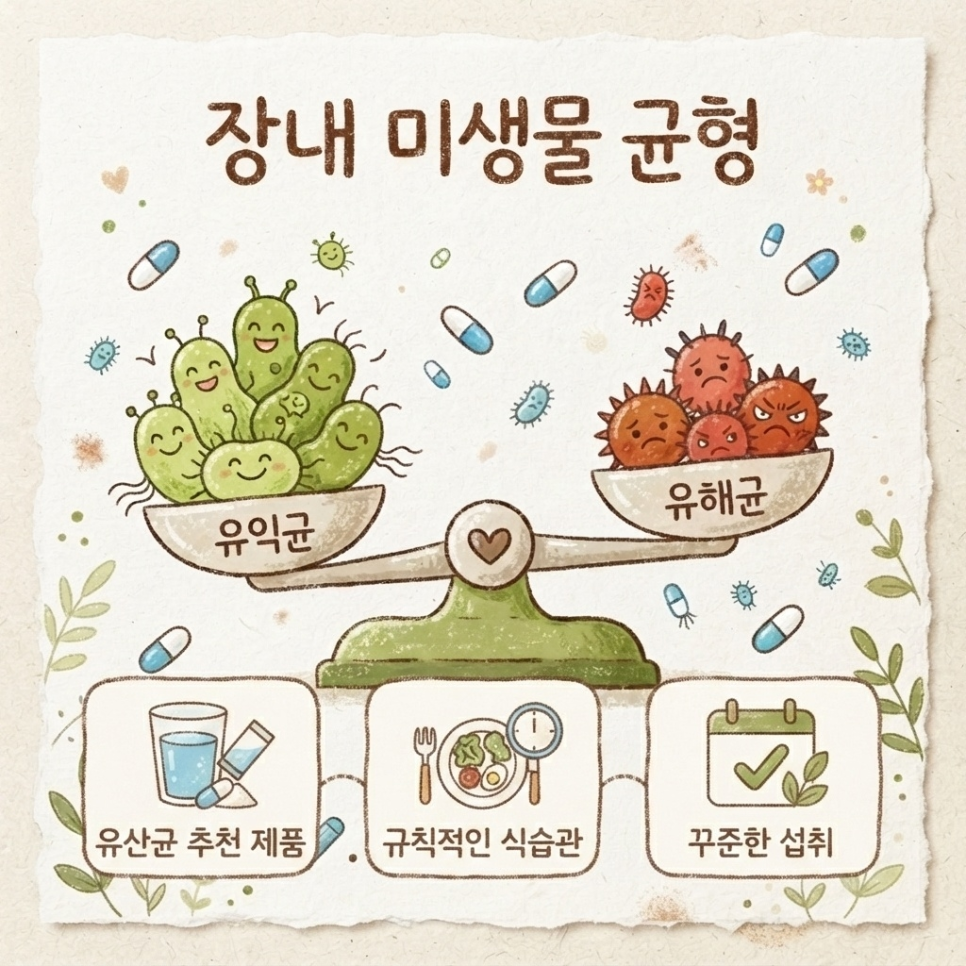
To put it simply, the more the balance between good and bad gut bacteria breaks down, the worse abdominal bloating and discomfort tend to get.
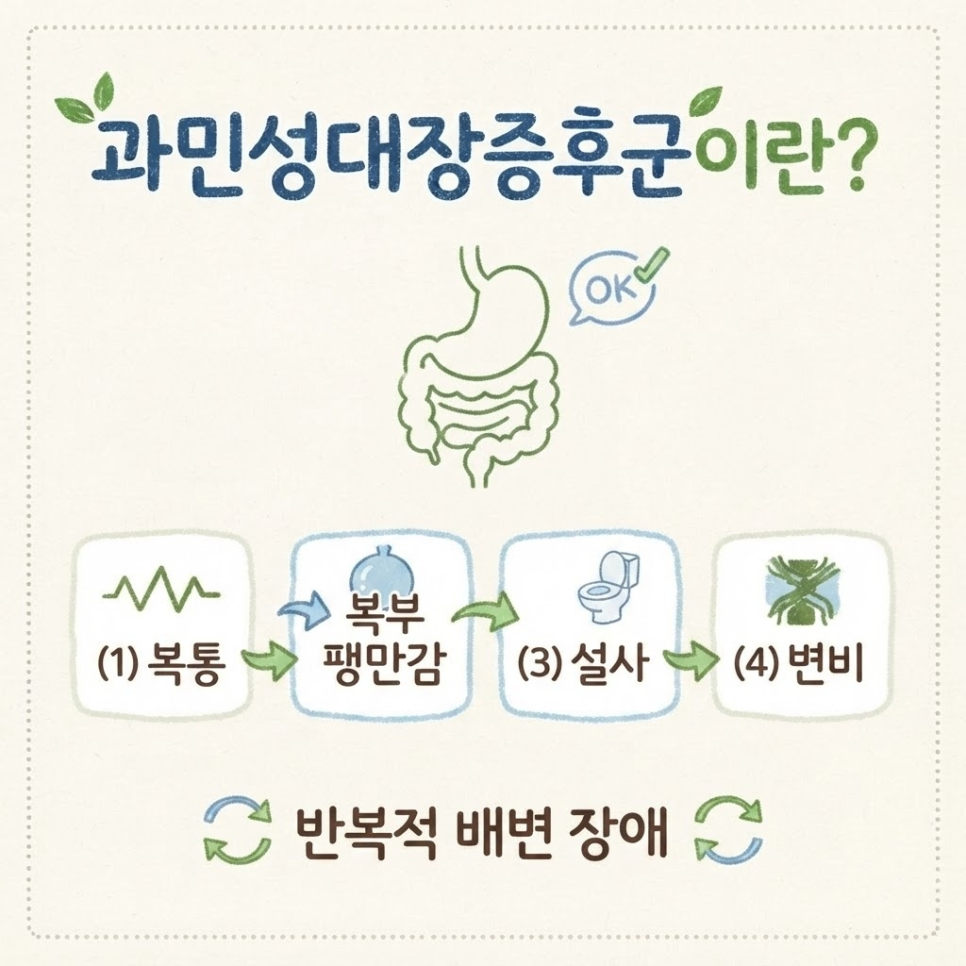
Irritable bowel syndrome (IBS) is a functional bowel disorder involving recurring abdominal pain, bloating, and irregular bowel habits like diarrhea or constipation, without any structural abnormality in the intestines.
In particular, when harmful bacteria become dominant, gas can build up more easily
and bloating symptoms may worsen.
That said,
managing your gut microbiome balance alongside regular eating habits
may help ease these symptoms.
That’s why more people are searching for recommended probiotics for IBS these days.
The key is consistently taking probiotics good for gut health alongside mindful eating habits.
✔ May help inhibit the growth of harmful bacteria and strengthen the gut barrier
✔ May support digestive enzyme secretion to help ease bloating
✔ May help keep bowel movements running smoothly

How Do Probiotic Generations Differ?
Probiotics vary in composition and mechanism depending on their generation, so it’s important to choose a product suited to your body.
Probiotics are live microorganisms that help support a healthy gut environment by increasing beneficial bacteria and suppressing harmful ones.
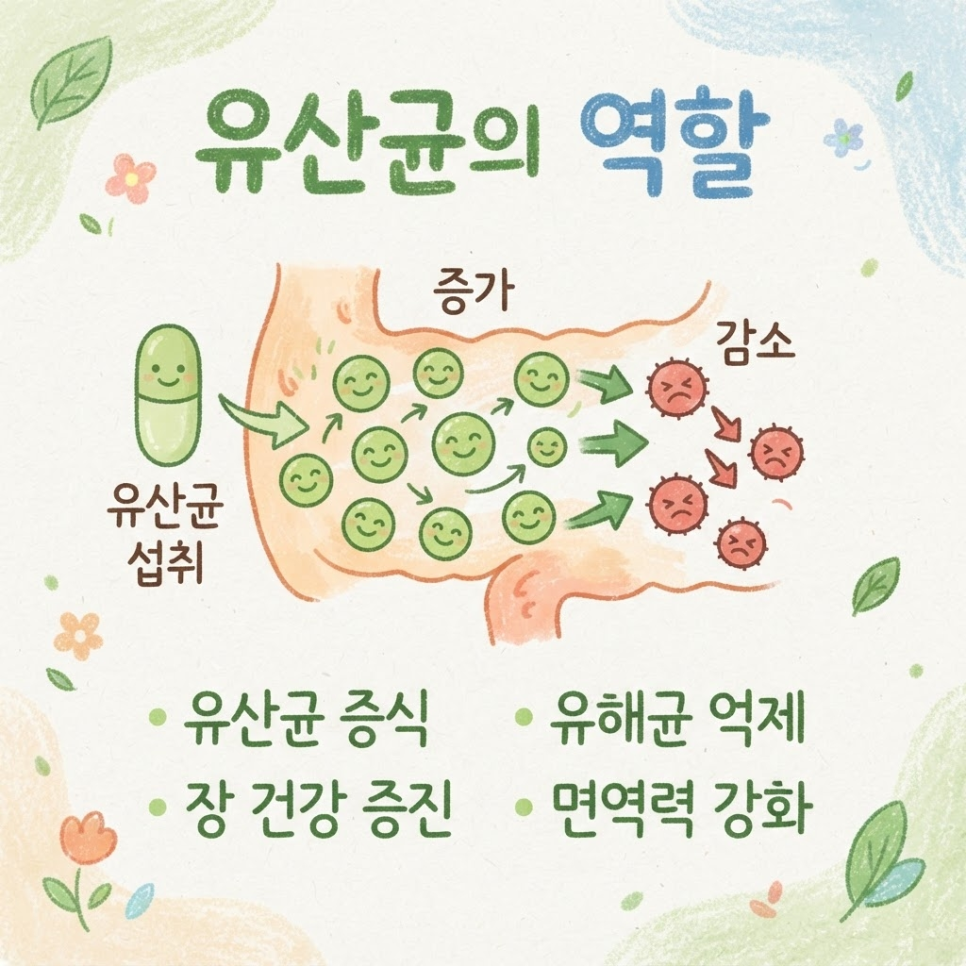
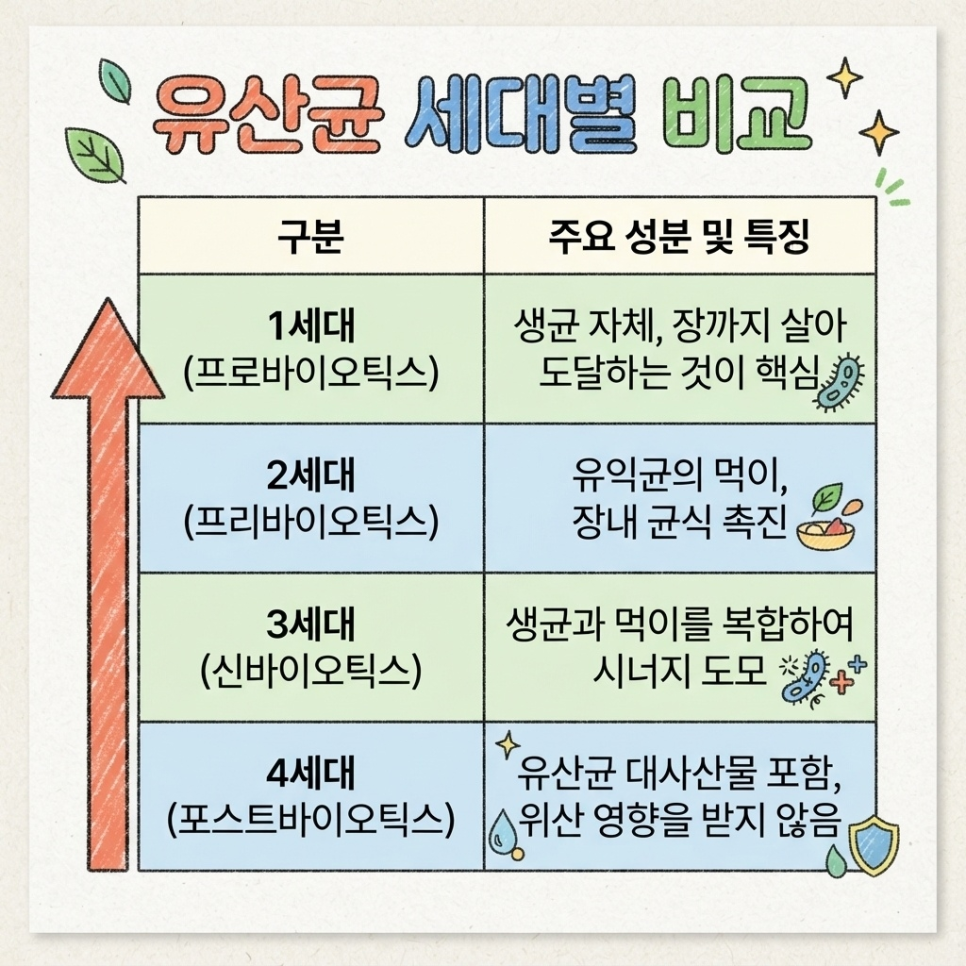
These days, probiotics range from 1st to 4th generation, each with different ingredients and characteristics.
Check the table below to find recommended probiotics for IBS that suit your gut condition.
| Generation | Key Ingredients & Characteristics |
|---|---|
| 1st Generation (Probiotics) | Live bacteria themselves; surviving the trip to the gut is key |
| 2nd Generation (Prebiotics) | Food source for beneficial bacteria; promotes gut flora growth |
| 3rd Generation (Synbiotics) | Combines live bacteria with their food source for a synergistic effect |
| 4th Generation (Postbiotics) | Contains probiotic metabolites; less affected by stomach acid |
To find probiotics good for gut health that suit your body, it’s important to carefully review the specific strains used.
Rather than just checking the guaranteed CFU count, take a look at what other ingredients are included as well.
✔ Check both the guaranteed CFU count and strain composition
✔ A higher generation doesn’t automatically mean a better product
What Should You Look for in Probiotics That Help Reduce Bloating?
If bloating relief is your goal, check the guaranteed CFU count rather than the initial inoculation count.
Guaranteed CFU count refers to the number of beneficial bacteria confirmed to survive and reach the gut through the product’s expiration date.
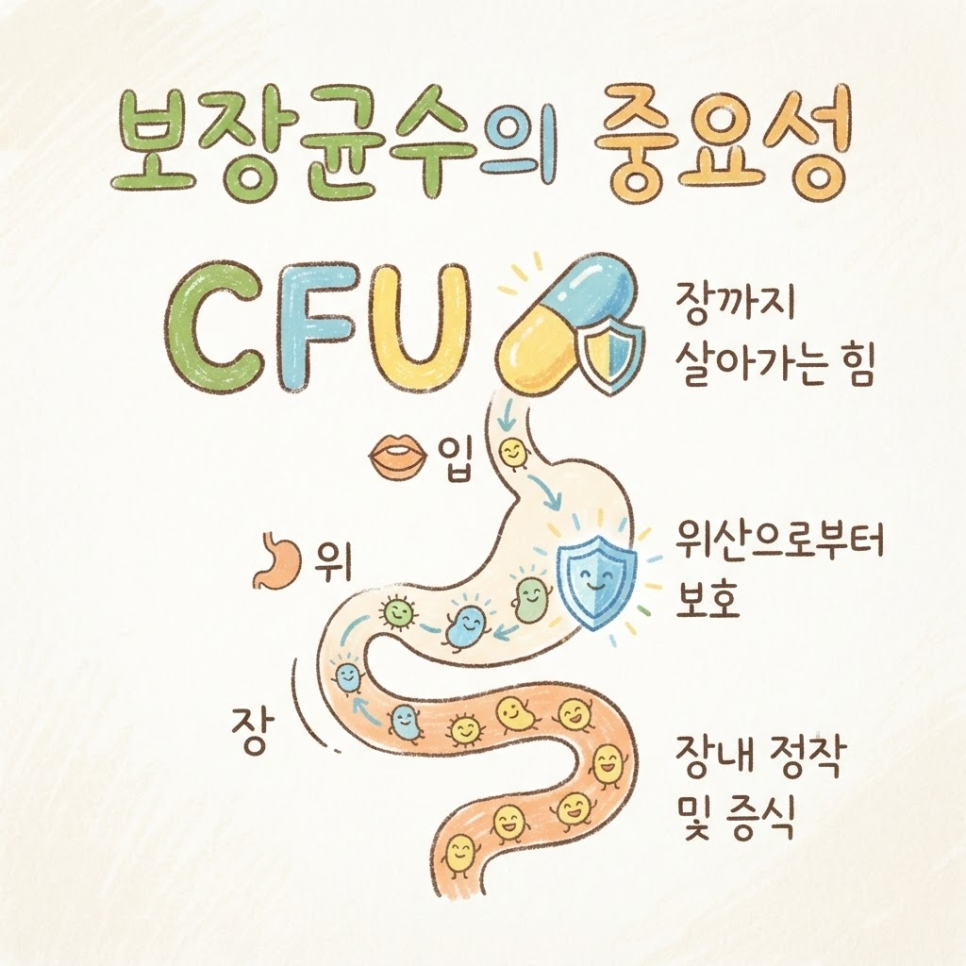
It’s also worth checking whether the product uses a coating technology
that helps it safely reach the gut, along with its overall strain composition.
In particular, products with a balanced mix of
Lactobacillus and Bifidobacterium strains may help support gut health.
In fact, according to a meta-analysis published in 2021, certain strains such as B. coagulans MTCC5260 and L. plantarum 299v showed a statistically significant reduction in abdominal pain.
That said, effects vary widely by strain, so results seen with one strain can’t be directly applied to other products.
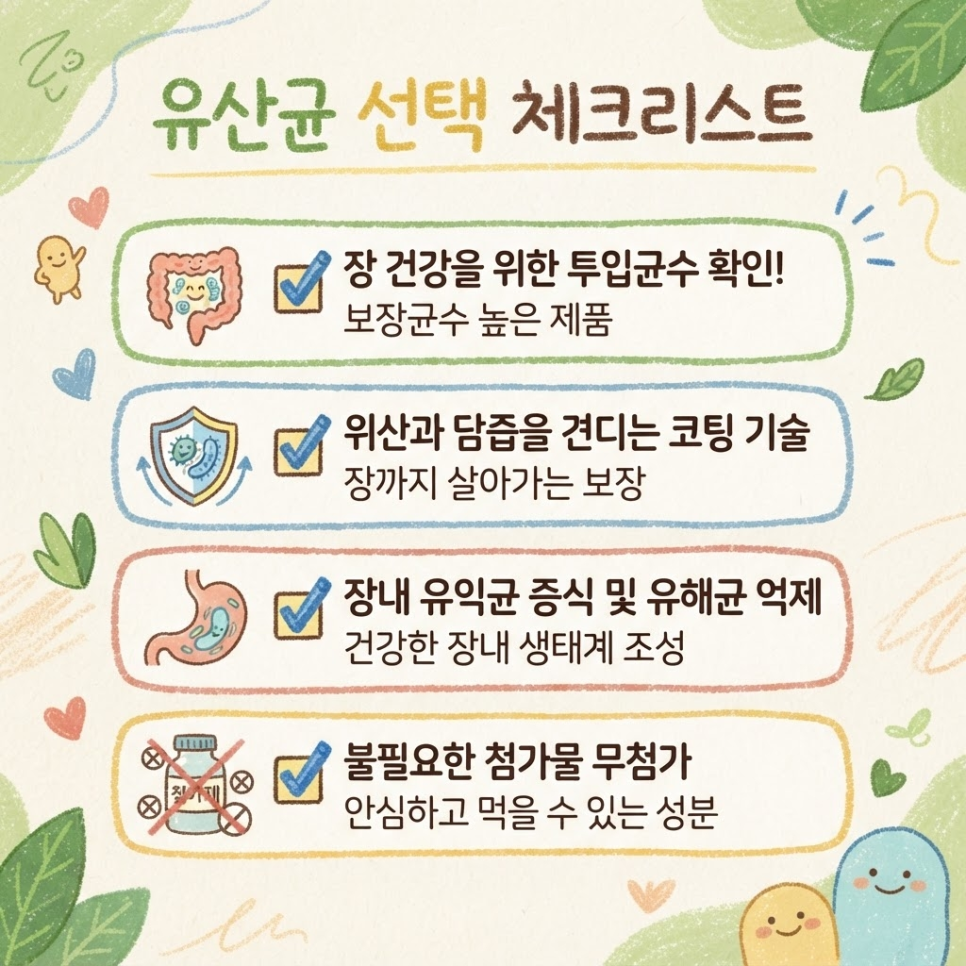
✅ Does it provide a sufficient guaranteed CFU count?
✅ Does it include a strain blend that supports both the small and large intestine?
✅ Does it use an enteric coating resistant to stomach acid and bile?
✅ Are unnecessary additives kept to a minimum?
⚠ Probiotics are not medication and do not treat or prevent disease
⚠ If symptoms worsen or persist after use, consult a healthcare professional
How Are Postbiotics Different from Probiotics?
Postbiotics are more resistant to stomach acid and heat, which may allow them to reach the gut more reliably than live bacteria.
Postbiotics refer to the beneficial metabolic byproducts created by probiotics.

In 2021, the International Scientific Association for Probiotics and Prebiotics (ISAPP)
defined postbiotics as “a preparation of inanimate microorganisms and/or their components that confers a health benefit on the host.”
That said,
unlike traditional live probiotics, postbiotics are less affected by heat and stomach acid,
giving them the advantage of acting more consistently once they reach the gut.
Thanks to these traits, postbiotics are gaining attention as a recommended ingredient in probiotics for IBS.
If you deal with recurring gut issues, it may be worth looking into products that contain postbiotics as well.
When I compared ingredient labels myself, I noticed a clear rise in the number of products containing postbiotics.
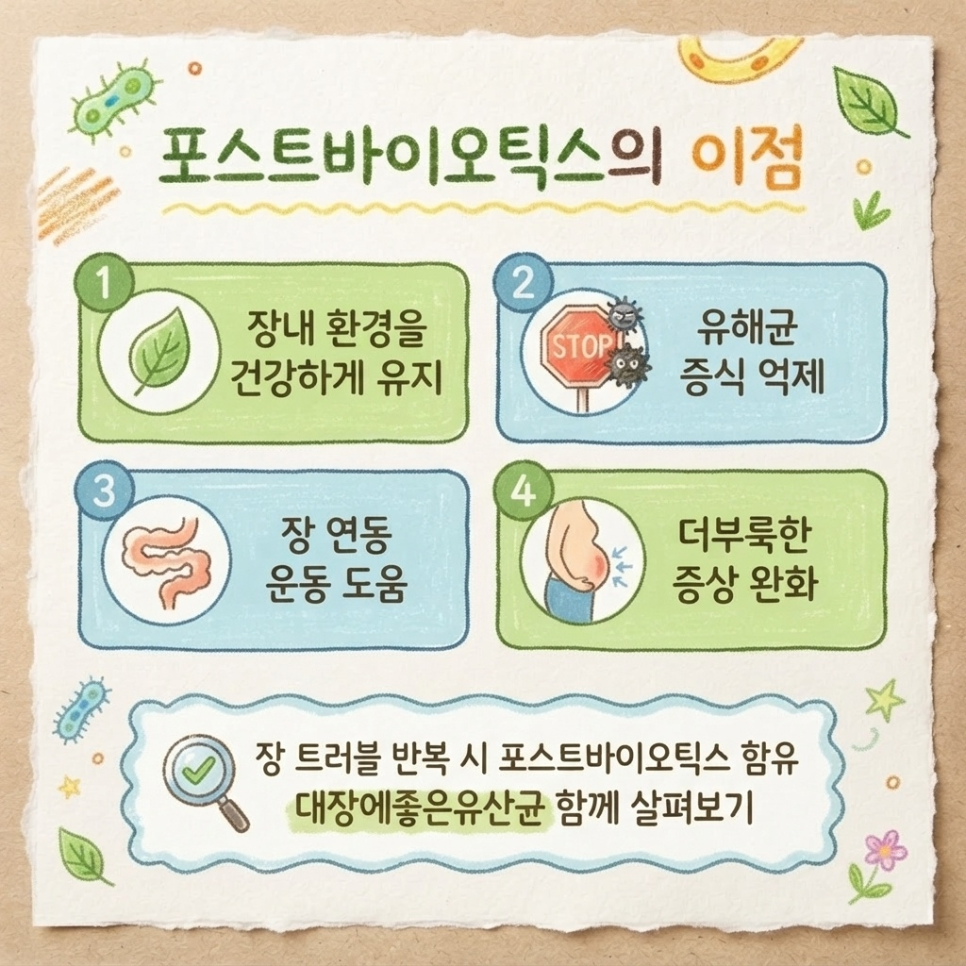
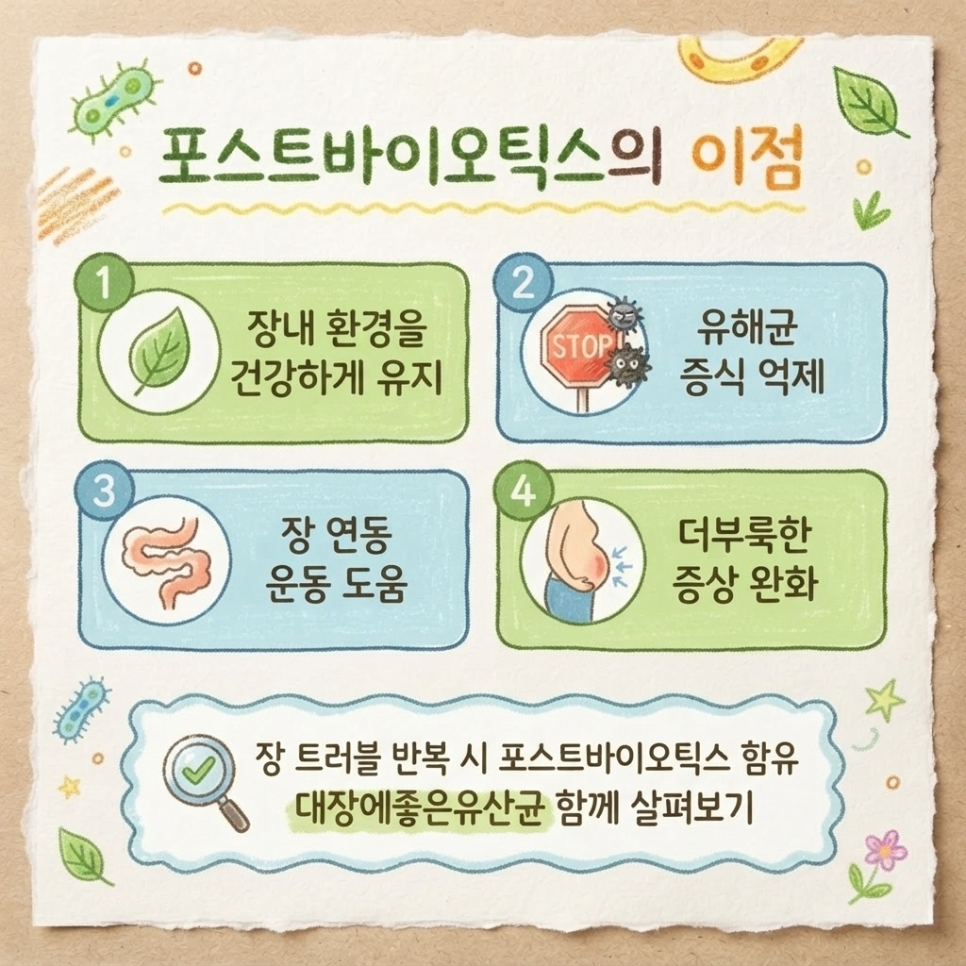
✔ Resistant to heat and stomach acid, offering more stable delivery to the gut
✔ May support gut lining adhesion, contributing to a stronger gut barrier
✔ May help suppress harmful bacteria and improve the overall gut environment
If you’d like to check ingredient labels and strain information before choosing a product, feel free to check out the Kookmin Bio homepage for more details.
Frequently Asked Questions

1. When is the best time to take probiotics?
To minimize the effects of stomach acid, it’s recommended to take them on an empty stomach in the morning with plenty of water, or consistently at the same time after meals.
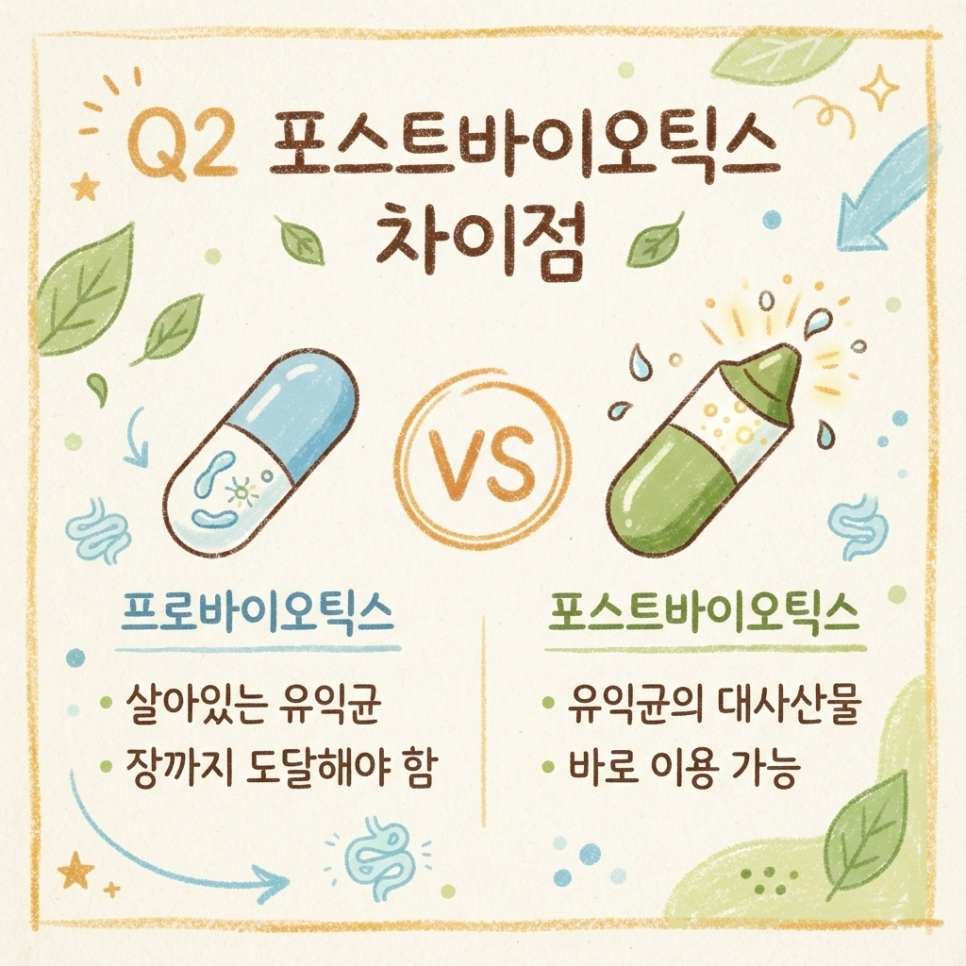
2. How are postbiotics different from traditional probiotics?
Since postbiotics already contain the metabolites produced by probiotics, they aren’t broken down by stomach acid and tend to act relatively quickly once in the gut.
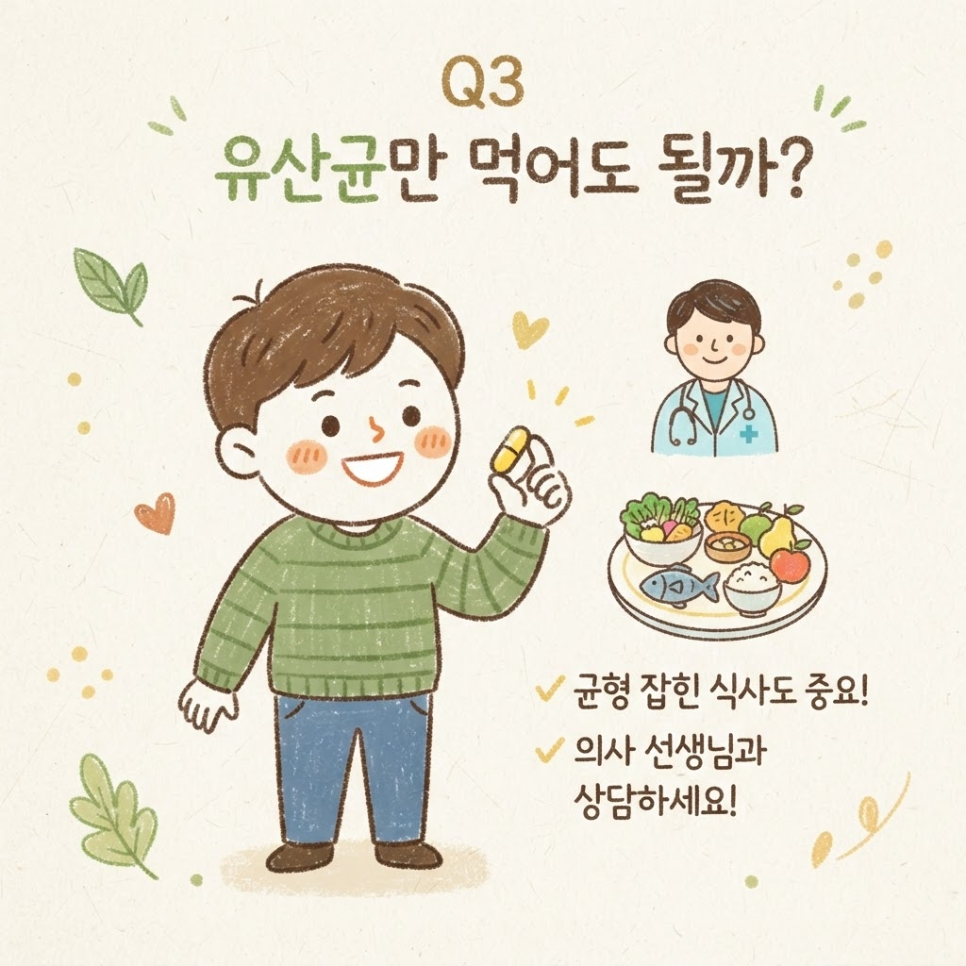
3. If I have IBS symptoms, is it enough to just take probiotics?
Probiotics play a supportive role in improving the gut environment, so if symptoms are severe, they should be combined with medical consultation and improved eating habits.
4. What if I feel more gas after taking probiotics?
Some temporary gas can occur as your gut microbiome adjusts, but if the discomfort persists, it’s best to reduce your dose or try a different strain.
References
· McFarland LV, Karakan T, Karatas A., “Strain-specific and outcome-specific efficacy of probiotics for the treatment of irritable bowel syndrome: A systematic review and meta-analysis,” eClinicalMedicine, 2021. View source
· Foodicon (foodicon.co.kr), “[Close-Up] What Are 4th-Generation Probiotics, ‘Postbiotics’? ① Defining the Term,” June 3, 2021. View source
This article is intended for general health information purposes only and is not a substitute for individual diagnosis or treatment.
If you have a health concern, please consult a medical professional.